Stablecoins Were Meant to Disrupt Finance. Instead, They Became Idle Cash.

In a recent analysis, O’Connor discusses the paradox of stablecoins, which were originally designed to disrupt traditional finance but have instead become a form of idle cash. While stablecoins have successfully scaled as a medium of exchange, allowing for seamless transactions within the crypto ecosystem, they have not fulfilled the role of capital–funds that stimulate economic activity and investment. O’Connor’s insights highlight a growing concern among industry experts regarding the real-world utility of stablecoins beyond mere price stability.
To understand this situation, we must look back at the origins of stablecoins. Launched during a time when high volatility in cryptocurrency prices posed significant challenges for merchants and consumers, stablecoins were created to provide an alternative. They were intended to bridge the gap between traditional finance and the crypto world, acting as a stable store of value while facilitating transactions. However, as the market matured, many stablecoins found themselves hoarding liquidity rather than driving innovation or investment in new projects.
This development raises critical questions about the future of stablecoins and their role in the broader financial landscape. The fact that stablecoins are being held as cash rather than being deployed for productive purposes may indicate a lack of confidence in the market or a shift in investor priorities. As a result, the potential for stablecoins to enable decentralized finance (DeFi) initiatives and drive economic growth is being stymied, leading to a stagnation that could ultimately hinder the overall progress of the crypto sector.
Industry reactions to O’Connor's evaluation have been mixed. Some experts agree that stablecoins have not lived up to their transformative potential, emphasizing the need for innovation in the way they are utilized. Others argue that the current state of stablecoins is a natural part of their evolution, suggesting that as the market matures, new use cases will emerge, allowing stablecoins to fulfill their intended purpose. This ongoing debate reflects the broader uncertainty surrounding the future of cryptocurrencies in a rapidly changing financial environment.
Looking ahead, it remains to be seen how stablecoins will adapt and evolve in response to these challenges. As the crypto market continues to develop, there is potential for new regulatory frameworks and technological advancements to reshape the role of stablecoins. The focus may shift back toward fostering investment and economic activity, rather than merely serving as a safe haven for idle cash. As stakeholders in the crypto ecosystem reflect on these developments, we can anticipate a period of experimentation and growth that could redefine the future trajectory of stablecoins.

CoinMagnetic Team
Crypto investors since 2017. We trade with our own money and test every exchange ourselves.
Updated: June 2026
From our insights:
Related news
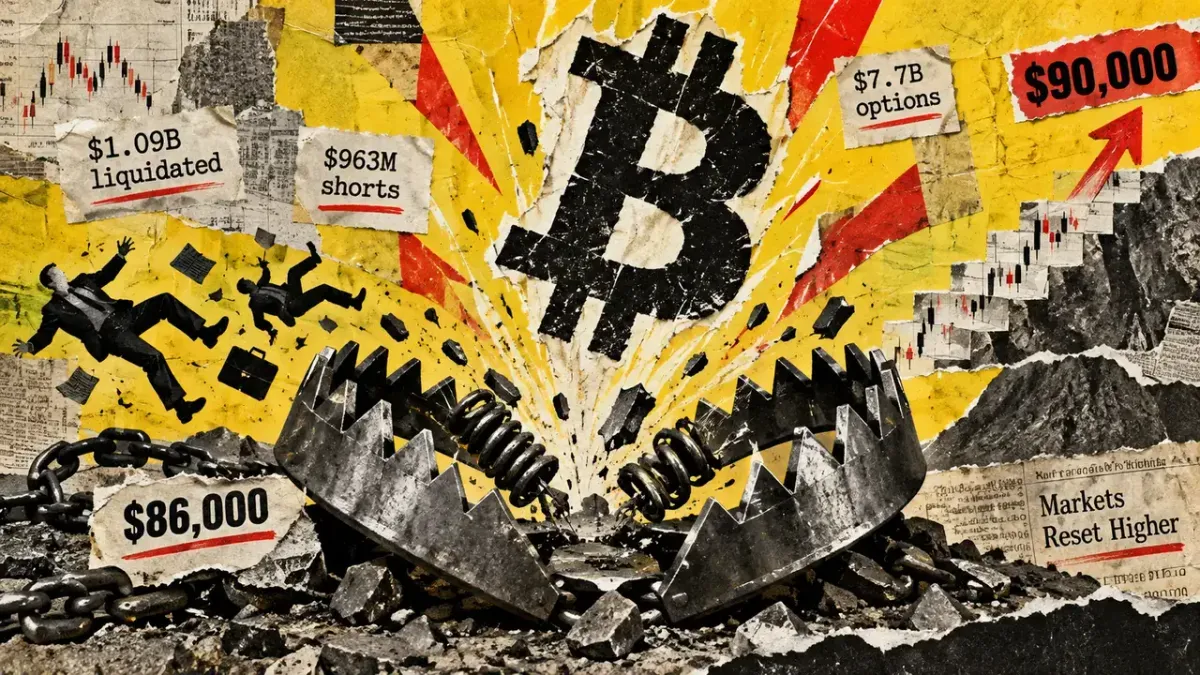
Bitcoin surges past $86,000 as $1 billion in shorts are liquidated, eyes on $90,000
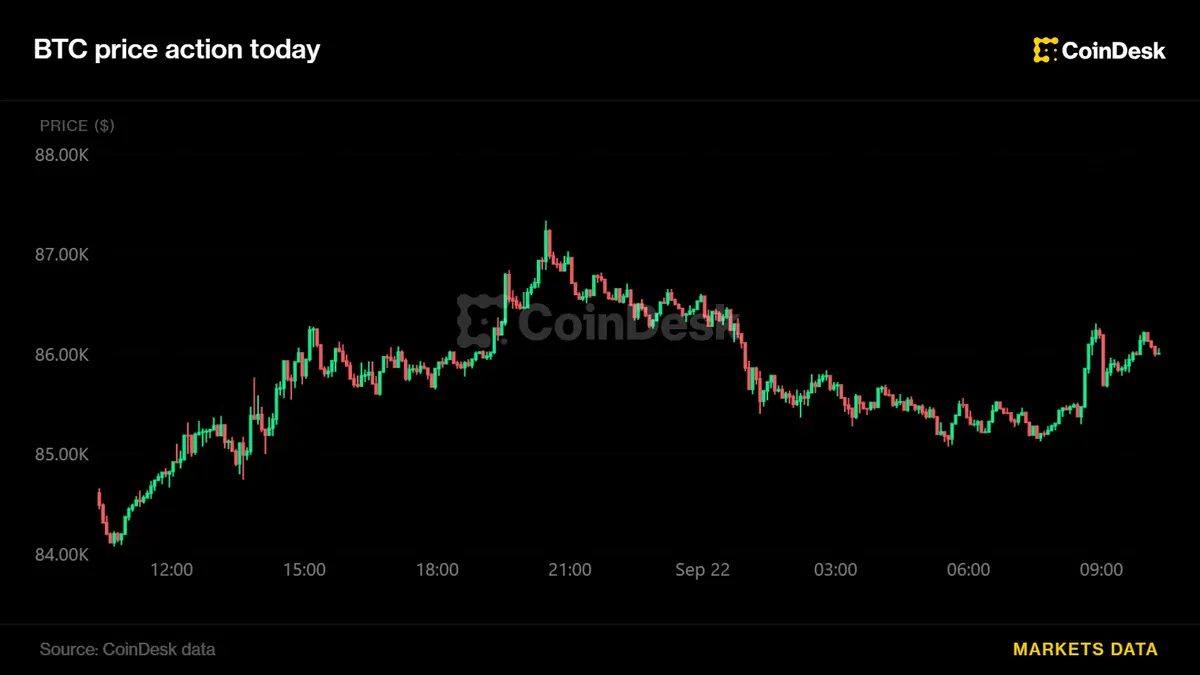
Bitcoin bounces back to $86,000 as oil prices decline and stocks rise

Prediction markets projected to reach $10 trillion by 2035, surpassing sports
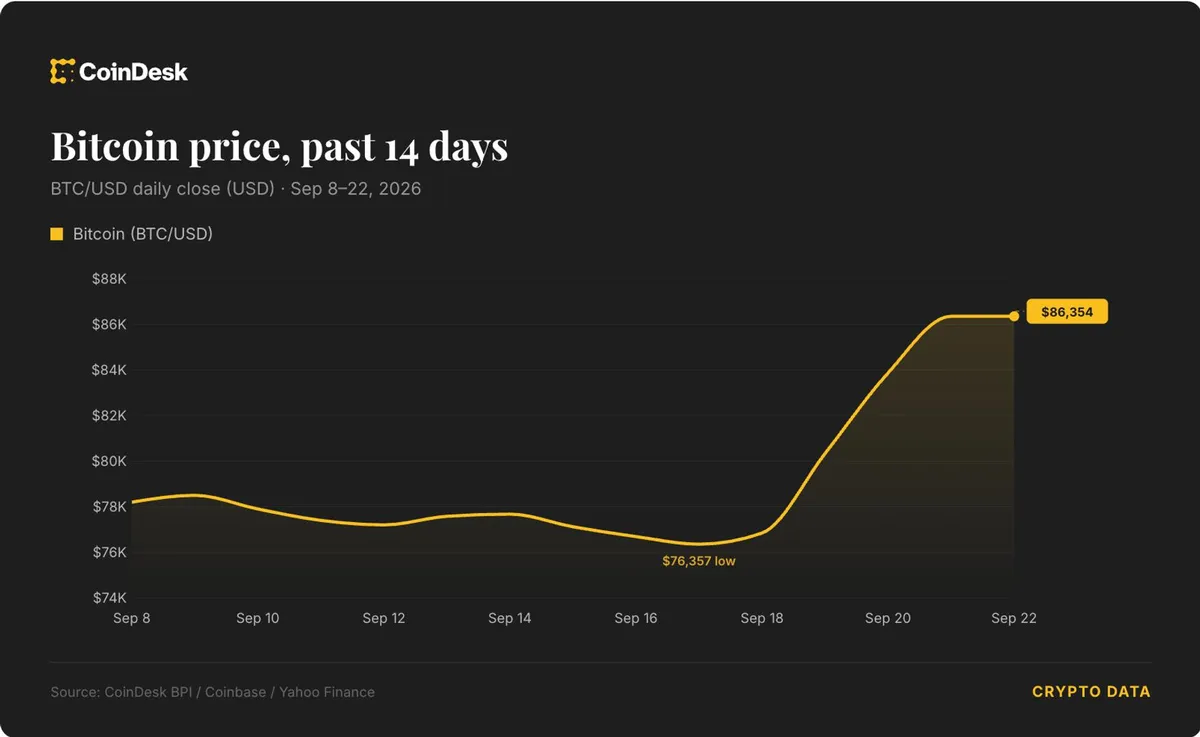
Iran hints at reopening Strait of Hormuz, WTI oil drops to $89

New altseason signal emerges as Bitcoin market cap stays under 60%