Stablecoins retain the edge over tokenized money market funds, JPMorgan says

In a recent analysis, JPMorgan has highlighted the dominance of stablecoins over tokenized money market funds, revealing that the latter only represent around 5% of the overall stablecoin ecosystem. Despite the attractive yields offered by tokenized money market funds, they have struggled to gain traction in the market. This observation underscores the resilience of stablecoins, which continue to be the preferred choice for many investors and users in the cryptocurrency landscape. The bank's findings point to an ongoing trend where stablecoins maintain their stronghold, bolstered by their established use cases and broader acceptance across various platforms.
To understand this phenomenon, it is essential to consider the historical context of stablecoins. Since their inception, these digital assets have been designed to maintain a stable value, typically pegged to fiat currencies like the US dollar. This stability has made them a go-to solution for transactions, remittances, and as a safe haven during market volatility. In contrast, tokenized money market funds have emerged more recently and, while they offer competitive yields, they lack the same level of familiarity and trust that established stablecoins have built over the years. This legacy aspect plays a significant role in user preference and adoption rates.
The implications of JPMorgan's findings are noteworthy for the broader cryptocurrency market. The continued dominance of stablecoins suggests that they will remain a critical component of the digital finance ecosystem. As these assets facilitate a range of activities–from trading and lending to remittances–their prevalence could influence liquidity and overall market dynamics. Moreover, the limited uptake of tokenized money market funds may signal challenges for their future growth, raising questions about their viability in an increasingly competitive landscape.
Industry experts have weighed in on JPMorgan’s analysis, emphasizing the need for innovation in the tokenized money market fund space. Many agree that while these products offer enticing yields, they must enhance their value proposition to attract a larger user base. Some experts suggest that improved regulatory clarity, coupled with better integration into existing financial systems, could help boost adoption. Others argue that educating potential investors about the benefits and workings of tokenized funds will be crucial in bridging the gap between traditional finance and the burgeoning world of digital assets.
Looking ahead, the cryptocurrency market may witness a shift as both stablecoins and tokenized money market funds evolve. The former will likely continue to innovate and adapt to user needs, while the latter may find new strategies to increase their market share. As the digital finance landscape matures, the interplay between these two asset classes will be essential in shaping the future of financial transactions and investment opportunities. The evolution of user preferences, regulatory developments, and technological advancements will dictate how these products coexist and compete in the coming years.

CoinMagnetic Team
Crypto investors since 2017. We trade with our own money and test every exchange ourselves.
Updated: May 2026
From our insights:
Related news
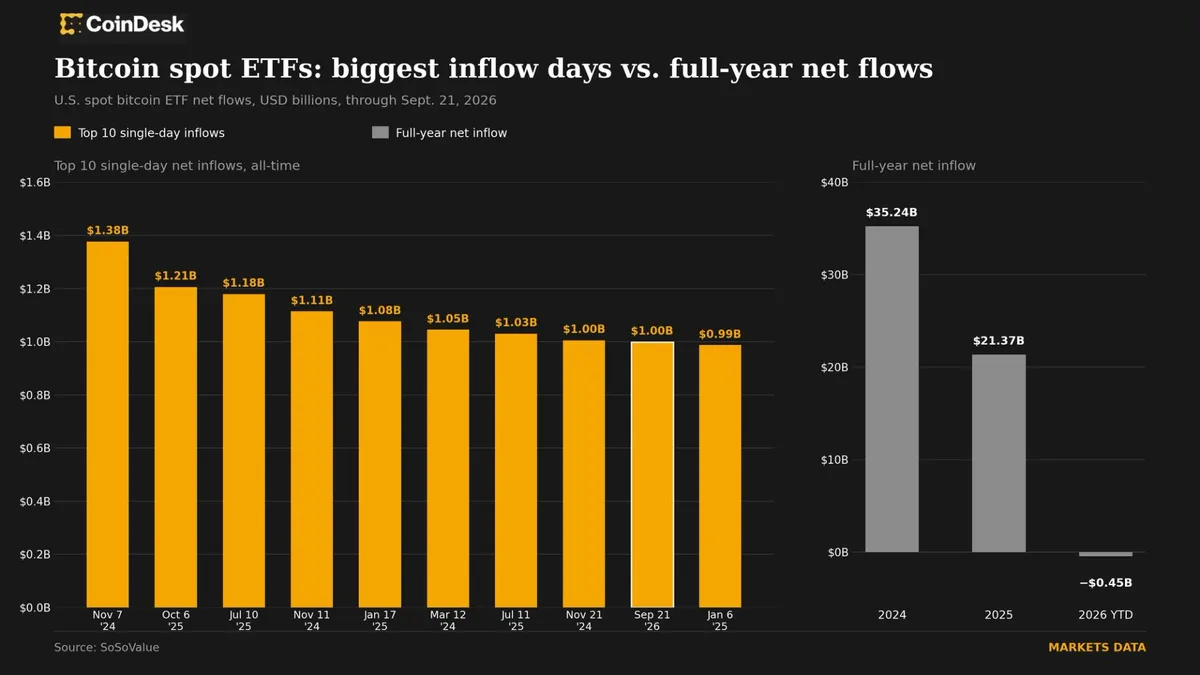
Spot bitcoin ETFs see nearly $1 billion inflow as bitcoin hits January highs
US spot Bitcoin ETFs see nearly $1 billion inflow, highest since October 2025

Bitcoin's rise to $86,000 restores profitability for ETF investors
Apple and Google seek crypto experts, signaling potential stablecoin initiatives

ECB initiates bond purchases using its own funds in crypto-linked system