Stablecoins are becoming a central bank problem hiding in T-bill markets

Recent research from the Bank for International Settlements (BIS) has shed light on the increasing integration of stablecoins into sovereign funding markets, particularly through their influence on Treasury bill (T-bill) markets. This development raises critical questions about the role of private dollar tokens in the broader financial system, challenging the conventional view that these digital assets primarily function as payment rails. As stablecoins gain traction among investors and financial institutions, their presence in T-bill markets could have significant implications for monetary policy and financial stability.
To understand the context, it is essential to recognize the rapid growth of stablecoins over the past few years. Initially designed to provide a stable medium of exchange in the volatile world of cryptocurrency, these digital currencies have evolved into instruments that can influence traditional financial markets. The BIS report indicates that stablecoins are not merely acting as payment solutions but are increasingly being integrated into the fabric of government financing. This shift suggests that central banks may need to reconsider their approach to monetary policy and financial regulation in light of these developments.
The implications for the market are profound. As stablecoins become more interwoven with sovereign debt markets, there is a risk that they could impact liquidity and interest rates in ways that central banks may not fully control. If investors start treating stablecoins as alternatives to traditional government securities, it could lead to a significant reallocation of capital, with potential consequences for market stability. Moreover, as these digital assets proliferate, central banks might face challenges in implementing effective monetary policy, particularly in times of economic stress.
Industry reactions to the BIS findings have been mixed, with some experts expressing concern about the regulatory challenges posed by the growing presence of stablecoins in T-bill markets. Analysts warn that a lack of oversight could lead to increased volatility and risks, particularly if these assets are not adequately backed by reserves. Others, however, see this trend as an opportunity for innovation in the financial sector, suggesting that stablecoins could enhance the efficiency of capital markets if properly regulated. The consensus appears to be that a balanced approach will be necessary to harness the potential benefits while mitigating risks.
Looking ahead, it is crucial for central banks and regulators to closely monitor the developments surrounding stablecoins and their interactions with traditional financial systems. As these digital tokens continue to evolve, there may be calls for clearer regulatory frameworks that can address the unique challenges they pose. The ongoing dialogue among policymakers, industry participants, and academics will likely shape the future landscape of stablecoins and their role in the economy, making it a critical area to watch in the coming months.

CoinMagnetic Team
Crypto investors since 2017. We trade with our own money and test every exchange ourselves.
Updated: June 2026
From our insights:
Related news
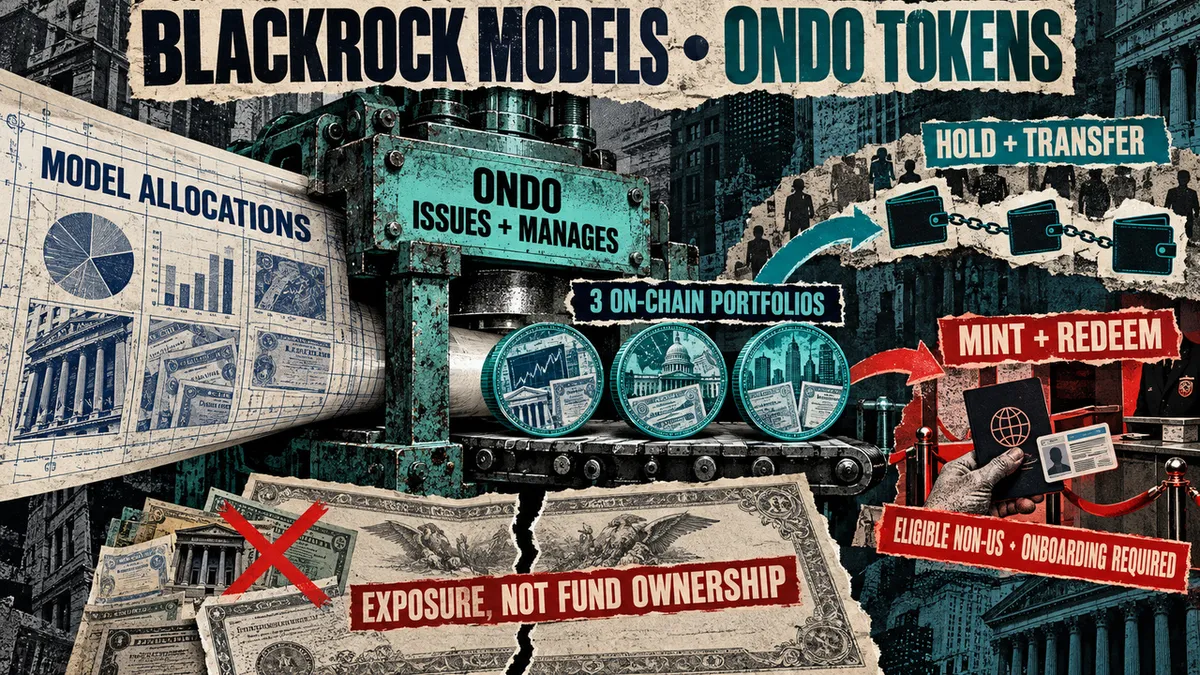
Non-US traders gain access to BlackRock strategies via Ondo
Lightning Labs bug could mislabel canceled invoices as paid, risking losses
Federal Reserve proposes full backing for stablecoins under GENIUS Act rules

Bitget reports $351 million security breach, halts withdrawals temporarily

CFTC promotes regulatory clarity for tokenized assets after CLARITY Act vote fails