Stablecoins and Cross-Border Payments: How Digital Dollars Move Across Borders

Stablecoins are increasingly becoming a vital component in the landscape of cross-border payments, offering a seamless alternative to traditional banking methods. These digital currencies are pegged to stable assets, typically the U.S. dollar, which helps maintain their value. The process of transferring stablecoins is markedly different from conventional methods–individuals convert their local currency into stablecoins and send them to a recipient’s blockchain address using a blockchain network. This method not only reduces the transaction time but also minimizes costs associated with currency conversion and international transfers.
To understand the significance of stablecoins in cross-border payments, it is essential to consider the historical context. Traditional banking systems have long been plagued by inefficiencies, high fees, and lengthy transaction times, particularly for international transfers. The emergence of cryptocurrencies, particularly stablecoins, has provided a solution to these challenges. By leveraging blockchain technology, stablecoins enable instantaneous transactions, eliminating the need for intermediaries. This innovation is particularly beneficial for individuals and businesses in regions with limited access to banking services or where local currencies are volatile.
The implications of stablecoins for the market are profound. As more individuals and businesses recognize the advantages of using stablecoins for cross-border transactions, we are likely to see a shift in how money is moved globally. This shift could lead to increased adoption of digital currencies by consumers and businesses alike, potentially disrupting traditional banking models. Furthermore, stablecoins can enhance financial inclusion, providing unbanked populations with access to digital financial services and cross-border trade opportunities.
Industry experts have weighed in on this trend, noting the potential for stablecoins to reshape payment systems. Some argue that the use of stablecoins can significantly reduce transaction costs and processing times, making international commerce more accessible. However, there are also concerns regarding regulatory oversight and the need for a robust framework to ensure consumer protection and prevent illicit activities. Experts highlight the importance of collaboration between traditional financial institutions and the emerging crypto sector to create a balanced and secure ecosystem.
Looking ahead, the future of stablecoins in cross-border payments appears promising, yet complex. As regulations evolve and the technology behind stablecoins matures, we can expect to see increased integration of these digital currencies into existing financial systems. The ongoing dialogue among stakeholders will be crucial in determining how stablecoins can be effectively utilized while addressing the associated risks. The path forward will undoubtedly involve both innovation and caution as the industry navigates this new frontier.

CoinMagnetic Team
Crypto investors since 2017. We trade with our own money and test every exchange ourselves.
Updated: July 2026
From our insights:
Related news

Republicans present revised 635-page CLARITY Act to Democrats ahead of vote

Senate vote brings clarity to crypto as AI fears trigger slowdown
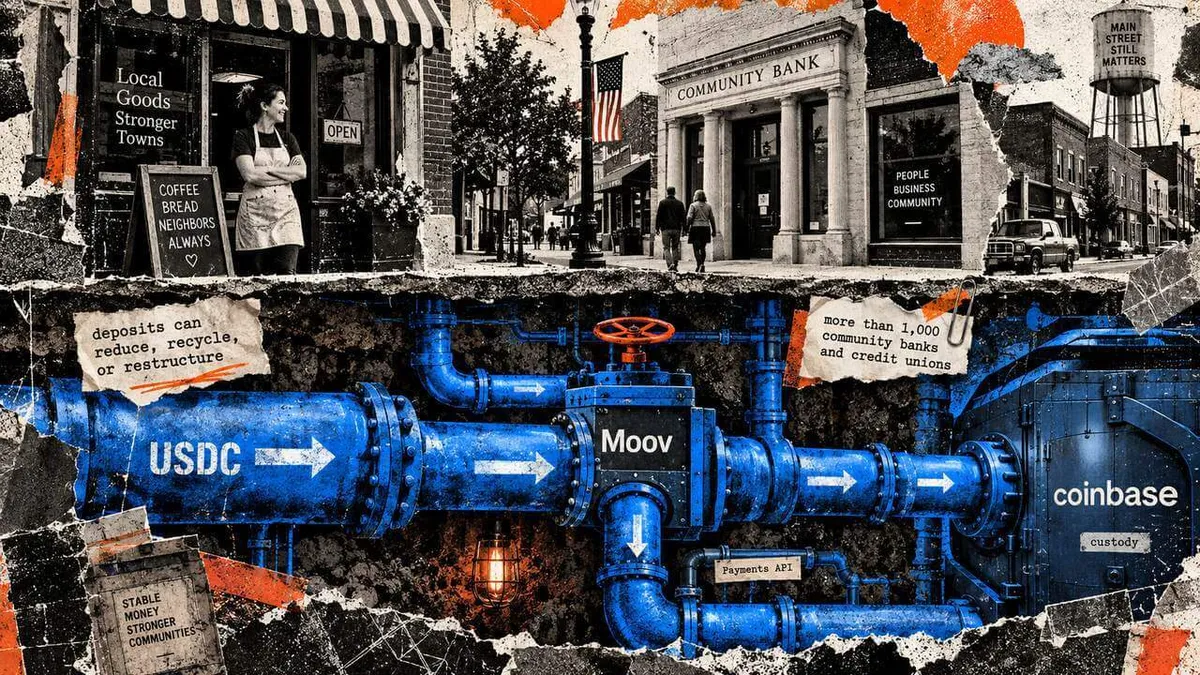
Coinbase enables community banks to leverage stablecoins with new infrastructure

Bitcoin Lightning Network vulnerabilities risk fund theft and node failures
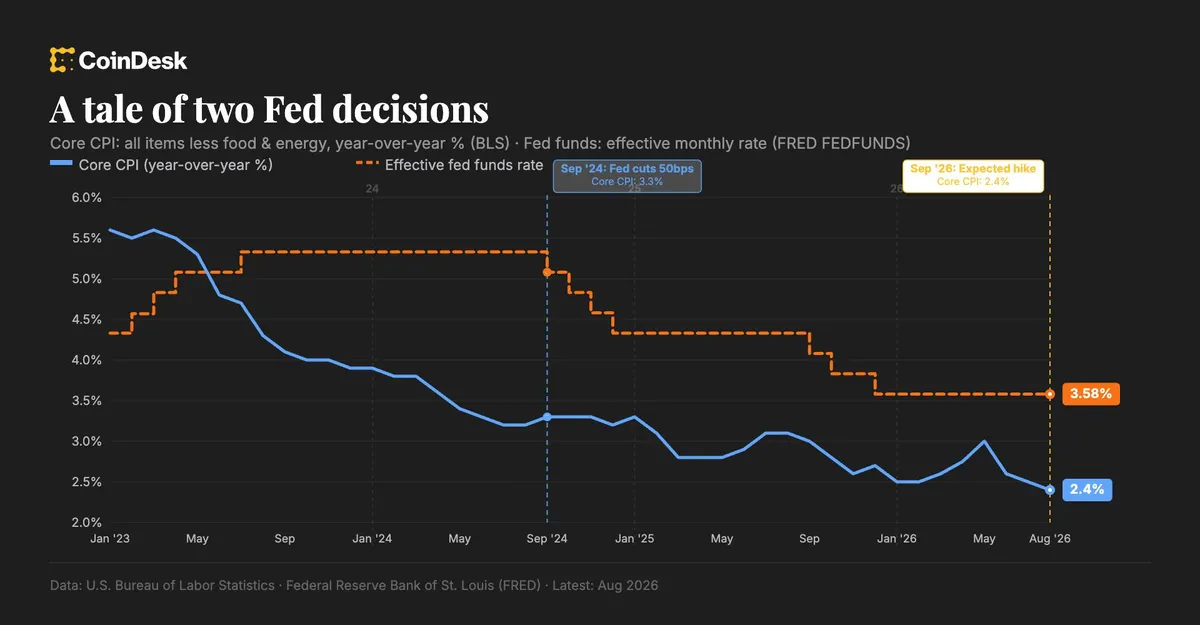
Goldman Sachs joins others retracting no rate hike forecast ahead of Fed decision