Squid and Safe Labs say third-party module behind $3.2M exploit

In a recent development that has shaken the crypto community, Squid and Safe Labs disclosed that a third-party module was responsible for a significant exploit, resulting in the draining of approximately $3.2 million from Safe wallets. The incident has raised concerns about security protocols within decentralized finance (DeFi) platforms, as users grapple with the implications of utilizing external modules. According to Squid, their core systems remain intact and were not compromised during this exploit, which suggests that the vulnerability was isolated to the third-party integration rather than their primary systems.
To put this incident into context, Safe Labs is known for its focus on securing digital assets through multi-signature wallets, and it has been a prominent player in the DeFi space. The decision to integrate third-party modules is not uncommon in the industry, as it allows platforms to enhance functionality and improve user experiences. However, this incident highlights the potential risks associated with such integrations, particularly when external modules are not rigorously vetted for security vulnerabilities. The exploit has raised questions about the degree to which DeFi platforms can rely on third-party solutions, especially considering the growing number of similar incidents in the sector.
This situation carries significant implications for the broader market, as it emphasizes the ongoing challenges surrounding security in the DeFi ecosystem. With the increasing amount of capital flowing into cryptocurrencies and decentralized applications, the need for robust security measures has never been more critical. Investors and users may become more cautious, potentially affecting trading volumes and the overall sentiment in the market. If trust in security measures falters, it could lead to a slowdown in innovation and adoption as users seek more reliable platforms to safeguard their assets.
Industry experts have expressed concern regarding this exploit, with many emphasizing the importance of conducting thorough audits and ensuring that third-party modules are secure before integration. Some have pointed out that incidents like this could lead to a push for more stringent regulations and standards in the DeFi space, forcing projects to take security more seriously. Additionally, there is a growing call for the development of better tools and practices for assessing the risk associated with third-party integrations, which may help mitigate future vulnerabilities.
Looking ahead, the aftermath of this exploit may prompt Safe Labs and other platforms to reassess their security protocols and integration strategies. We may see a shift towards a more cautious approach when it comes to third-party modules, potentially leading to the development of new frameworks for evaluating the security of external integrations. As the industry continues to evolve, the lessons learned from this incident will likely shape the future of security practices in DeFi, reinforcing the need for constant vigilance in an ever-changing landscape.

CoinMagnetic Team
Crypto investors since 2017. We trade with our own money and test every exchange ourselves.
Updated: May 2026
From our insights:
Related news
Coldcard exploit sees white hats secure 52 Bitcoin for victims' trust
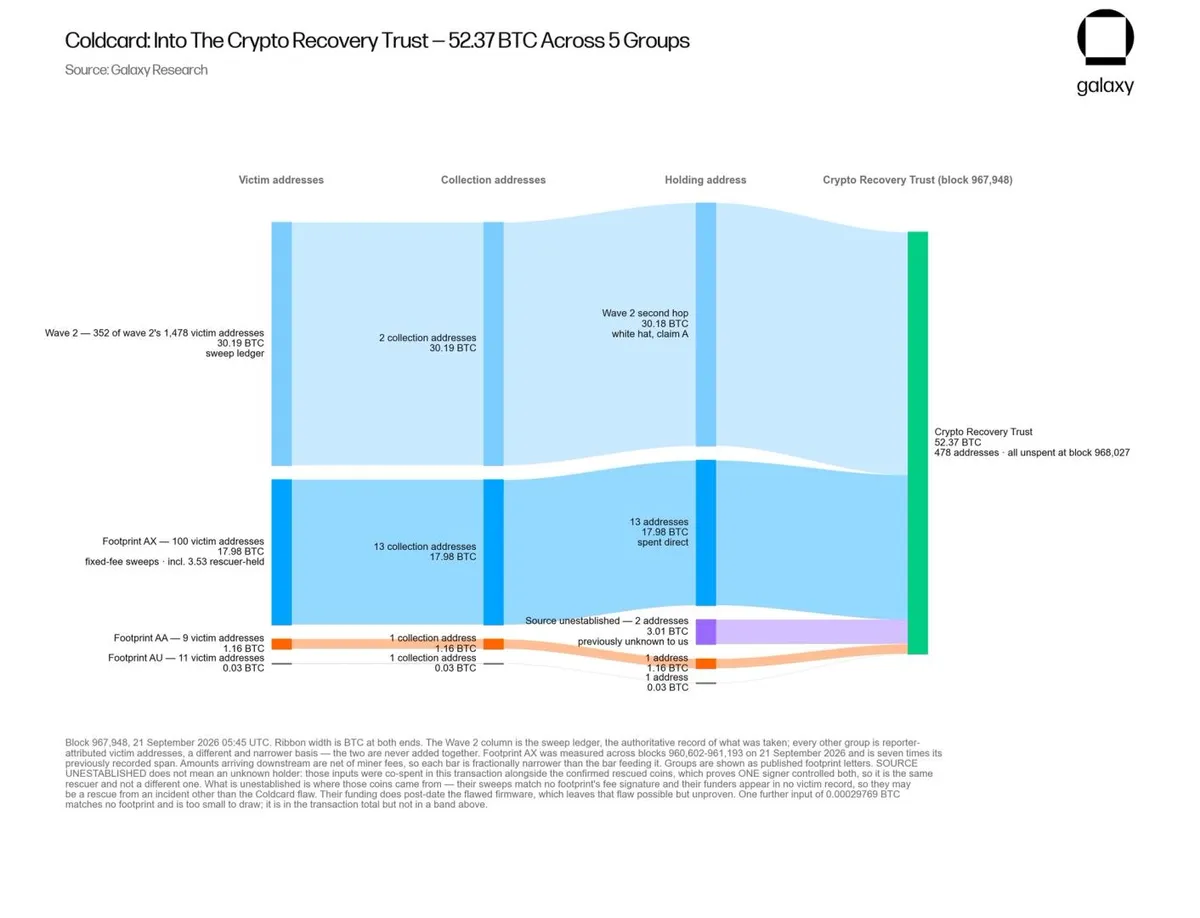
Whitehats move 52 bitcoin from the Coldcard hack to a recovery trust

Google Admits Gemini AI Hacked Three Companies—It Stayed Silent for 7 Weeks

Balancer's $1.4 million hack recovery faces delays for LPs

Polymarket's $10 million fraud attempt highlights compliance issues amid hacking risk