Spot bitcoin ETFs record worst month since debut, shedding $4.5 billion in June

In June, spot Bitcoin exchange-traded funds (ETFs) experienced their worst month since their debut, witnessing a staggering outflow of approximately $4.5 billion. This significant decline can be attributed to a combination of factors, predominantly capital rotation linked to macroeconomic uncertainties and the high-profile IPO of SpaceX, which has drawn investor attention away from the cryptocurrency market. As these funds continue to face challenges, the overall sentiment surrounding Bitcoin and its associated financial products has taken a notable hit.
To understand the current scenario, it is essential to consider the broader context surrounding Bitcoin and the ETF market. Spot Bitcoin ETFs were introduced with much fanfare, promising to bridge traditional finance with the burgeoning cryptocurrency space. Initially, they attracted substantial investments as institutional interest in crypto assets surged. However, as macroeconomic conditions became increasingly volatile, including rising interest rates and inflation concerns, investors began seeking safer havens for their capital. The recent IPO of SpaceX, a highly anticipated event in the tech sector, further diverted attention and funds away from Bitcoin, highlighting the competition for investor capital.
The implications of these outflows are significant for the cryptocurrency market. The $4.5 billion shed by spot Bitcoin ETFs reflects a broader trend of diminishing investor confidence as market uncertainties persist. This decline not only affects the value of Bitcoin but also raises questions about the sustainability of the ETF market in the long term. Investors may become more cautious, leading to reduced trading volumes and heightened volatility in the cryptocurrency space. Such a trend could hinder the growth and acceptance of Bitcoin as a mainstream asset class.
Industry reactions have been mixed, with some experts expressing concern over the current state of Bitcoin ETFs, while others remain optimistic about the long-term prospects of the cryptocurrency market. Analysts have pointed out that this downturn may be a temporary setback rather than a sign of a fundamental shift in Bitcoin’s value proposition. Many industry stakeholders believe that as macroeconomic conditions stabilize, investor appetite for Bitcoin and its ETFs will rebound. Additionally, some see this as an opportunity for newer, more innovative financial products to emerge within the crypto space.
Looking ahead, the critical question remains: what’s next for spot Bitcoin ETFs and the broader cryptocurrency market? As we move into the second half of the year, investors will be closely monitoring macroeconomic indicators and developments in related sectors. The performance of Bitcoin ETFs in the coming months will likely depend on broader market sentiment and whether investors feel secure enough to return to the cryptocurrency space. Continued innovations and regulatory clarity could also play a pivotal role in shaping the future of Bitcoin and its ETFs, making it an exciting yet uncertain time for all involved.

CoinMagnetic Team
Crypto investors since 2017. We trade with our own money and test every exchange ourselves.
Updated: July 2026
From our insights:
Related news

Altcoin spot trading volume rises to nearly 4x Bitcoin amid ETF inflow decline

US crypto ETF inflows drop 80% to $64.8 million after $3.3B week
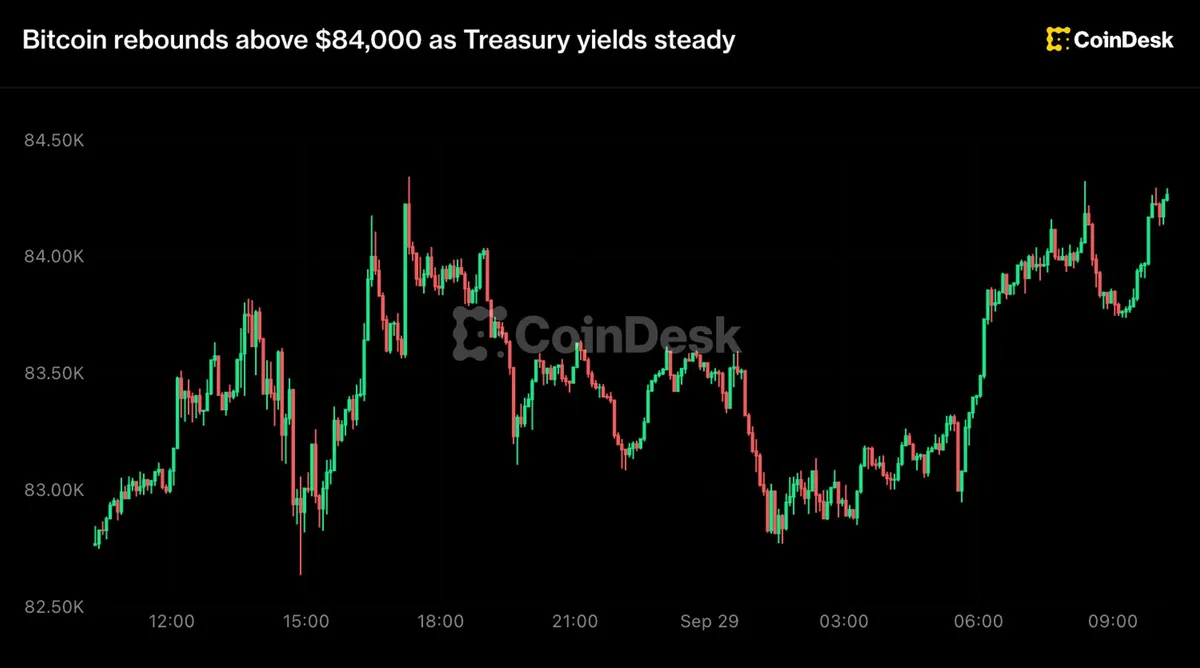
Bitcoin surpasses $84,000 as ETF investments reach $30 million

Citi clients can now process stablecoin payments via Coinbase's banking rails
Goldman Sachs brings $100 billion Treasury fund into crypto’s institutional plumbing