Sports betting should be regulated as a financial product, not gambling, aspiring prediction market provider says
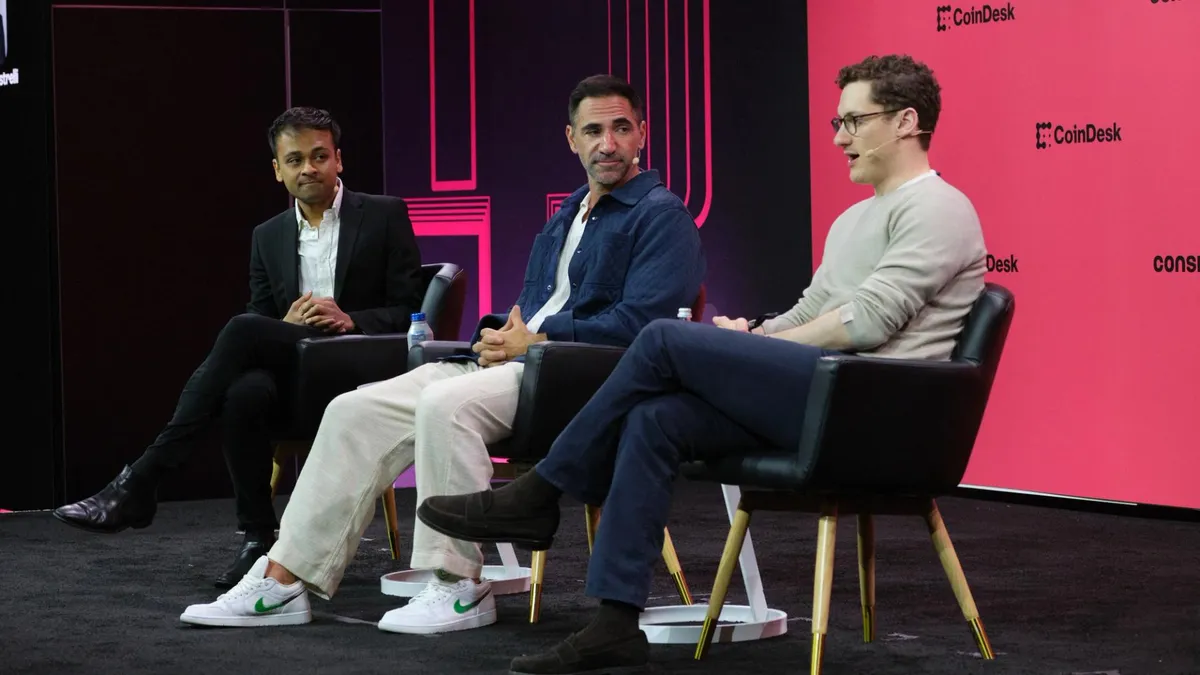
In a bold move to reshape the sports betting landscape, Novig CEO Jacob Fortinsky announced that his company plans to transition to a federal Designated Contract Market (DCM) framework this summer. This transition aims to establish Novig as a legitimate prediction market provider, allowing users to participate in sports betting across all 50 states. Fortinsky’s vision positions sports betting not merely as gambling but as a regulated financial product, creating a more structured and transparent environment for users. He argues that this shift could provide bettors with a more reliable and less risky experience, reflecting the growing acceptance of sports betting as a legitimate form of investment.
The call for regulation stems from a broader context of sports betting's rapid expansion in the United States. Following the Supreme Court's decision to lift the federal ban on sports gambling in 2018, many states have moved to legalize and regulate this industry. However, the current framework often treats sports betting as a game of chance rather than a financial activity. By advocating for regulation under financial product standards, Fortinsky aims to align the sports betting market with established financial practices, potentially appealing to a wider audience that includes more risk-averse investors.
This proposed shift matters significantly for the market, as it could alter how sports betting is perceived and engaged with. If sports betting is regulated like a financial product, it may attract institutional investors and create more robust market dynamics. Additionally, such a framework could lead to enhanced consumer protections, as participants would have clearer guidelines and oversight. This could also mitigate issues with user trust, as bettors would be operating within a regulated environment rather than navigating the often murky waters of unregulated platforms.
Industry reactions to this proposal have been mixed. While some experts support the idea of treating sports betting as a financial product, citing potential benefits for consumer protections and market stability, others express concerns about the implications for traditional sportsbooks. Adam Mastrelli from 57 Maiden shared his own experiences, noting that he faced bans from major sportsbooks for being a "sharp" bettor. This highlights the challenges and inconsistencies within the current sports betting landscape, and it raises questions about how new regulations could affect existing operators and their business models.
Looking ahead, the industry will likely see increased discussions surrounding the regulation of sports betting as a financial product. As Novig prepares for its transition to the DCM framework, other companies may follow suit or advocate for similar changes. It will be crucial to monitor how regulators respond to these proposals and whether they will embrace a new framework that could reshape the future of sports betting in America. The evolution of this market could not only impact bettors but also redefine the relationship between sports wagering and financial markets, paving the way for innovative approaches to this burgeoning industry.

CoinMagnetic Team
Crypto investors since 2017. We trade with our own money and test every exchange ourselves.
Updated: May 2026
From our insights:
Related news
US investigates Binance for potential Iran-linked trading violations

Crypto sector emerges as top donor with $206 million in midterms backing
Stand With Crypto’s 4 million registered advocates couldn’t get the CLARITY Act through the Senate

Kakao Pay, KakaoBank to explore stablecoin opportunities with Fireblocks

US Attorney's investigation into Binance focuses on Iran sanctions compliance