Spain blocks Polymarket, Kalshi for operating without licenses amid widening global crackdown on prediction markets

On May 26, Spain took a significant step by blocking prediction market platforms Polymarket and Kalshi from operating within its borders. The decision came as part of a broader push by the Spanish government to regulate and control the landscape of online betting and gambling. Authorities cited concerns over the lack of proper licensing and oversight for these platforms, which allow users to bet on various outcomes, from political events to sports results. This move highlights the increasing scrutiny that prediction markets are facing globally, as regulators strive to ensure consumer protection and compliance with local laws.
The context of this crackdown is rooted in the evolving legal frameworks around online gambling and betting in many jurisdictions. Over the past few years, various countries have begun to reevaluate their stance on prediction markets, which blur the lines between gambling and financial trading. Spain's decision aligns with a growing trend among regulators worldwide who are concerned that unregulated platforms may expose consumers to undue risk and potential fraud. The regulatory environment is becoming more challenging for such platforms, as authorities seek to establish clearer guidelines to protect users and maintain a fair market.
This recent action in Spain has broader implications for the prediction market sector, potentially setting a precedent for other countries to follow suit. As more governments become aware of the activities of platforms like Polymarket and Kalshi, we may see increased pressure on these companies to obtain the necessary licenses to operate legally. The uncertainty surrounding regulatory compliance could lead to market volatility, as users may withdraw from these platforms due to fears of legal repercussions or service disruptions. Investors and stakeholders within the crypto and betting industries may need to reassess their strategies in light of these developments.
Industry experts have voiced mixed opinions regarding Spain's decision. Some argue that the crackdown is a necessary step towards ensuring consumer safety and preventing fraud in an increasingly complex market. Others, however, warn that overly stringent regulations could stifle innovation and push users towards unregulated alternatives, ultimately undermining the very protections that regulators seek to enforce. The balance between fostering innovation and ensuring compliance will be a critical challenge for regulators moving forward.
Looking ahead, it remains to be seen how Polymarket and Kalshi will respond to this regulatory hurdle. The platforms may need to pivot their business models or seek out necessary licenses to operate legally in Spain and potentially other jurisdictions facing similar scrutiny. As the global landscape for prediction markets continues to evolve, the future of these platforms will likely hinge on their ability to navigate the complex interplay between regulation and market demand. The coming months will be crucial in determining how these developments shape the prediction market industry as a whole.

CoinMagnetic Team
Crypto investors since 2017. We trade with our own money and test every exchange ourselves.
Updated: May 2026
From our insights:
Related news

SoFi begins stablecoin settlement on Mastercard network for program expected to exceed $25 billion in annualized volume
A $3.2 million 'bitcoin butterfly' option trade bets on $95,000 by the end of October

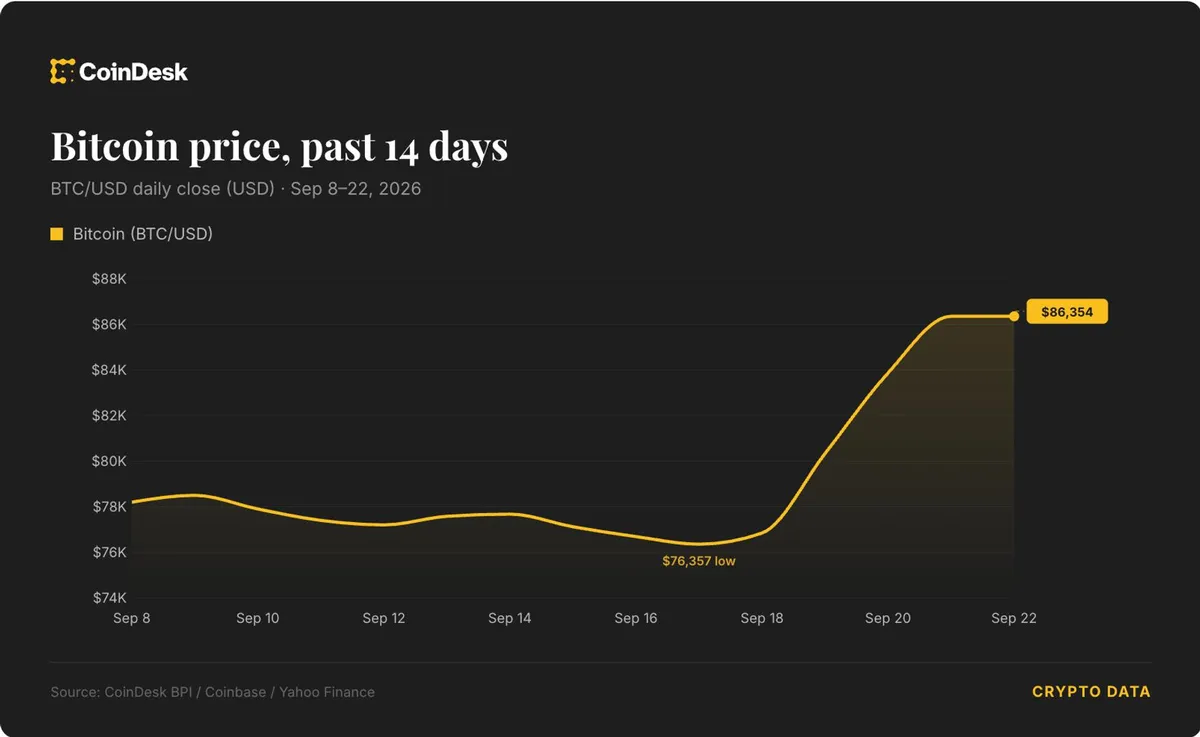
Bitcoin surges past $86,000 as $1 billion in shorts are liquidated, eyes on $90,000
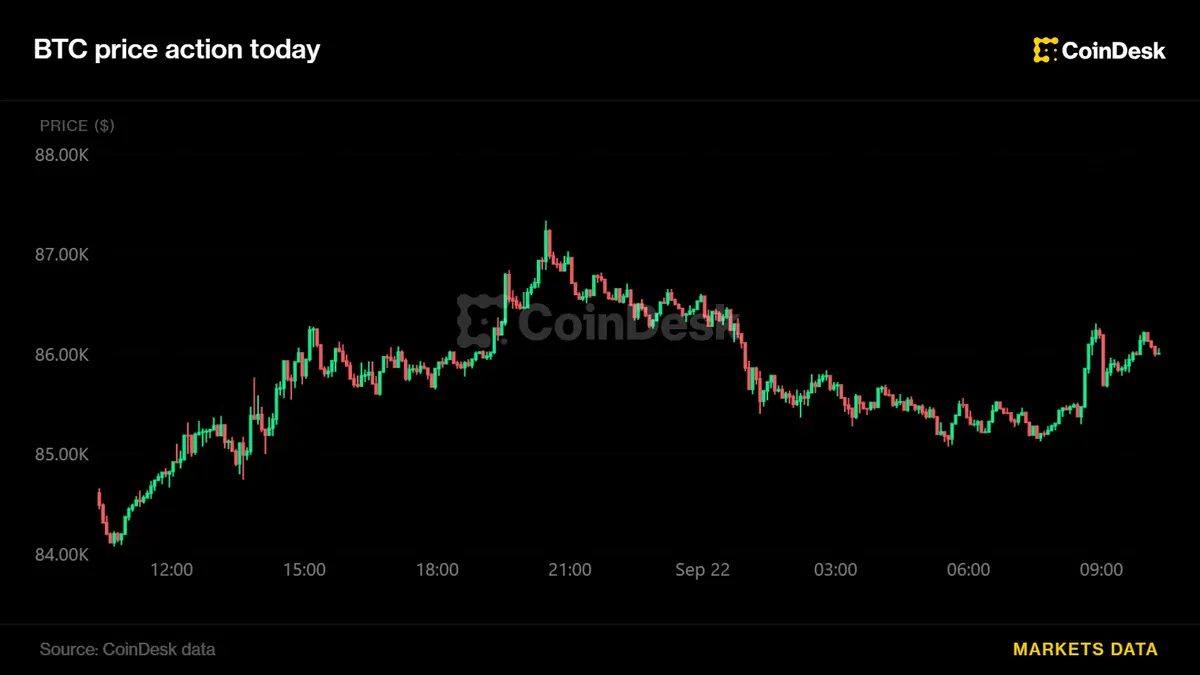
Bitcoin bounces back to $86,000 as oil prices decline and stocks rise

Prediction markets projected to reach $10 trillion by 2035, surpassing sports