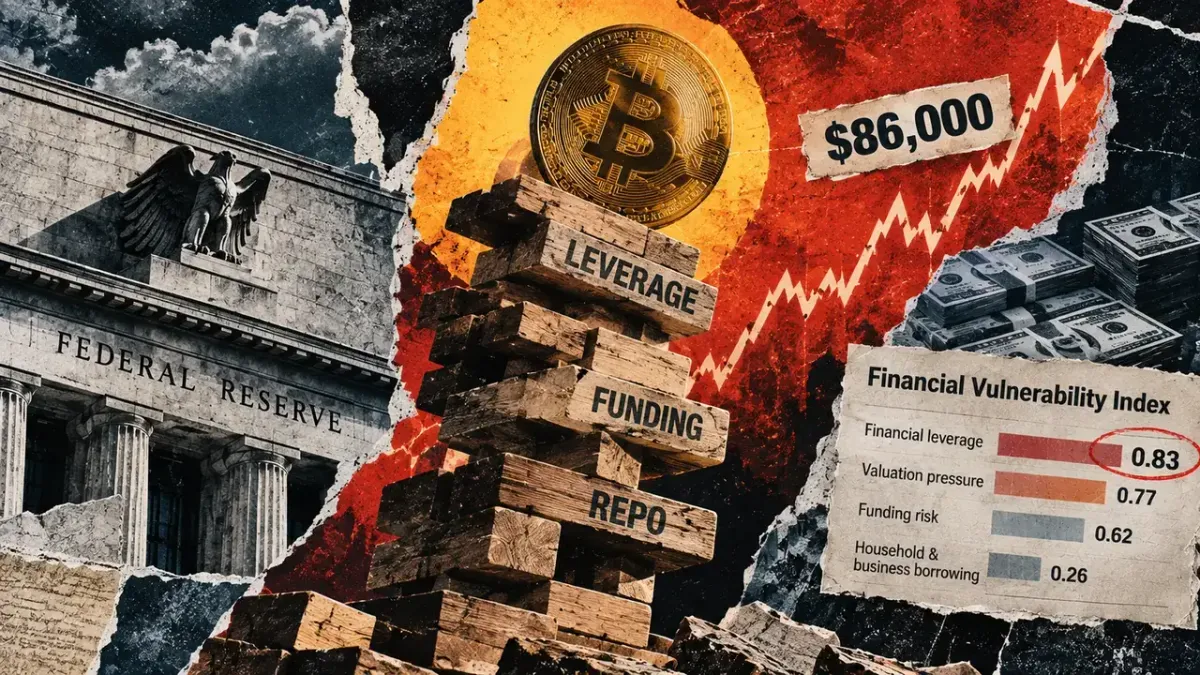
SpaceX IPO scramble reveals difference between tokenizing a stock and getting one

The recent buzz surrounding the anticipated SpaceX IPO has highlighted a significant distinction between the concept of tokenizing stocks and the actual acquisition of shares. Several crypto platforms had eagerly promoted the opportunity for users to gain early access to the SpaceX IPO via tokenized shares, which seemed to promise a revolutionary way to invest. However, the underlying issue proved to be more complex than the technology itself. While the process of tokenizing assets is gaining traction, securing the actual shares from the company has become a significant stumbling block, leading to confusion and disappointment among investors.
To understand the current situation, we need to consider the broader context of the IPO and the role of tokenized assets. SpaceX, the aerospace manufacturer founded by Elon Musk, has generated immense interest and speculation about its valuation as it prepares for an IPO. As traditional stock markets evolve, crypto platforms have seen an opportunity to offer innovative financial products, including tokenized versions of popular stocks. These tokenized shares can theoretically provide more liquidity and fractional ownership, making it easier for smaller investors to participate in lucrative offerings. However, the fundamental challenge remains: without access to the actual shares, the promise of tokenized stocks falls short.
This distinction is crucial for the market, as it raises questions about the viability of tokenized shares as a legitimate investment vehicle. The hype surrounding the SpaceX IPO has drawn attention not only to the company itself but also to the mechanisms that facilitate investment in such high-profile offerings. Investors and crypto enthusiasts alike are left pondering the reliability of platforms that promise access to tokenized shares, especially when the reality is that these platforms may not have the necessary arrangements in place to secure the underlying assets. This situation could have broader implications for the credibility of tokenized assets in the financial ecosystem.
Industry reactions have been mixed, with some experts expressing skepticism about the feasibility of tokenizing stocks without a solid framework for securing the underlying shares. Others see this as a learning opportunity for both the crypto and financial sectors, indicating a need for clearer regulations and standards regarding tokenized assets. As the conversation unfolds, it remains important to evaluate how these developments might reshape investor confidence and market dynamics, particularly as more companies consider going public in the coming months.
Looking ahead, the situation serves as a reminder of the complexities involved in integrating traditional financial systems with emerging technologies. As the demand for innovative investment solutions grows, it will be essential for crypto platforms to establish better relationships with underlying asset holders and regulatory bodies. The journey towards a seamless fusion of tokenized assets and traditional stock offerings is just beginning, and how these challenges are navigated will likely influence the future landscape of investment opportunities.

CoinMagnetic Team
Crypto investors since 2017. We trade with our own money and test every exchange ourselves.
Updated: June 2026
From our insights:
Related news

Ancient wallets move $161 million in bitcoin, including 600 BTC today
CFTC Chairman Selig emphasizes need for markets to adapt to mass tokenization
Republican senator seeks investigation into presidential sons' crypto ties

OpenAI cuts prices 50% on mid-tier models as Anthropic unveils Claude Opus 5.5

Bernstein revises prediction markets to $10 trillion by 2035, up from $1 trillion