SpaceX IPO filing gives crypto investors a new way to price Bitcoin exposure, X payments, and AI compute

SpaceX’s recent IPO filing has stirred excitement in the crypto community, particularly due to the company’s disclosed exposure to Bitcoin. On May 20, SpaceX submitted its S-1 filing with the US Securities and Exchange Commission (SEC), offering insights into its financial performance, growth prospects, and the associated risks. This move is noteworthy as it marks a formal acknowledgment of the company's investments in Bitcoin, providing a benchmark for crypto investors who have been trading SpaceX shares informally in secondary markets. With this filing, investors now have a clearer view of how SpaceX’s cryptocurrency holdings could impact its overall valuation.
The context surrounding this IPO is significant. SpaceX, founded by Elon Musk, has long been associated with innovation and disruption across various sectors, from space exploration to telecommunications. The company's earlier ventures into cryptocurrency and its acceptance of Bitcoin for certain services have positioned it uniquely within the broader financial ecosystem. The decision to go public and reveal its Bitcoin exposure could signal a growing acceptance of cryptocurrencies among traditional businesses, thus bridging the gap between the crypto market and mainstream finance.
This development matters for the market because it sets a precedent for how other companies might handle their cryptocurrency investments in the future. As a prominent player in the tech landscape, SpaceX's formal acknowledgment of Bitcoin could influence investor sentiment, potentially leading to increased institutional interest in cryptocurrencies. Moreover, the IPO could create a new valuation mechanism for Bitcoin exposure, allowing investors to assess their crypto investments with greater precision based on the performance metrics outlined in the S-1 filing.
Industry reactions to the SpaceX IPO filing have been largely positive, with many experts praising the transparency it brings to the crypto market. Analysts believe that this could pave the way for more companies to disclose their cryptocurrency holdings, fostering a culture of accountability and encouraging other firms to consider Bitcoin as a legitimate asset class. Additionally, the integration of AI compute within the filing has sparked discussions about the intersection of technology and finance, with some experts predicting that this could lead to innovative financial products that leverage both AI and blockchain technologies.
Looking ahead, the implications of SpaceX's IPO and its Bitcoin exposure will likely unfold in the coming months. Investors will be keenly watching how the market reacts to the valuation of SpaceX shares relative to Bitcoin’s price movements. Furthermore, as more companies follow suit in disclosing their cryptocurrency holdings, we may see a paradigm shift in how traditional finance interacts with the crypto space, ultimately influencing regulatory discussions and market dynamics. As the landscape evolves, it will be crucial to monitor these developments to understand their impact on both the tech and cryptocurrency sectors.

CoinMagnetic Team
Crypto investors since 2017. We trade with our own money and test every exchange ourselves.
Updated: May 2026
From our insights:
Related news
Iran hints at reopening Strait of Hormuz, WTI oil drops to $89

New altseason signal emerges as Bitcoin market cap stays under 60%

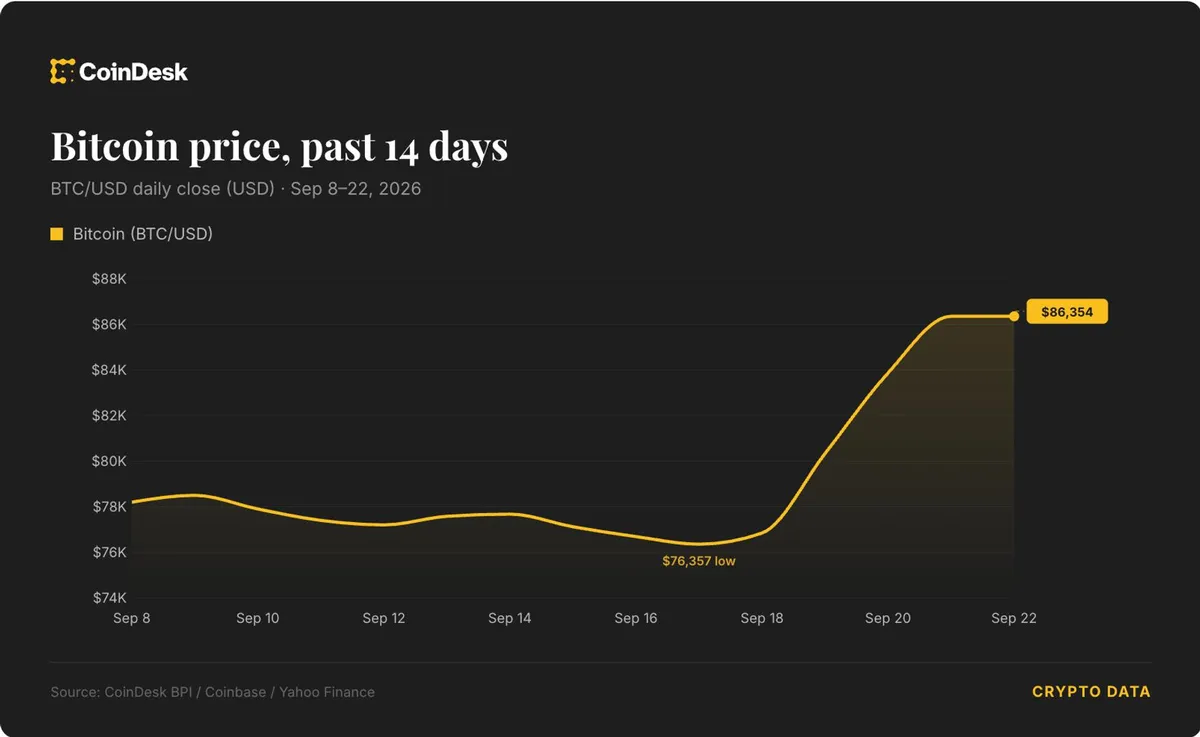
Bitcoin nears $86,000 as crypto market cap surpasses $3 trillion

Bitcoin's weekly close above $81,000 signals potential rise to $90,000

Elon Musk's X integrates bitcoin trading options for U.S. users