South Korea considers easing market maker restrictions after JPYC spikes
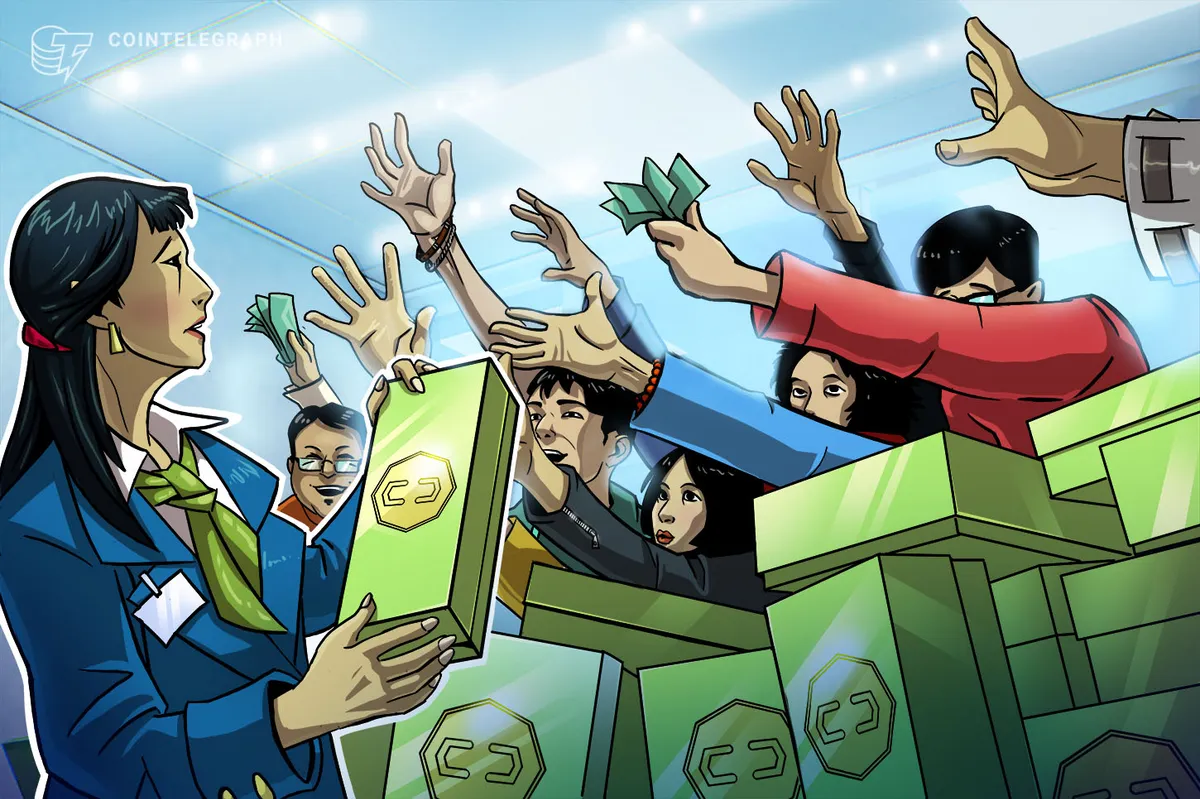
South Korean regulators are reevaluating their stance on crypto market makers following an unusual spike in the value of JPYC, a stablecoin, which traded at four times its peg on Upbit earlier this month. This significant deviation from its expected value has raised concerns about market manipulation and the need for more robust market-making strategies within the local crypto landscape. The potential changes could shift the regulatory environment for crypto trading in South Korea, which has been known for its stringent rules regarding market manipulation.
Historically, South Korea has maintained strict regulations to curb potential market manipulation, particularly in the volatile cryptocurrency sector. Market-making activities have been largely restricted under these rules, with regulators aiming to protect investors and ensure a fair trading environment. However, the recent incident involving JPYC has prompted a reconsideration of how these rules are applied, particularly as the country aims to foster innovation in its digital asset market while still ensuring consumer protection.
The implications of this regulatory shift could be significant for the South Korean cryptocurrency market. If market makers are allowed to operate with fewer restrictions, it could lead to increased liquidity and more stable pricing for cryptocurrencies, including stablecoins like JPYC. This move may also attract more institutional investors who often rely on market makers for smoother transactions, potentially enhancing the overall market dynamics in South Korea.
Industry experts have reacted positively to the potential for regulatory change, arguing that allowing market makers could help prevent extreme price fluctuations and improve overall market efficiency. Many believe that a balanced approach, which combines regulation with market freedom, could ultimately benefit investors and the broader crypto ecosystem. However, some caution against loosening regulations too quickly, emphasizing the need for rigorous oversight to prevent manipulation and protect consumers.
Looking ahead, the South Korean regulators will likely engage in discussions with industry stakeholders to determine the best course of action. As the crypto market continues to evolve, these conversations will be crucial in shaping policies that balance innovation with investor protection. The outcome of this reevaluation could set a precedent for how other countries approach crypto market-making regulations in the future.

CoinMagnetic Team
Crypto investors since 2017. We trade with our own money and test every exchange ourselves.
Updated: September 2026
From our insights:
Related news

Vitalik Buterin says Hegotá could be Ethereum’s last ‘normal’ fork
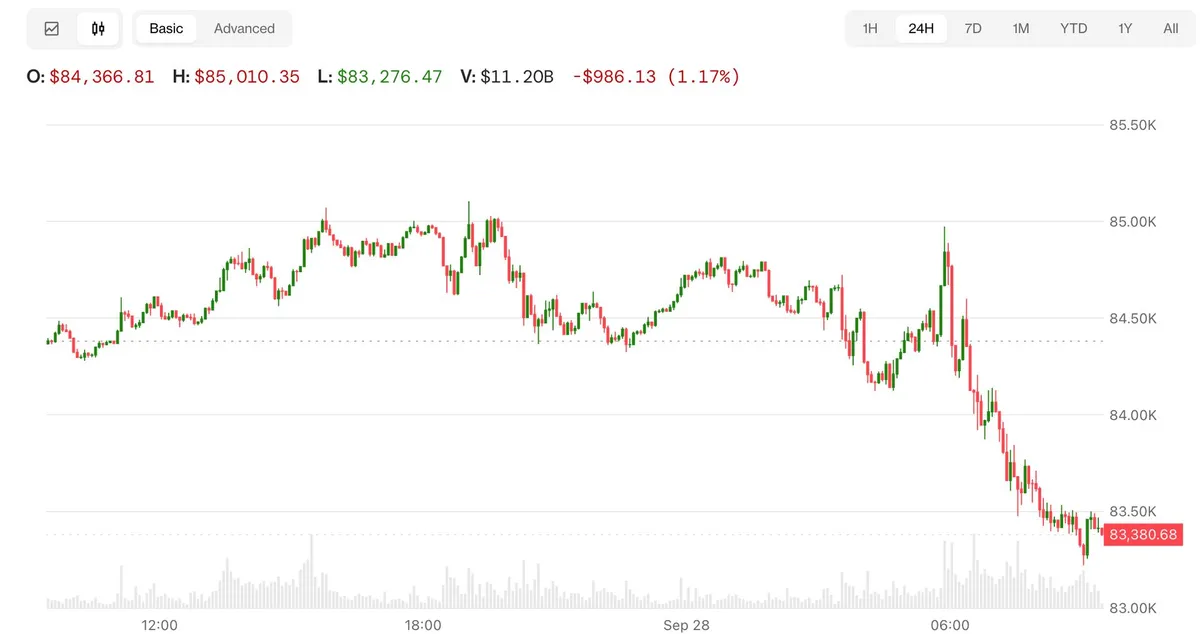
Bitcoin and Nasdaq futures drop amid Trump's Iran strike comments
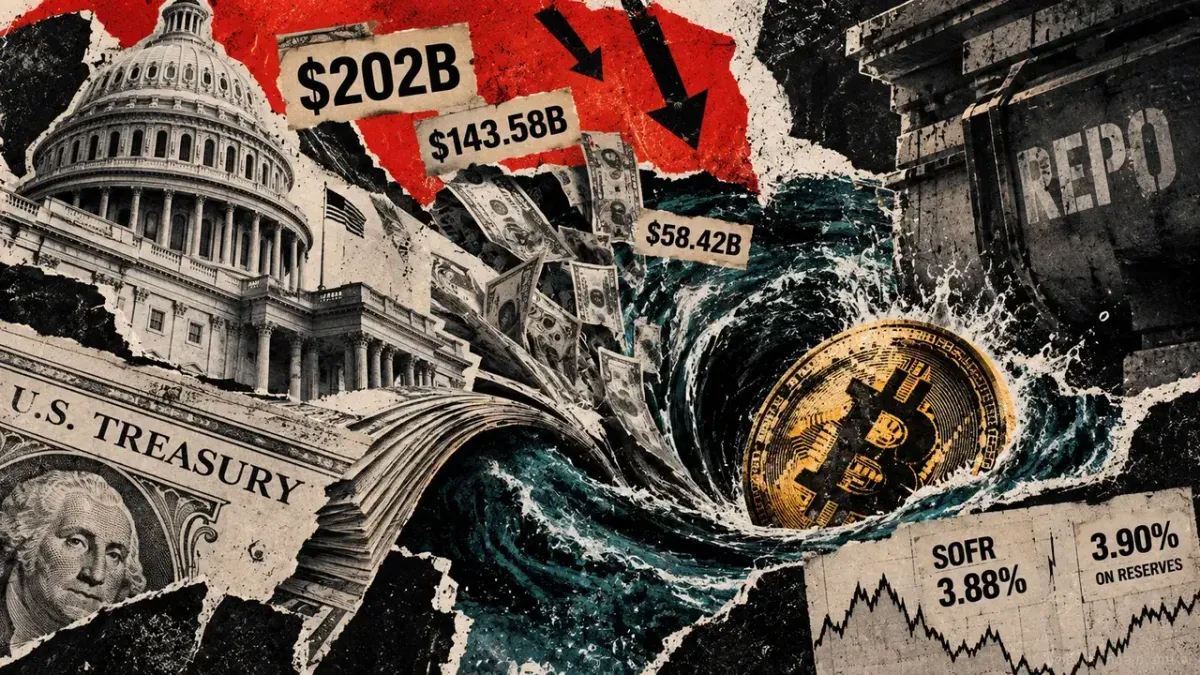
September 30 marks $202 billion US Treasury settlement that may impact Bitcoin

Investigation ties $18.4 million in Robinhood Chain memecoins to rug-pull scheme
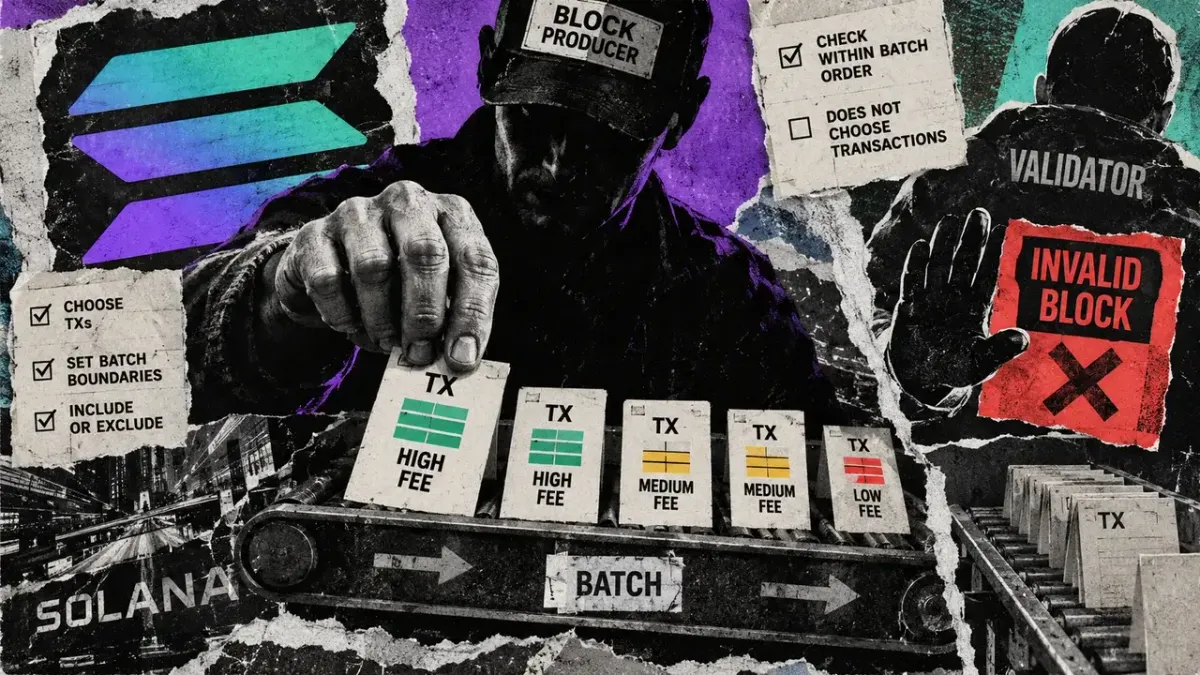
Solana's efforts for equitable trading face hurdles as block producers control order inclusion