South Korea tightens oversight of firms moving crypto overseas: report

South Korea is stepping up its regulatory measures concerning the movement of cryptocurrencies overseas. According to recent reports, authorities are intensifying oversight on firms transferring digital assets outside of the country. This move aims to ensure compliance with financial regulations and curb potential tax evasion as the country prepares to implement a capital gains tax on cryptocurrency transactions starting in January 2027. The focus on overseas transactions reflects South Korea's ongoing efforts to bring greater accountability and transparency to its burgeoning crypto sector.
The backdrop to this regulatory tightening can be traced to South Korea's evolving stance on cryptocurrencies over the past few years. Initially, the government embraced the innovation brought about by blockchain technology and digital currencies, but a series of high-profile scandals and market volatility prompted a shift toward more stringent regulations. The upcoming capital gains tax is part of a broader strategy to regulate the crypto market, which has been characterized by rapid growth and significant risks. Authorities aim to establish a framework that not only protects investors but also captures tax revenue from an increasingly lucrative sector.
This heightened regulatory environment is likely to have far-reaching implications for the cryptocurrency market in South Korea and beyond. By imposing stricter controls on capital movements, the government may deter firms from engaging in potentially risky offshore transactions, thereby promoting a more stable domestic market. The capital gains tax set to take effect in 2027 also signals a commitment to integrating cryptocurrencies into the traditional financial system, which could lead to increased legitimacy for digital assets in the eyes of investors and institutions alike.
Industry reactions to these developments have been mixed. Some experts welcome the increased oversight as a necessary step toward creating a more secure and trustworthy market. They argue that clear regulations can help protect investors and foster innovation within the industry. However, others express concerns that stringent controls may stifle growth and push firms to seek less regulated environments, potentially undermining South Korea's position as a crypto hub. Overall, the sentiment reflects a cautious optimism about the potential for a balanced regulatory approach that supports innovation while ensuring accountability.
Looking ahead, the focus will likely be on how these regulations are implemented and their impact on the broader cryptocurrency ecosystem. As the 2027 deadline for the capital gains tax approaches, firms will need to adapt to the changing landscape and may seek to influence regulatory discussions. The government, in turn, will need to navigate the delicate balance between fostering innovation and maintaining oversight. With ongoing developments in the industry and the regulatory landscape, all eyes will be on South Korea as it shapes the future of cryptocurrency regulation.

CoinMagnetic Team
Crypto investors since 2017. We trade with our own money and test every exchange ourselves.
Updated: May 2026
From our insights:
Related news

Bitcoin surges past $86,000 as $1 billion in shorts are liquidated, eyes on $90,000
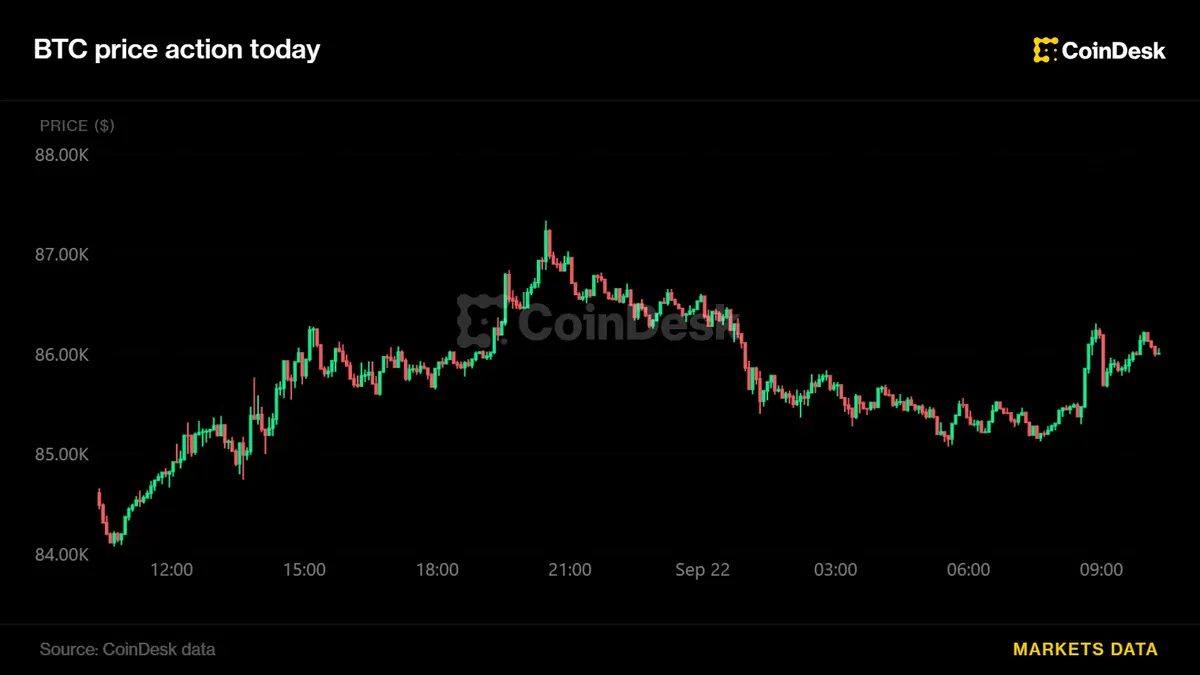
Bitcoin bounces back to $86,000 as oil prices decline and stocks rise

Prediction markets projected to reach $10 trillion by 2035, surpassing sports
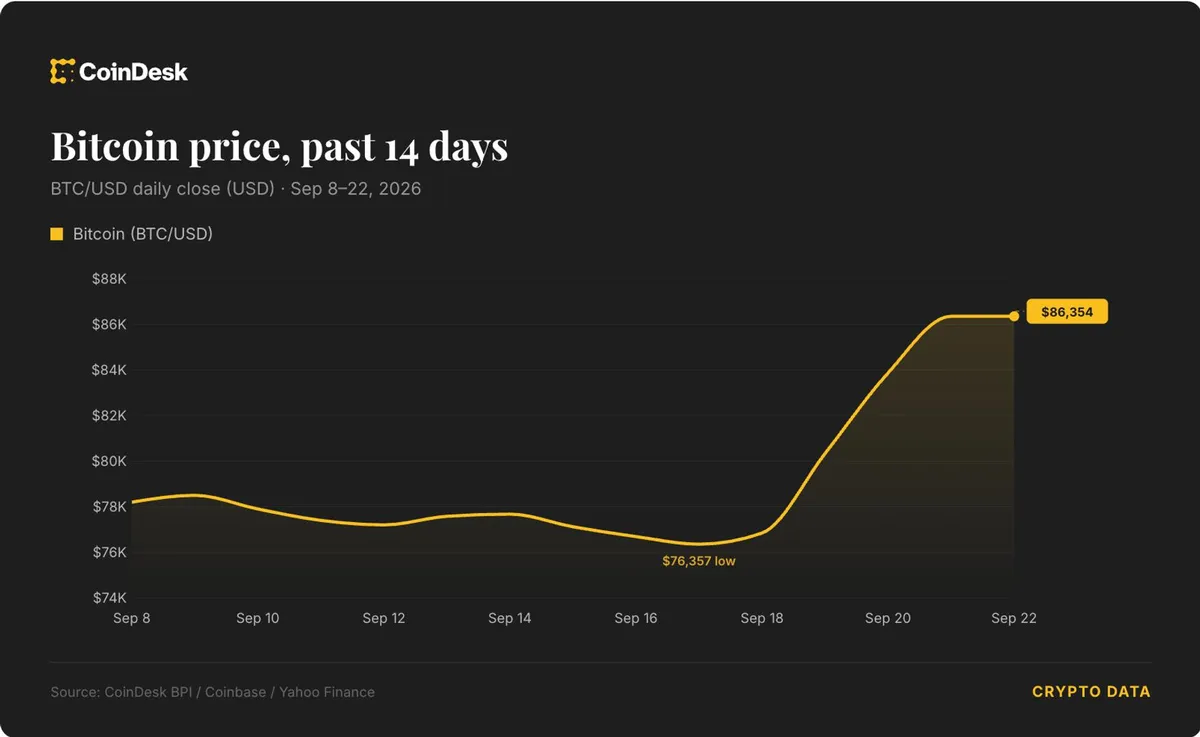
Iran hints at reopening Strait of Hormuz, WTI oil drops to $89

New altseason signal emerges as Bitcoin market cap stays under 60%