South Korea’s KOSPI crashes 10% as regulator admits ETF mistake – Bitcoin falls below $63,000

South Korea’s financial markets faced a significant downturn today as the KOSPI, the country’s benchmark stock index, crashed nearly 10%, leading to a market-wide trading halt. This steep decline occurred after the Financial Services Commission (FSC) admitted that it had rushed the approval of leveraged exchange-traded funds (ETFs) linked to the two largest chipmakers in the nation. Reports indicate that the KOSPI closed down 9.99% at 8,203.84, marking its most significant drop since early March. The fallout from this admission has reverberated across the financial landscape, with investor confidence taking a considerable hit.
The context surrounding this crash is essential to understand the implications for both the South Korean market and the crypto space. The FSC's acknowledgment of its hasty decision regarding the leveraged ETFs has raised questions about regulatory oversight and the potential risks associated with such investment vehicles. Leveraged ETFs are designed to amplify returns but can also result in substantial losses, especially in volatile markets. The KOSPI's decline reflects broader concerns over the stability of the financial system and the impact of regulatory missteps on investor sentiment.
This event is particularly significant for the cryptocurrency market, as the decline in traditional equities often leads to heightened volatility in digital assets. Following the news of the KOSPI crash, Bitcoin fell below the $63,000 mark, reflecting a bearish sentiment that has stretched beyond South Korea’s borders. The correlation between traditional markets and cryptocurrencies suggests that the fears stemming from the KOSPI's plunge may lead to further sell-offs in crypto markets, as investors might seek to mitigate risks by liquidating positions across various assets.
Industry experts have been weighing in on the implications of this regulatory oversight and the subsequent market reactions. Many analysts suggest that the crash could lead to increased scrutiny of financial products and regulatory practices in South Korea, which may, in turn, impact the broader cryptocurrency landscape. Some voices in the sector argue that this incident could evoke a more cautious approach to crypto regulation, as authorities may prioritize investor protection in light of the recent volatility. The consensus among experts is that while the immediate impact on cryptocurrencies is negative, this may also serve as a wake-up call for regulators to establish clearer guidelines around leveraged trading.
Looking ahead, the situation remains fluid. Investors will likely be monitoring regulatory developments closely, not only in South Korea but globally, as the ramifications of this crash unfold. If the KOSPI continues to experience downward pressure, it could set off a chain reaction affecting other markets, including crypto. Additionally, how regulators respond to the backlash over the ETF approval could shape market sentiment and investment strategies in the coming weeks. As we navigate this uncertain landscape, the interplay between traditional finance and cryptocurrency will be crucial in determining the direction of both markets.

CoinMagnetic Team
Crypto investors since 2017. We trade with our own money and test every exchange ourselves.
Updated: June 2026
From our insights:
Related news
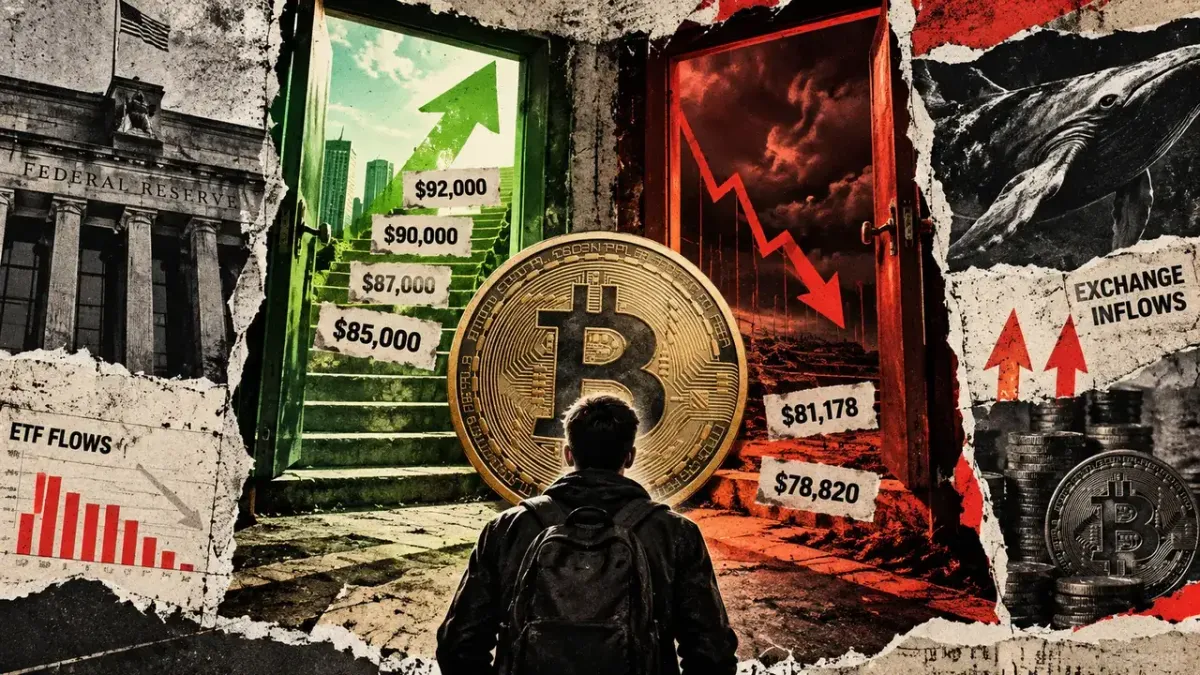
Bitcoin's weekly close above $81,000 signals potential rise to $90,000

Elon Musk's X integrates bitcoin trading options for U.S. users
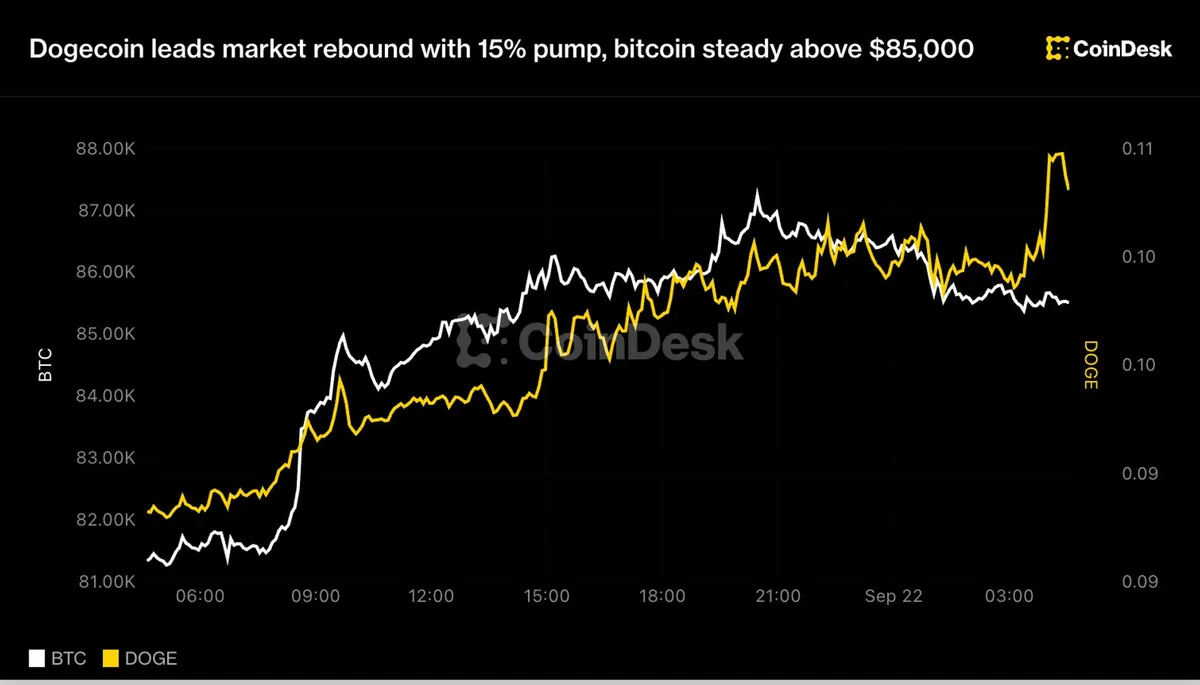
Dogecoin's 15% surge drives market recovery as bitcoin stabilizes above $85,000

Cardano adds tools for AI agent payments, joining Solana and XRP Ledger

Trueo prediction market moves from Base to Ethereum