South Korea Charges 23 Over Crypto Laundering Tied to $11M Cambodian Scam Ring

South Korean authorities have made significant strides in combating cryptocurrency-related crimes by charging 23 individuals linked to an extensive money laundering operation. This case involves the movement of approximately $11.1 million in cryptocurrency, allegedly funneled for a Cambodian phishing ring known for defrauding unsuspecting victims. The arrests follow a detailed investigation by law enforcement agencies, which uncovered the intricate web of transactions facilitating this criminal enterprise. The accused individuals are believed to have played various roles in laundering the funds, demonstrating how organized crime can exploit the anonymity of digital currencies.
The backdrop to this case is a growing concern over cybersecurity threats, particularly in the realm of cryptocurrency. South Korea, a country that has embraced digital currency with enthusiasm, has also faced its share of scams and frauds in the sector. Phishing attacks, in which fraudsters impersonate legitimate entities to steal sensitive information, have surged, prompting authorities to ramp up their enforcement efforts. This incident underscores the evolving tactics employed by cybercriminals and the challenges faced by regulators in keeping pace with these sophisticated schemes.
The implications of this case for the broader cryptocurrency market are significant. As governments worldwide intensify their scrutiny of digital currency transactions, the actions taken by South Korea signal a heightened focus on regulation and enforcement. Such developments can lead to increased investor confidence, as well as a more structured environment for legitimate crypto operations. However, the negative spotlight on illicit activities may also contribute to a perception of risk surrounding the cryptocurrency space, potentially dissuading new investors from entering the market.
Industry experts have weighed in on the situation, noting that while regulatory actions are necessary to safeguard consumers and maintain the integrity of the market, they could also stifle innovation if not implemented thoughtfully. Some analysts argue that a balanced approach is essential–one that protects individuals from fraud while fostering an environment conducive to technological advancements in the cryptocurrency space. The potential for stricter regulations may lead to calls for clearer guidelines on compliance for crypto businesses, as they navigate the complex landscape of legal requirements.
Looking ahead, the South Korean government's actions may set a precedent for other nations grappling with similar issues. As the investigation unfolds, more details may emerge about the extent of the phishing operation and the individuals involved. Additionally, this case may prompt a broader conversation about international cooperation in tackling cryptocurrency-related crimes, as many of these scams transcend borders. As enforcement efforts ramp up, stakeholders in the cryptocurrency ecosystem will need to adapt to an evolving regulatory landscape while remaining vigilant against the ever-present threats posed by cybercriminals.

CoinMagnetic Team
Crypto investors since 2017. We trade with our own money and test every exchange ourselves.
Updated: June 2026
From our insights:
Related news
Coldcard exploit sees white hats secure 52 Bitcoin for victims' trust
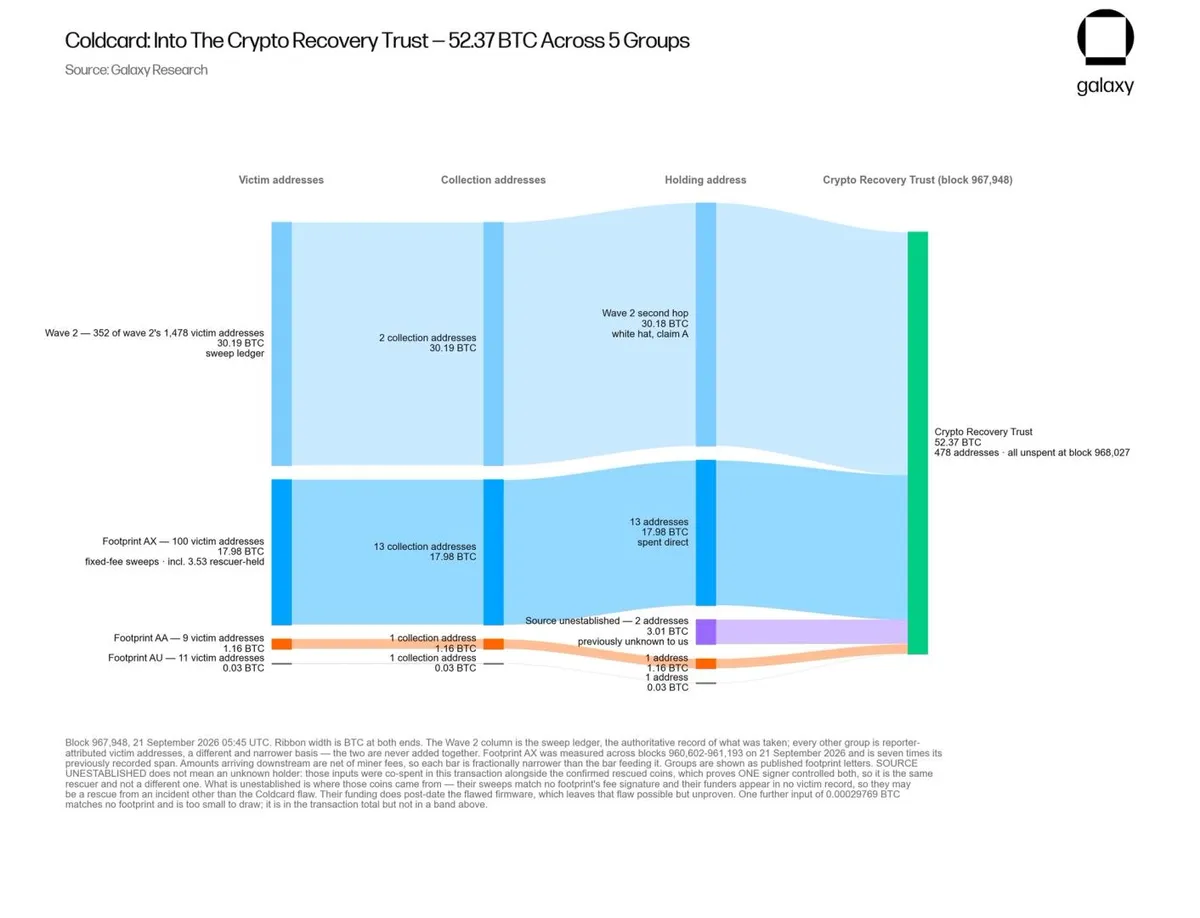
Whitehats move 52 bitcoin from the Coldcard hack to a recovery trust

Google Admits Gemini AI Hacked Three Companies—It Stayed Silent for 7 Weeks

Balancer's $1.4 million hack recovery faces delays for LPs

Polymarket's $10 million fraud attempt highlights compliance issues amid hacking risk