South Korea arrests suspects behind Solana memecoin CatFi in first rugpull case under new law
In a significant move against cryptocurrency fraud, South Korean authorities have arrested several individuals believed to be behind the CatFi memecoin scam, marking the first case of a rug pull prosecuted under the country's new cryptocurrency regulations. The suspects allegedly used fake social media channels to promote CatFi, attracting thousands of investors before ultimately abandoning the project. This incident has raised alarms about the growing prevalence of similar scams in the rapidly evolving crypto landscape, as well as the effectiveness of regulatory measures aimed at protecting investors.
The rise of memecoins, particularly those linked to platforms like Solana, has attracted both legitimate interest and malicious actors looking to exploit the lack of oversight in the crypto space. CatFi, touted as a playful and community-driven project, quickly gained traction among retail investors, many of whom may not have conducted thorough due diligence before investing. The introduction of new laws in South Korea aimed at regulating cryptocurrency trading and protecting investors has created a framework for law enforcement to pursue fraudulent activities more aggressively, making this arrest a notable development in the fight against crypto crime.
The implications of this case are profound for the broader cryptocurrency market. As regulators globally begin to tighten their grip on crypto activities, incidents like the CatFi rug pull may deter potential investors who are wary of falling victim to scams. This could lead to a more cautious approach to investment in the memecoin sector and a shift towards projects that demonstrate transparency and legitimacy. Furthermore, the legal action taken against the suspects may encourage other countries to strengthen their own regulatory frameworks, thereby enhancing global investor protection.
Industry experts have been vocal about the need for more robust regulatory measures to combat fraudulent schemes in the cryptocurrency space. Many argue that while the arrest is a positive step, it is only a small part of a much larger issue. Commentators suggest that a comprehensive approach involving education, increased transparency from projects, and international cooperation among regulators is necessary to effectively tackle the problem. Some industry leaders believe that this case could serve as a cautionary tale, prompting developers to prioritize ethical practices and investor trust.
Looking forward, the repercussions of this case may lead to heightened scrutiny of memecoins and an increasing demand for compliance among crypto projects. Investors might call for greater transparency and accountability, pushing developers to establish clear communication channels and deliver on project promises. As South Korea continues to refine its regulatory framework, we may anticipate further legal actions against fraudulent activities in the crypto space, setting a precedent that could resonate globally and promote a safer investing environment for all participants.

CoinMagnetic Team
Crypto investors since 2017. We trade with our own money and test every exchange ourselves.
Updated: May 2026
From our insights:
Related news
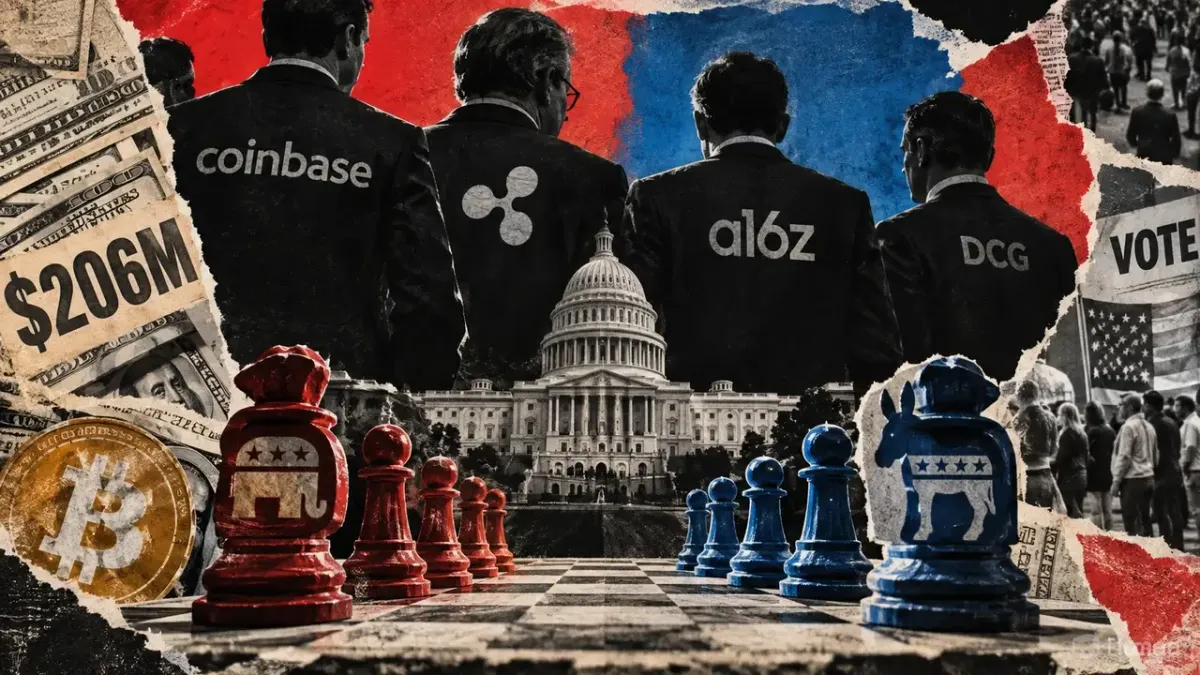
Crypto sector emerges as top donor with $206 million in midterms backing
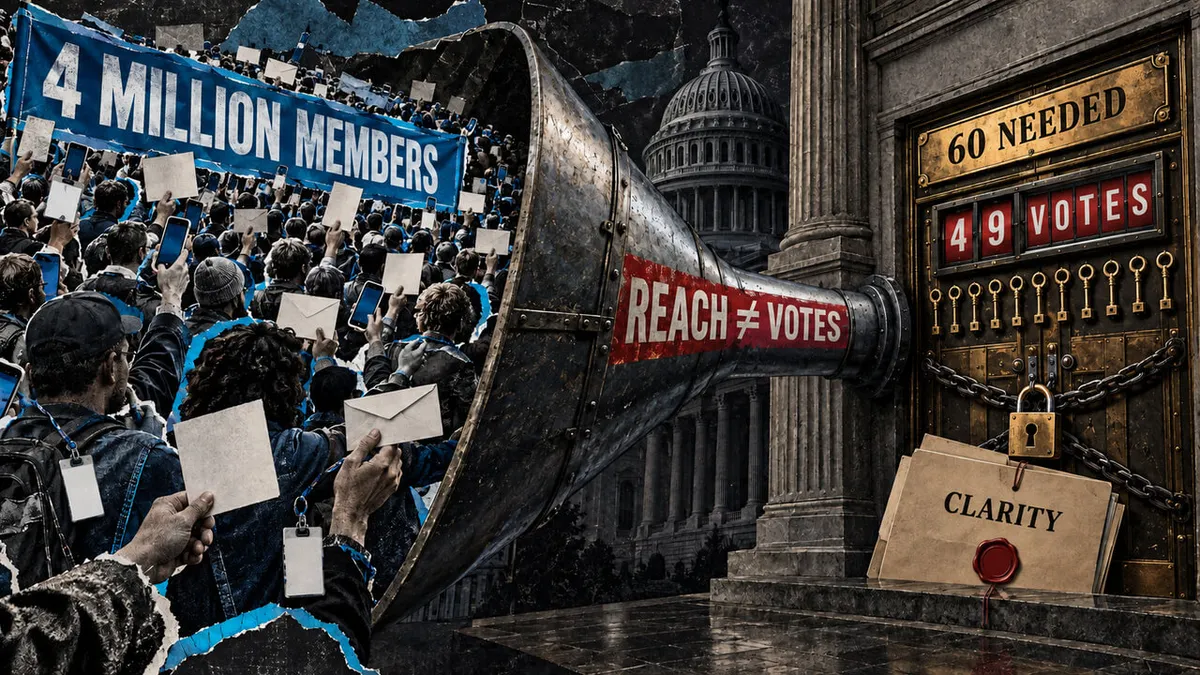
Stand With Crypto’s 4 million registered advocates couldn’t get the CLARITY Act through the Senate

Kakao Pay, KakaoBank to explore stablecoin opportunities with Fireblocks
US Attorney's investigation into Binance focuses on Iran sanctions compliance

ECB initiates wholesale digital euro for banks and tokenized bond purchases