Sony claims digital games lack ownership in court amid class action fight
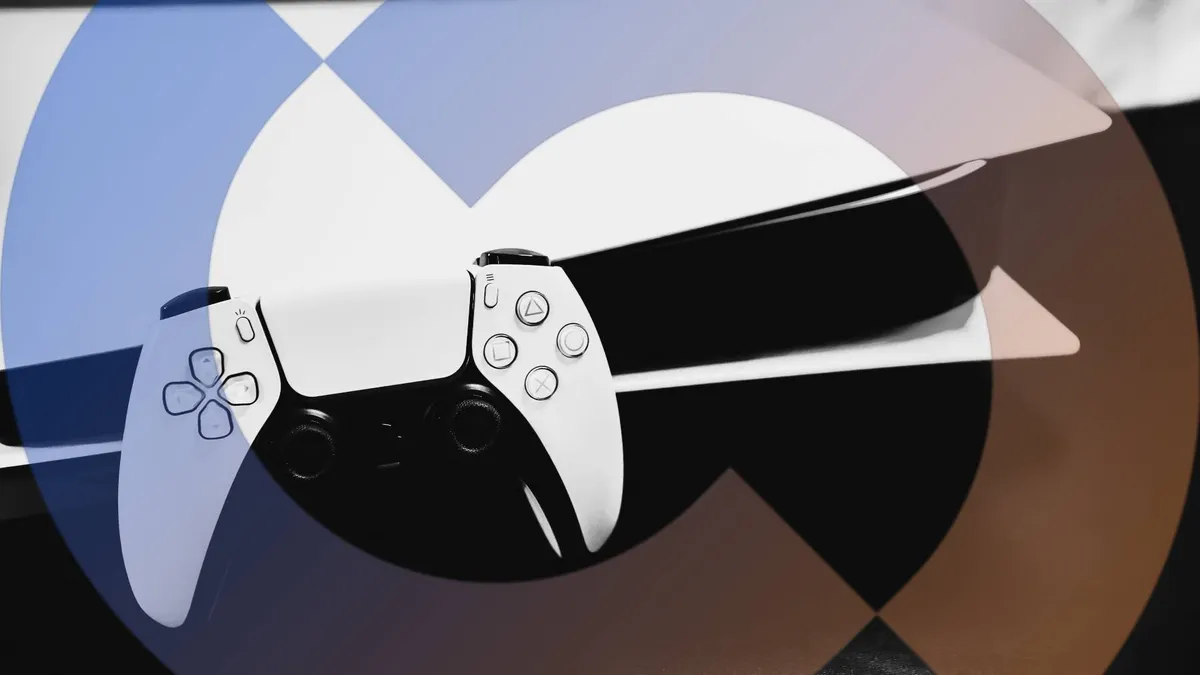
Sony Interactive Entertainment is currently embroiled in a legal battle over the ownership of digital games, as it faces a class action lawsuit in California. The lawsuit, which centers on the functionality of 'Buy Now' buttons in the PlayStation Store, asserts that consumers are misled into believing they own the games they purchase. In a recent court filing, Sony argued that these digital games are licensed rather than owned, which means that players do not have the same rights over digital purchases as they do with physical copies. The company has requested that the case be sent to arbitration, indicating its desire to settle the matter outside of court.
This legal challenge arrives at a time when the gaming industry is increasingly transitioning toward digital distribution platforms. For many years, players have been accustomed to purchasing physical copies of games, which they could resell or lend to friends. However, as companies like Sony have shifted focus to digital sales, questions about consumer rights and ownership have gained prominence. The current lawsuit highlights a growing tension between digital game publishers and consumers regarding the implications of licensing agreements.
The outcome of this case could have significant implications for the gaming market as a whole. If the court sides with Sony, it may set a precedent that digital game purchases do not confer ownership rights, which could impact how consumers view their digital libraries. This could lead to a broader reevaluation of digital rights management practices across the industry, potentially affecting sales models, consumer behavior, and the legal framework governing digital content.
Industry reaction to the case has been mixed, with some experts arguing that digital ownership rights need to be clarified to protect consumers. Others believe that the current model allows companies to retain necessary control over their products, especially in a rapidly evolving digital landscape. Legal analysts are closely watching the proceedings, as the implications of a ruling could extend beyond just gaming, touching on other sectors that rely heavily on digital content.
Looking ahead, the fate of this lawsuit remains uncertain as both parties prepare for the next stages of the legal process. If the case does proceed to arbitration, it may not only affect the parties involved but could also prompt other companies to reassess their digital ownership policies. As the gaming industry continues to grow and evolve, the issue of ownership in the digital realm will likely remain a focal point of discussion.

CoinMagnetic Team
Crypto investors since 2017. We trade with our own money and test every exchange ourselves.
Updated: August 2026
From our insights:
Related news

MSCI non-operating company rules threaten Strategy and crypto treasury firms
Google Willow chip slashes magic states error rates by 40 times

Farcaster acquired by Balaji’s Network School, with new ‘social smart contract’ for users

Google audit shows AI writes 75% of code but lacks self-improvement
Bo Hines co-founded venture profited following GENIUS stablecoin legislation passage