Someone Just Lost $1 Million on Polymarket Over Spain World Cup Shocker
In a stunning turn of events during the recent World Cup, a trader on Polymarket suffered a staggering loss of $1 million after betting on Spain to clinch a victory. This unexpected outcome has drawn significant attention to the dynamics of prediction markets, particularly in high-stakes scenarios like major sporting events. Meanwhile, another trader capitalized on this upset by betting against Spain, purchasing a "No" position at just 9 cents, which ultimately paid off handsomely, yielding a remarkable profit of $4.3 million. This incident underscores the volatile nature of prediction markets, where the outcomes can lead to dramatic financial swings in a matter of hours.
The background of this incident lies in the rising popularity of decentralized prediction markets, where users can wager on the outcomes of various events, from political elections to sports results. Polymarket, in particular, has gained traction as a platform that allows traders to speculate on event probabilities using cryptocurrency. The betting mechanism relies on the crowd's collective intelligence, making it an intriguing alternative to traditional betting systems. However, the inherent unpredictability of such markets can lead to dramatic financial consequences, as demonstrated by the recent Spain match.
The significance of this incident extends beyond the individual traders involved; it highlights the broader implications for the prediction market sector. Such large-scale bets can influence market behavior, drawing attention to the risks and rewards associated with trading on platforms like Polymarket. The loss of $1 million is a stark reminder of how quickly fortunes can change in the crypto betting landscape, potentially leading to more cautious approaches from traders in future events. As prediction markets continue to evolve, incidents like this may provoke a reevaluation of risk strategies among participants.
Industry experts have reacted with interest to this shocking outcome, noting that it serves as both a cautionary tale and a testament to the capricious nature of market predictions. Some analysts believe this incident could deter risk-averse traders from participating in high-stakes bets, while others argue that it will attract more adventurous speculators eager to take advantage of the volatility. The duality of risk and reward in prediction markets is a topic of ongoing debate, with this event adding fuel to the conversation surrounding market behavior and trader psychology.
Looking ahead, it will be crucial to monitor how this incident influences trading patterns on Polymarket and similar platforms. If traders become more conservative as a result of witnessing such extreme outcomes, we may see a shift in the types of bets that gain traction. Alternatively, the allure of potentially life-changing profits could draw in a new wave of participants, eager to test their luck and market insight. As the world of prediction markets continues to develop, events like this will undoubtedly play a pivotal role in shaping the future landscape of crypto betting.

CoinMagnetic Team
Crypto investors since 2017. We trade with our own money and test every exchange ourselves.
Updated: June 2026
From our insights:
Related news
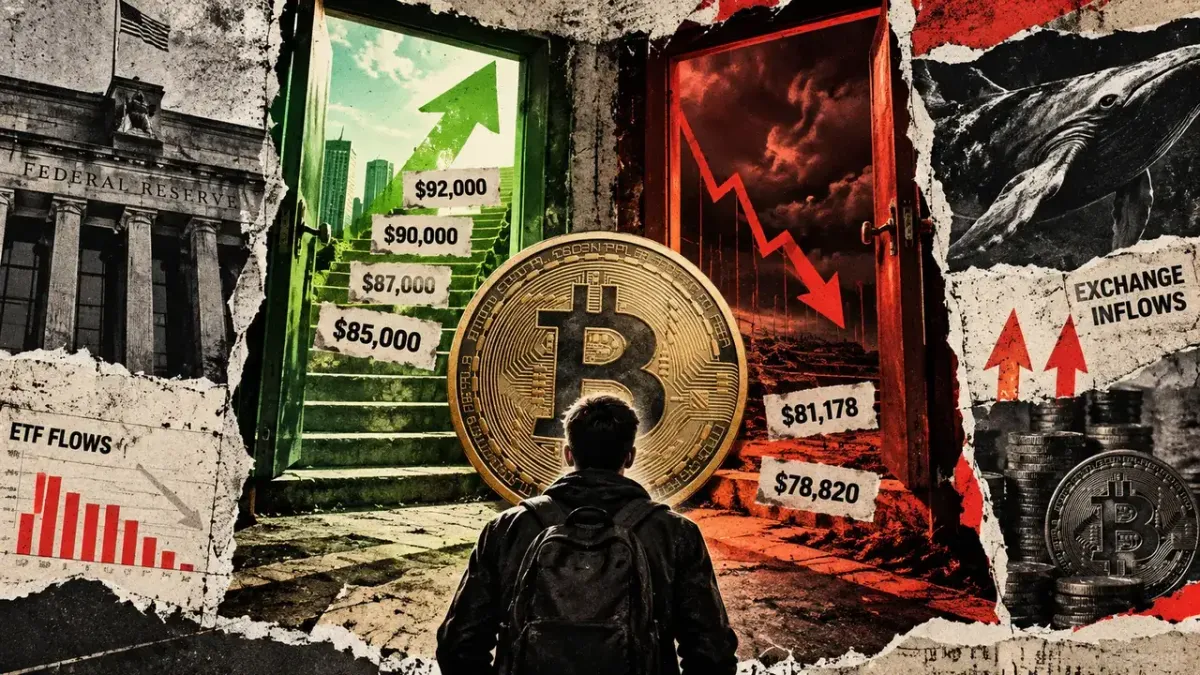
Bitcoin's weekly close above $81,000 signals potential rise to $90,000

Elon Musk's X integrates bitcoin trading options for U.S. users
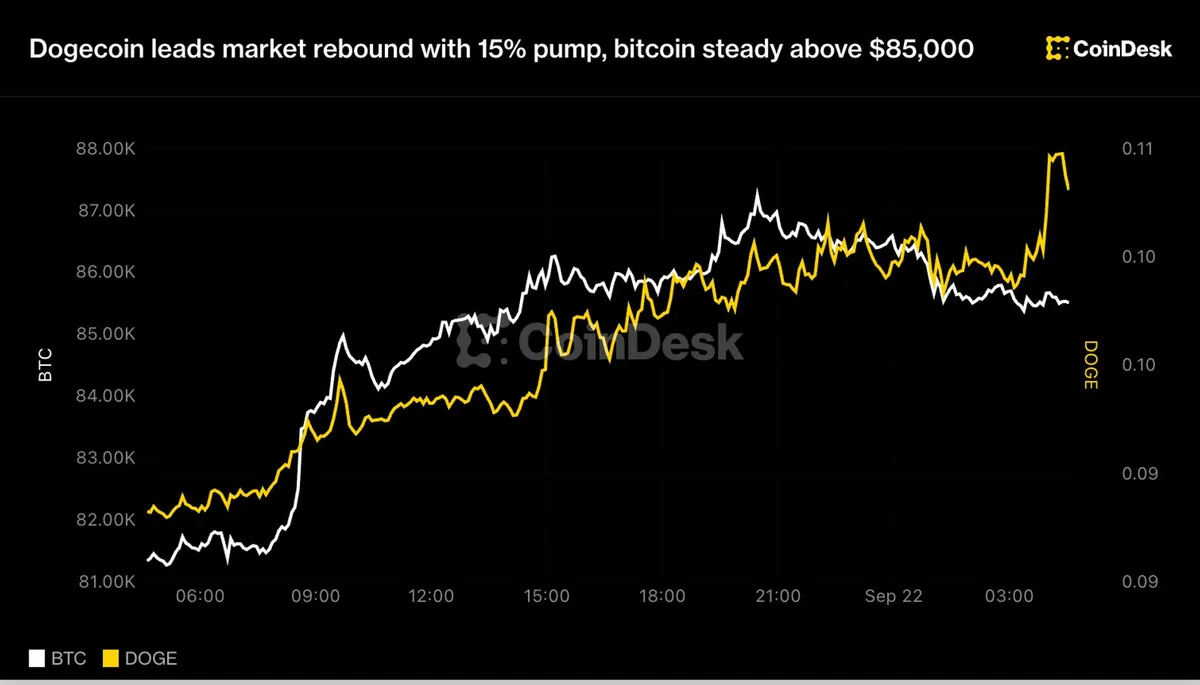
Dogecoin's 15% surge drives market recovery as bitcoin stabilizes above $85,000

Cardano adds tools for AI agent payments, joining Solana and XRP Ledger

Trueo prediction market moves from Base to Ethereum