Solana's Alpenglow bug hunt requires 0.5 SOL fee for flaw reports
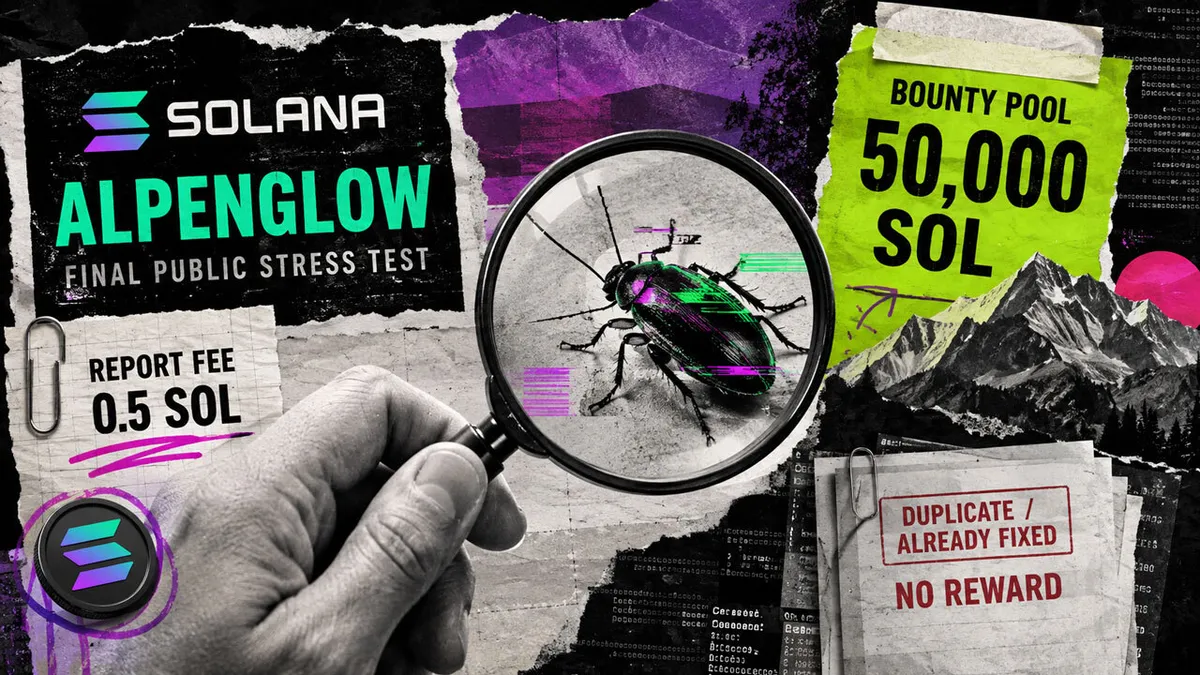
Solana has initiated its Alpenglow bug bounty program, which requires researchers to pay a fee of 0.5 SOL to submit reports of flaws. This innovative approach is designed to incentivize the discovery of vulnerabilities within the Solana network, but it also places a financial burden on contributors. The program has a ceiling of 50,000 SOL that researchers can earn based on the severity of the flaws they identify, adding an element of competition to the bug-hunting process.
The decision to charge for submissions stems from a desire to streamline the reporting process and filter out less serious claims. By requiring a monetary commitment, Solana aims to ensure that only serious researchers participate in the program. This move brings a fresh perspective to traditional bug bounty programs, which typically offer rewards without upfront costs. It also emphasizes the importance of quality over quantity in vulnerability disclosure.
This bug bounty program matters significantly for the market as it underscores Solana's commitment to security and stability. In an era where blockchain vulnerabilities can lead to substantial financial losses and erosion of trust, proactive measures to identify and rectify flaws are crucial. The financial commitment from researchers may deter frivolous submissions, thereby enhancing the program's overall effectiveness and potentially leading to a more secure ecosystem.
Industry reactions have varied, with some experts praising the model for its innovative approach to bug reporting, while others express concern about the potential barrier it creates for independent researchers. The requirement to pay a fee could discourage individuals without significant resources from participating, potentially limiting the diversity of submissions. However, proponents argue that it could lead to higher-quality reports from seasoned professionals who are willing to invest in their submissions.
Looking ahead, the success of the Alpenglow bug bounty program will depend on how well it balances the need for rigorous security assessments with accessibility for researchers. If successful, it could serve as a model for other blockchain platforms seeking to enhance their security posture while managing the risks associated with bug reporting. As the crypto space continues to evolve, initiatives like this highlight the ongoing need for robust security measures in maintaining user trust and platform integrity.

CoinMagnetic Team
Crypto investors since 2017. We trade with our own money and test every exchange ourselves.
Updated: August 2026
From our insights:
Related news

Stablecoin issuers have replaced 40% of China’s lost US Treasury demand
Independent Community Bankers of America sues U.S. regulator over crypto charters
Circle challenges MiCA's rigid reserve rules for stablecoin regulation

Jay Clayton's SEC legacy could influence future crypto regulations under Trump
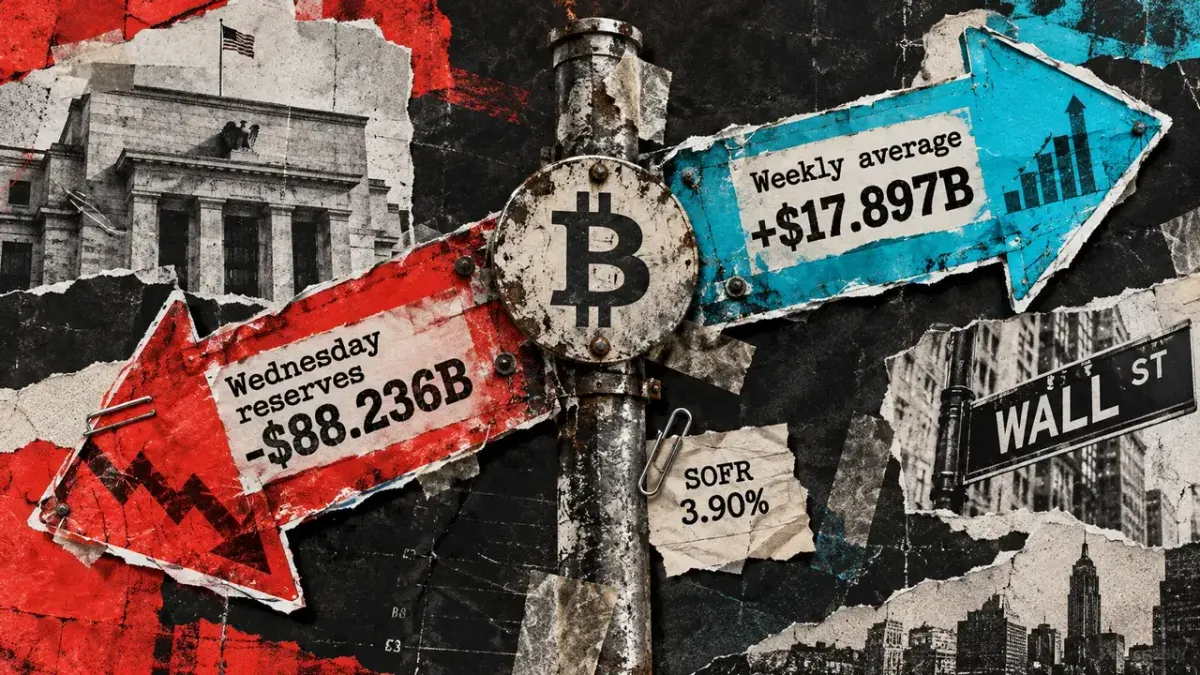
Massive $88 billion drop in bank reserves raises Bitcoin liquidity concerns