Solana Meme Coin Surges 6,000% After Creators Arrested Over 'Rug Pull'
The cryptocurrency market is buzzing with news surrounding the recent surge of the Solana-based meme coin, CatFi, which skyrocketed by an astonishing 6,000% following the arrest of its creators. This unprecedented price movement came after South Korean prosecutors took decisive action against the developers, bringing charges related to a rug pull–an event where developers abandon a project and take investors' funds with them. The case represents a significant shift in regulatory enforcement, as it marks the first application of South Korea's new Virtual Asset User Protection Act, aimed at safeguarding investors from fraudulent activities in the crypto space.
The background of this development reveals a growing concern regarding the integrity of cryptocurrency projects and the protection of investors. Rug pulls have become a notorious phenomenon within the crypto community, contributing to the loss of billions of dollars in investments. The introduction of the Virtual Asset User Protection Act earlier this year was intended to fortify the regulatory framework governing digital assets, empowering authorities to tackle fraudulent schemes more effectively. The CatFi case not only highlights the potential for regulatory actions but also serves as a bellwether for future enforcement in a space that has long been operating with minimal oversight.
This significant price surge of CatFi can be interpreted in a few ways. On one hand, the dramatic increase in its value may reflect a speculative frenzy among investors who often see such events as opportunities to capitalize on perceived undervalued assets. On the other hand, it raises concerns about market manipulation and the volatility that often accompanies meme coins. As the crypto market continues to evolve, the implications of this case could extend beyond just CatFi, potentially influencing other projects and investors' confidence in the stability of the market.
Industry reactions have been mixed, with some experts applauding the swift action taken by South Korean authorities as a necessary step towards creating a safer environment for cryptocurrency investors. Others, however, have expressed skepticism about the long-term effectiveness of regulations, arguing that while enforcement actions may deter some bad actors, the decentralized nature of cryptocurrencies makes complete eradication of fraud nearly impossible. The CatFi incident serves as a reminder of the ongoing challenges within the crypto industry, where the balance between innovation and regulation remains delicate.
Looking ahead, the implications of this case may prompt further scrutiny of other meme coins and projects operating in similar territories. As regulators worldwide observe the effectiveness of the Virtual Asset User Protection Act, we may see a broader trend toward increased enforcement actions against fraudulent activities in the cryptocurrency space. Investors and developers alike will need to adapt to this evolving landscape, as the potential for regulatory crackdowns could reshape the dynamics of how projects are launched and managed. As the dust settles from this incident, it will be crucial to monitor how these changes impact investor behavior and market trends in the months to come.

CoinMagnetic Team
Crypto investors since 2017. We trade with our own money and test every exchange ourselves.
Updated: May 2026
From our insights:
Related news

Crypto firms put $206 million behind the midterms: here’s who their political machine is backing
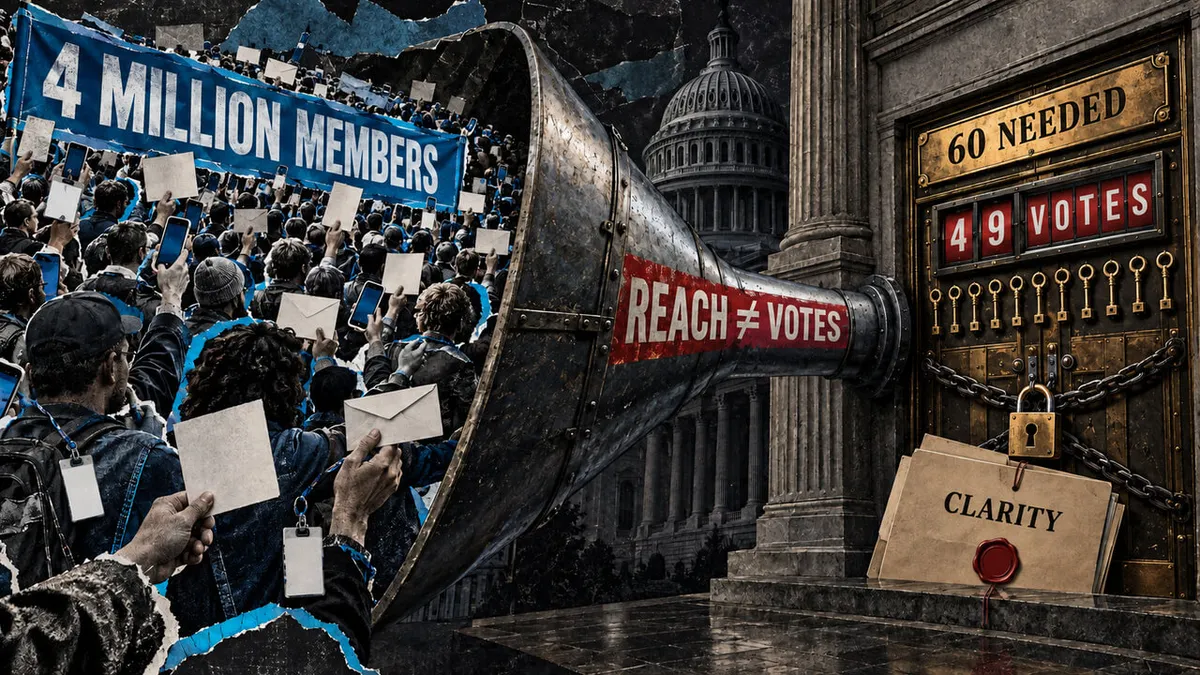
Stand With Crypto’s 4 million registered advocates couldn’t get the CLARITY Act through the Senate
Kakao Pay, KakaoBank to explore stablecoin opportunities with Fireblocks
US Attorney's investigation into Binance focuses on Iran sanctions compliance

ECB initiates wholesale digital euro for banks and tokenized bond purchases