Solana just boosted block capacity by a massive 66%, but the one bottleneck infuriating traders hasn’t budged

Solana has recently made headlines by increasing its block capacity by an impressive 66%, a move that is expected to enhance the network's overall performance significantly. This expansion raises the ceiling to 100 million compute units (CUs), which theoretically allows for a greater number of transactions to be processed simultaneously. However, despite this advancement, one critical bottleneck remains unchanged–the capacity for transactions targeting the same writable state. This limitation continues to frustrate traders and developers, as it constrains the potential benefits of the increased block capacity.
To understand the significance of this development, it's essential to consider Solana's architecture and its rapid rise in the blockchain ecosystem. Known for its high throughput and low transaction costs, Solana has garnered attention as a preferred platform for decentralized applications (dApps) and various DeFi projects. However, the network has faced challenges related to congestion and transaction finality, issues that have prompted ongoing discussions about scalability. By boosting block capacity, Solana aims to address some of these concerns while continuing to position itself as a competitive player in the crypto space.
This enhancement in block capacity is vital for the market, as it signals Solana's commitment to improving its infrastructure. The increase could lead to a more efficient transaction processing environment, potentially attracting more developers and users to the platform. However, the unchanged bottleneck for transactions targeting the same writable state raises questions about the practicality of these improvements. If the core issue remains unresolved, it may limit the overall effectiveness of this capacity boost, leading to ongoing frustrations among users and developers.
Industry reactions to this news have been mixed, with some experts praising Solana's efforts to scale while others express skepticism regarding the unresolved bottleneck. Analysts suggest that while the increase in block capacity is a step in the right direction, it may not be sufficient to address the broader issues of network congestion and transaction finality. Some developers have called for further innovations and optimizations to fully leverage the benefits of the new capacity, emphasizing the need for holistic solutions rather than piecemeal adjustments.
Looking ahead, Solana's team will likely focus on addressing the enduring bottleneck to maximize the impact of its capacity expansion. As they work to refine the network's performance, the crypto community will be watching closely to see how these changes translate into real-world improvements for users. The success of this initiative could not only bolster Solana's reputation but also influence broader market dynamics, particularly as competition among blockchain platforms continues to intensify.

CoinMagnetic Team
Crypto investors since 2017. We trade with our own money and test every exchange ourselves.
Updated: August 2026
From our insights:
Related news
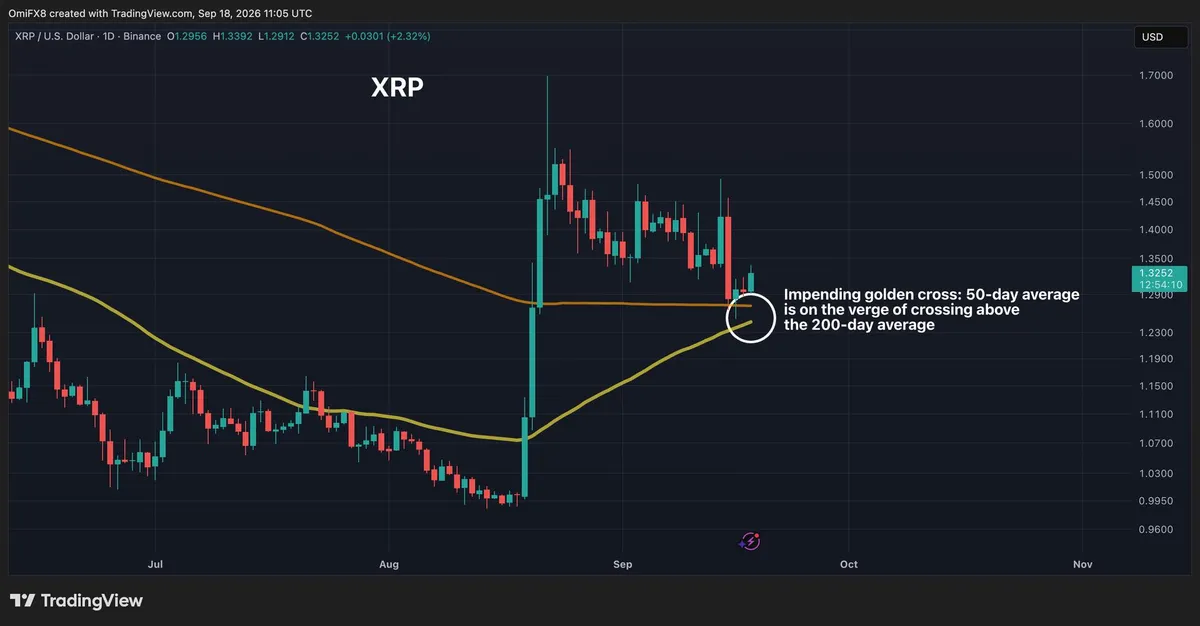
XRP nearing a golden cross as attention shifts to altcoins
Bitcoin bullish as Fisher Transform indicator shows rare crossover for fourth time
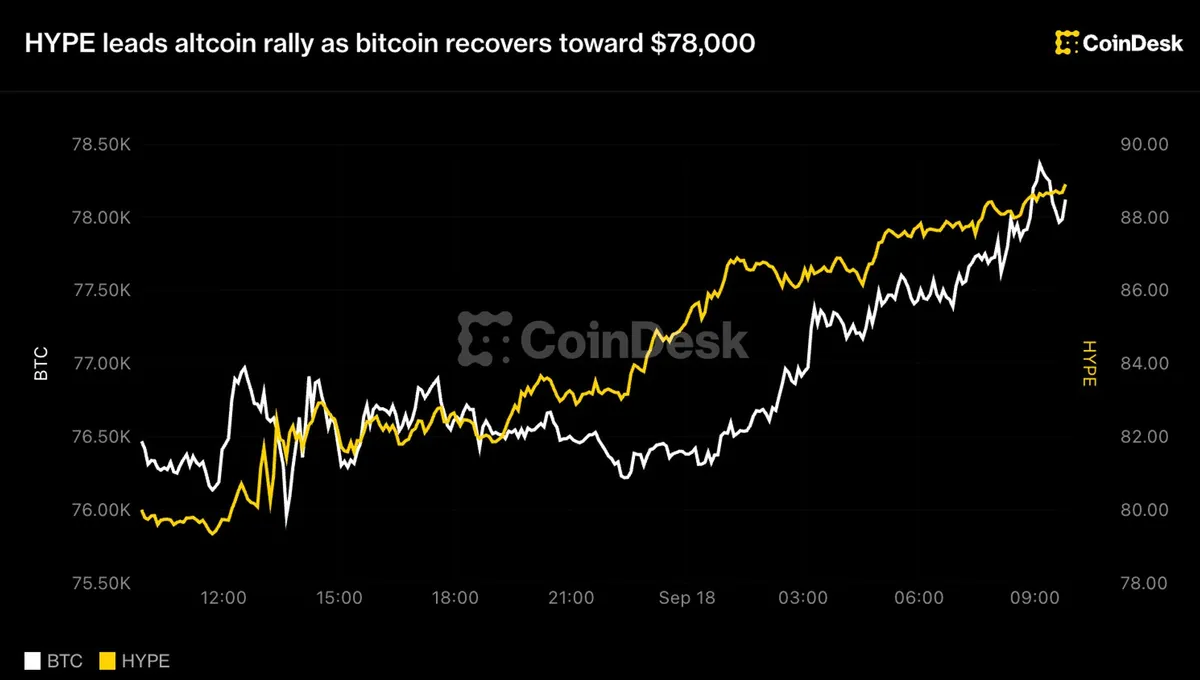
HYPE drives altcoin surge as bitcoin approaches $78,000 after recovery

Dtcpay secures $25 million funding to enhance payment offerings and merchant network

Analyst James Check suggests Bitcoin bottom may be at $58K after capitulations