Solana Foundation's new CISO warns AI is making crypto scams more convincing
The Solana Foundation has recently appointed Michael Coates as its new Chief Information Security Officer (CISO), who has raised alarms about the increasing sophistication of crypto scams fueled by artificial intelligence. Coates emphasized that the emergence of AI technologies is not only enhancing the capabilities of malicious actors but also complicating the security landscape for blockchain networks. He noted that the ability to create convincing fake identities and automated scam techniques powered by AI could lead to a significant uptick in fraudulent activities targeting unsuspecting users and investors within the crypto space.
To understand the implications of this development, it's essential to consider the broader context of cryptocurrency scams. Historically, scams in this space have evolved from simple phishing attacks to more elaborate schemes involving impersonation and social engineering. As the crypto market matures, so too have the tactics employed by scammers. With the rise of AI, these tactics are becoming more sophisticated, making it increasingly difficult for individuals and even established entities to discern genuine communications from fraudulent ones. Coates' insights highlight a crucial intersection of technology and security that demands urgent attention from all stakeholders in the crypto ecosystem.
The warning from the Solana Foundation's CISO carries significant weight for the market. As AI continues to permeate various sectors, the potential for its misuse in the cryptocurrency space poses a threat not just to individual investors but to the integrity of blockchain networks themselves. Increased scams could lead to a loss of confidence among users, resulting in diminished participation and investment in the market. This could, in turn, hinder the overall growth and innovation that the blockchain industry has been striving for, potentially stalling the technological advancements that many projects are working to achieve.
Industry reaction to Coates' statements has been one of concern and acknowledgment of the potential risks posed by AI. Experts in cybersecurity and blockchain have echoed his sentiments, emphasizing the need for enhanced security measures and educational initiatives to help users recognize and avoid scams. Some industry leaders are advocating for collaborative efforts among blockchain projects, exchanges, and regulatory bodies to develop standardized protocols aimed at combatting AI-driven scams. The sentiment is clear: as technology evolves, so too must our defenses against its misuse.
Looking ahead, it is likely that the Solana Foundation and other entities within the crypto space will prioritize the development of advanced security frameworks to address the challenges posed by AI. This may include investing in research to understand AI's capabilities and vulnerabilities, as well as creating tools to detect and mitigate fraudulent activities. As the landscape continues to shift, ongoing dialogue among industry players will be crucial in navigating the complexities introduced by AI and ensuring the resilience of the blockchain ecosystem against emerging threats.

CoinMagnetic Team
Crypto investors since 2017. We trade with our own money and test every exchange ourselves.
Updated: August 2026
From our insights:
Related news
House markup could advance long-awaited 'De Minimis' tax break for crypto
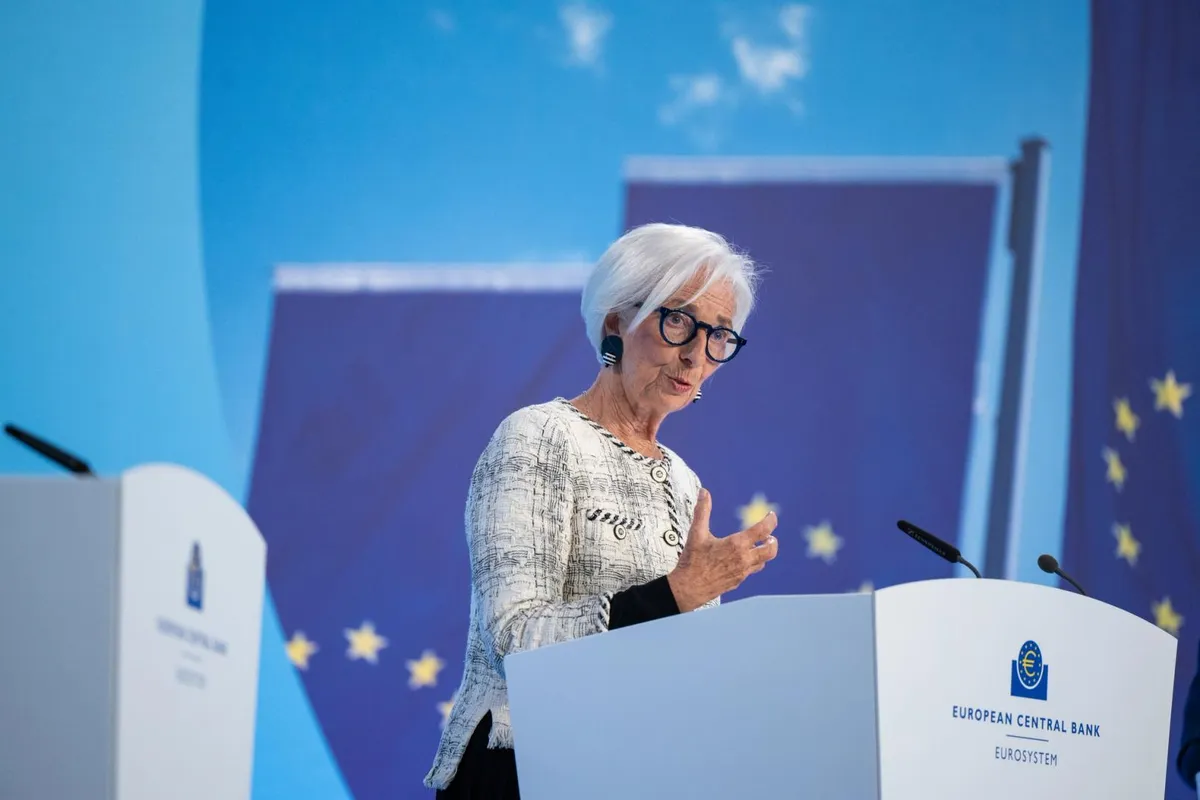
ECB invites merchants to join digital euro pilot program for 12 months

Clarity Act's passage likelihood declines as Republicans dismiss Democrats' proposal
Clarity Act's chances dim as crypto majors react to Democrat pushback
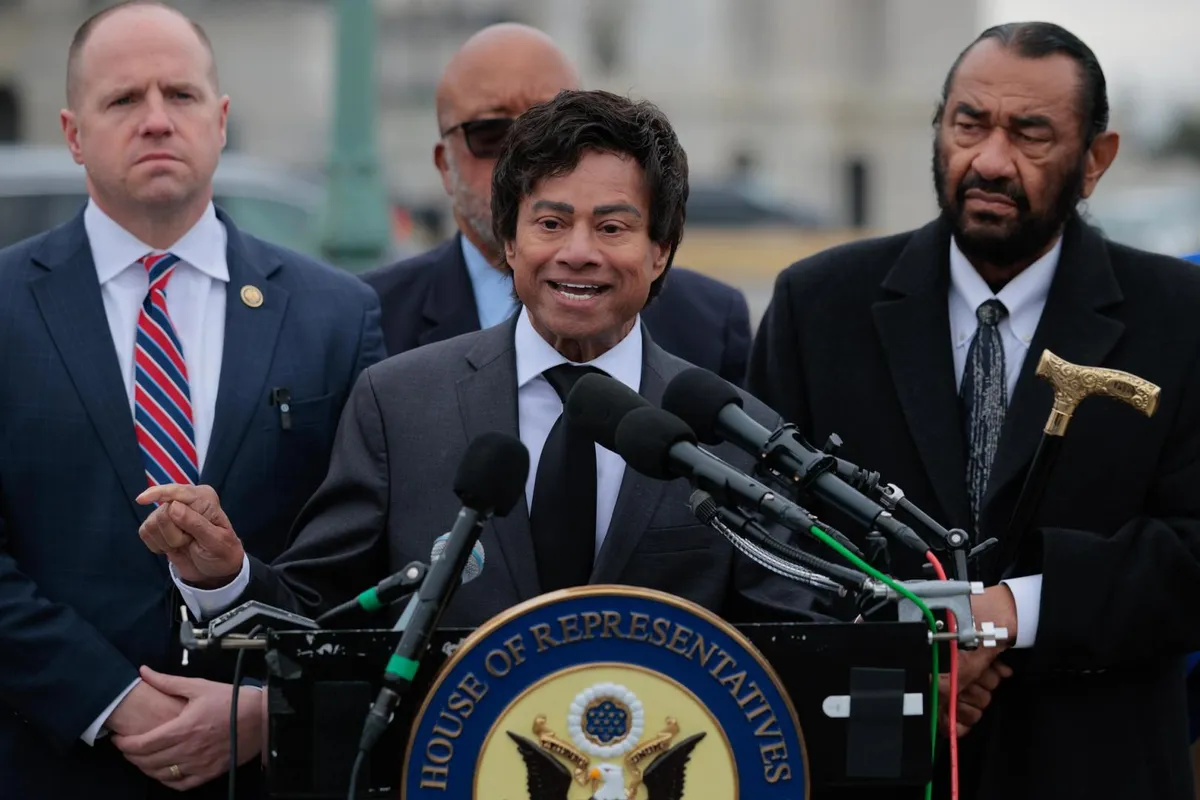
Rep. Thanedar emphasizes urgency of passing the Clarity Act for innovation