Solana developers outline plan to protect network from quantum threats

In a significant development for the Solana network, two of its core developer teams–Anza and Jump Crypto's Firedancer–have announced a collaborative plan to enhance the network's security against potential quantum computing threats. The teams are advocating for the implementation of a new type of digital signature known as Falcon, which is designed to provide robust protection against the capabilities of quantum computers. This move comes amid growing concerns in the crypto community regarding the potential for quantum technology to break existing cryptographic standards, thereby jeopardizing the integrity of blockchain networks.
The context surrounding this initiative is rooted in the rapid advancements in quantum computing technology, which could soon surpass classical computing capabilities. While quantum computers are not yet widely available, experts in the field warn that their development is progressing at an accelerated pace. Current cryptographic systems, including those used by many blockchain networks, rely on mathematical problems that could be easily solved by quantum algorithms. As a response, the cryptocurrency industry has been exploring various solutions to future-proof its infrastructure against these emerging threats.
This initiative matters not just for Solana but for the broader cryptocurrency market as well. The adoption of quantum-resistant technologies like Falcon could set a precedent for other blockchain networks to follow suit. If successful, this could enhance confidence among users and investors, as security is paramount in a landscape where breaches can lead to significant financial losses. Moreover, showcasing proactive measures against quantum threats could position Solana as a leader in blockchain security, attracting more developers and projects to its ecosystem.
Industry reactions to this announcement have been largely positive, with experts acknowledging the necessity of preparing for quantum challenges. Some have praised the collaboration between Anza and Firedancer, viewing it as a proactive approach that underscores the importance of security in the blockchain space. Others in the industry have called for further research and development to ensure that the implementation of Falcon is not only effective but also efficient in terms of performance and scalability.
Looking ahead, the successful integration of Falcon into the Solana network could serve as a benchmark for other platforms grappling with similar security concerns. The next steps will involve rigorous testing and validation of the new digital signature scheme, as well as community discussions to ensure a smooth transition. As quantum computing continues to evolve, it is imperative for the crypto industry to remain vigilant and agile, adapting its security measures to safeguard against potential risks that lie ahead.

CoinMagnetic Team
Crypto investors since 2017. We trade with our own money and test every exchange ourselves.
Updated: April 2026
From our insights:
Related news
OpenAI cuts prices 50% on mid-tier models as Anthropic unveils Claude Opus 5.5

Bernstein revises prediction markets to $10 trillion by 2035, up from $1 trillion
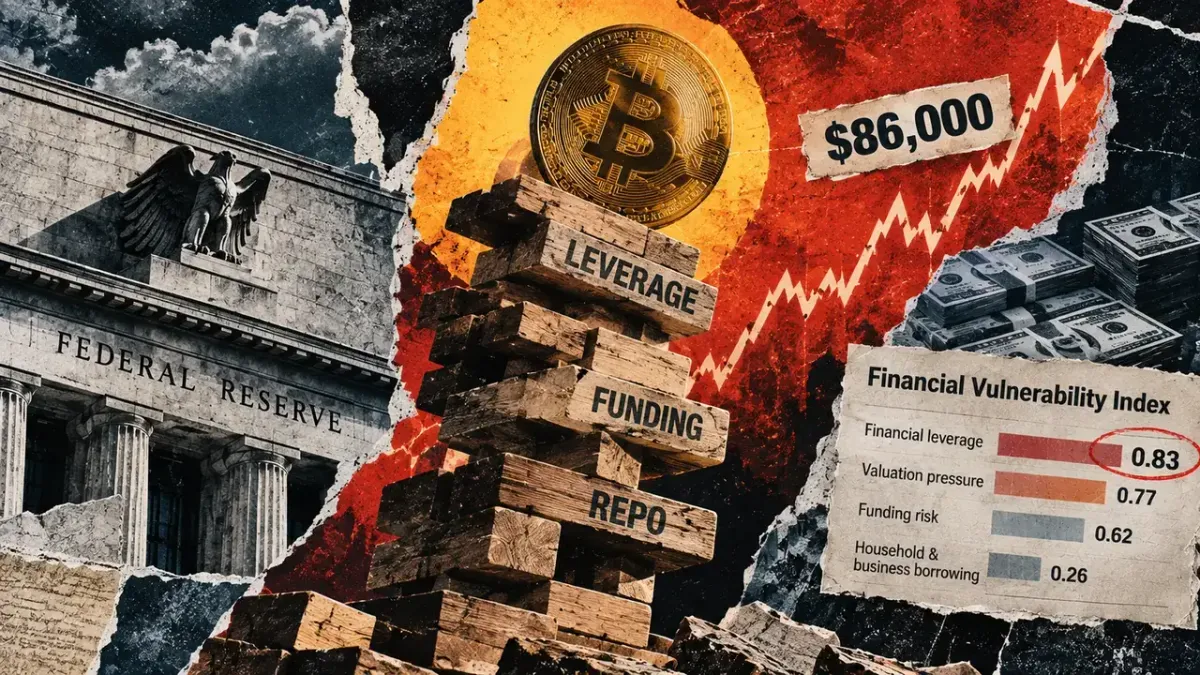
New Fed data reveals potential dangers in Bitcoin's rally
Anthropic’s New Claude Opus 5.5 Matches Fable at 60% the Price

Elon Musk's influence drives Dogecoin to highest price in months