SoFi’s crypto relaunch brought in $121.6 million in Q1. Almost all of it went to costs

SoFi has made headlines recently with its relaunch of crypto services, reporting an impressive $121.6 million in revenue during the first quarter. This surge in earnings primarily stems from the introduction of the SoFiUSD stablecoin, designed specifically for enterprise payments, which launched in December. In addition to this, SoFi has formed a strategic partnership with Mastercard to enhance its settlement capabilities, further positioning itself in the competitive crypto market. However, despite the significant revenue figures, it's worth noting that nearly all of this income was allocated to covering operational costs, raising questions about the sustainability of profitability in the long run.
To understand SoFi's current position, we need to consider the broader context of the crypto landscape. Following the tumultuous market conditions of 2022, many financial institutions have been reevaluating their strategies regarding digital assets. SoFi's pivot to launching its own stablecoin highlights a growing trend among fintech companies aiming to integrate crypto solutions into traditional financial services. The partnership with Mastercard also showcases the increasing collaboration between established financial entities and crypto firms, suggesting a potential shift toward more mainstream adoption of digital currencies.
The significance of SoFi's revenue figures lies in what they indicate about investor interest and the potential for growth in the crypto sector. The substantial inflow of $121.6 million could signal a renewed confidence in crypto services, especially as the market stabilizes from previous downturns. However, the high operational costs associated with launching new products and maintaining compliance also reflect the challenges that come with navigating the regulatory landscape and ensuring robust security measures. As the market continues to evolve, how companies like SoFi manage these costs will be crucial in determining their long-term viability.
Industry reactions to SoFi's performance have been mixed, with some experts expressing optimism about the company's innovative approach, while others caution about the sustainability of such a revenue model. Analysts emphasize the importance of profitability, noting that high initial earnings can be misleading if they are primarily offset by equally high costs. The partnership with Mastercard is viewed positively, as it enhances SoFi's credibility in the market and may help to streamline operations. However, skeptics warn that without a clear path to profitability, even successful launches could falter.
Looking ahead, the next steps for SoFi will be critical as it seeks to balance its operational expenditures with the need to attract and retain customers. The company's ability to effectively leverage its partnership with Mastercard and to innovate beyond the initial launch of SoFiUSD will be vital. As competitors also vie for market share in the increasingly crowded crypto space, SoFi must not only focus on generating revenue but also on creating sustainable business practices that can withstand the inherent volatility of the crypto market.

CoinMagnetic Team
Crypto investors since 2017. We trade with our own money and test every exchange ourselves.
Updated: May 2026
From our insights:
Related news
SoFi begins stablecoin settlement on Mastercard network for program expected to exceed $25 billion in annualized volume

A $3.2 million 'bitcoin butterfly' option trade bets on $95,000 by the end of October

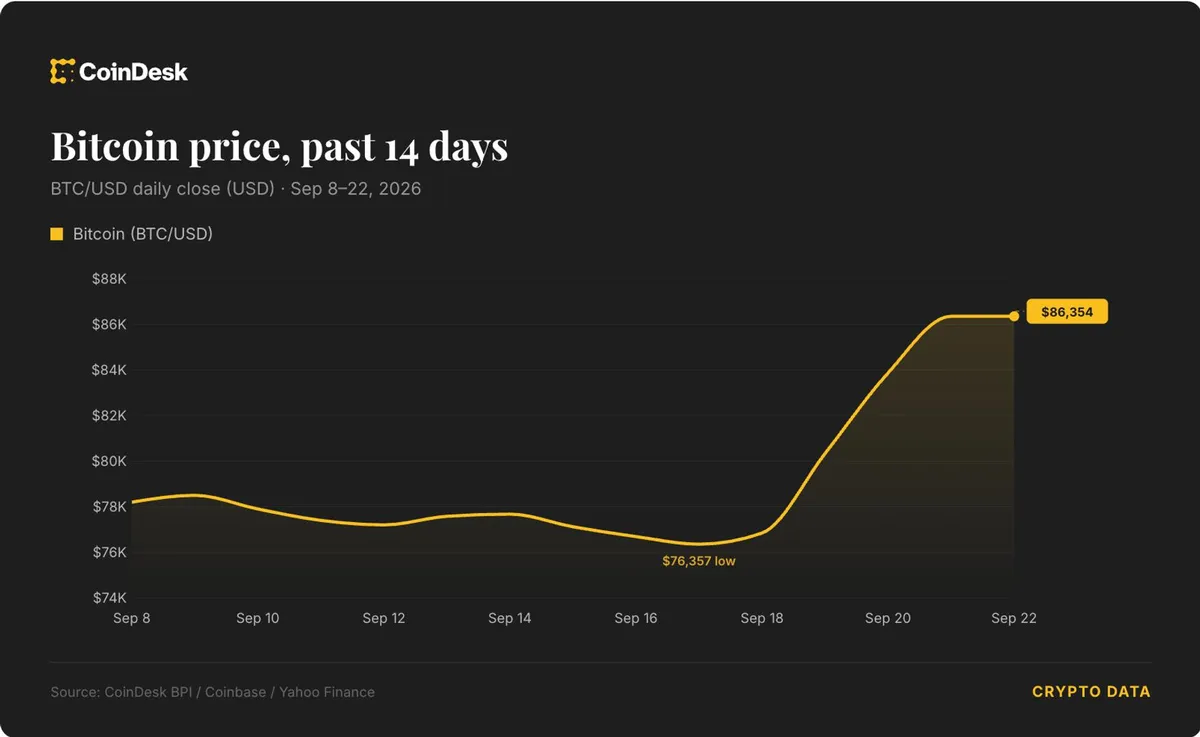
Bitcoin surges past $86,000 as $1 billion in shorts are liquidated, eyes on $90,000
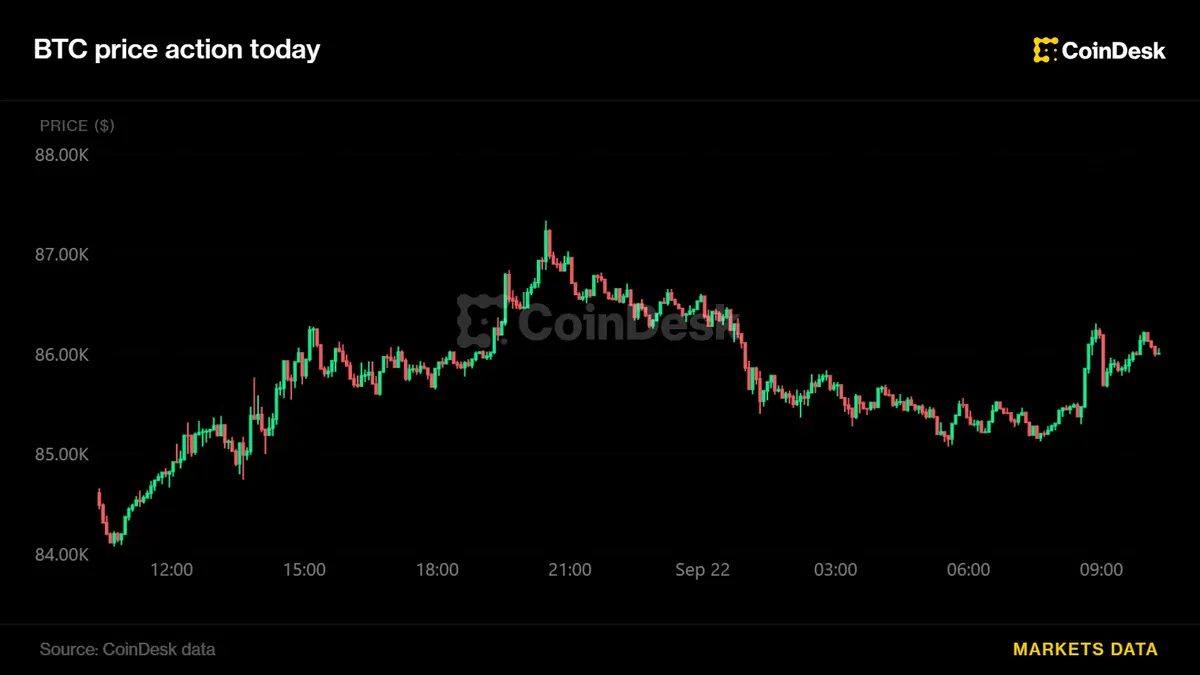
Bitcoin bounces back to $86,000 as oil prices decline and stocks rise

Prediction markets projected to reach $10 trillion by 2035, surpassing sports