Programmable AI deposits might push banks to increase loan rates for borrowers
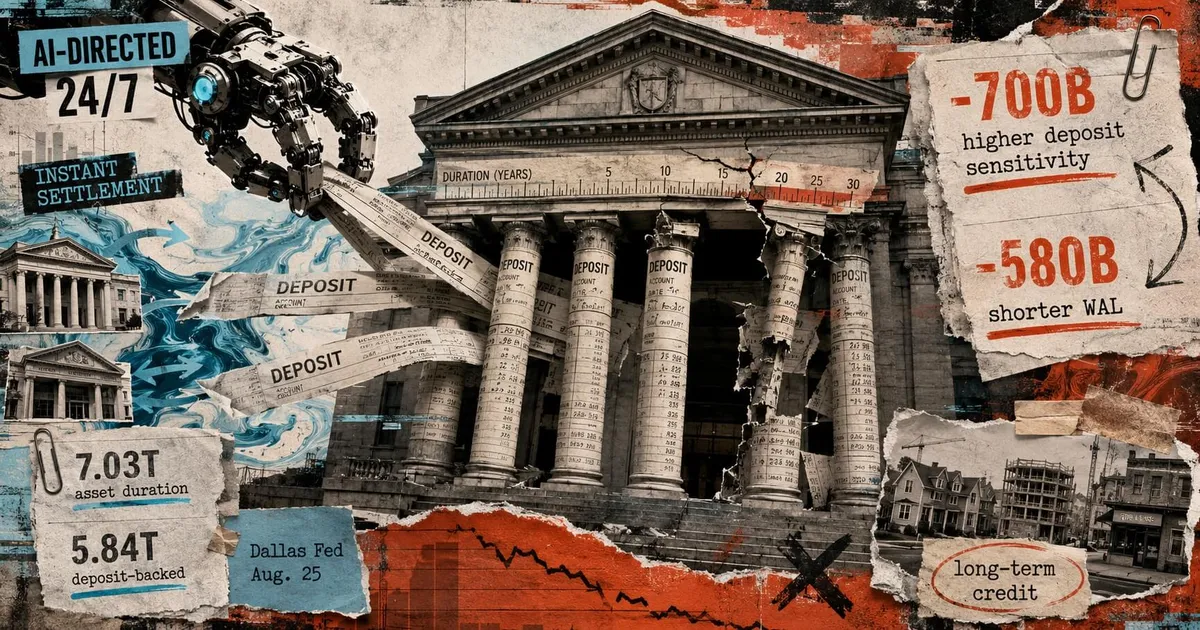
Recent analyses suggest that the advent of smart AI deposits may compel banks to raise interest rates on loans for everyday borrowers. A sensitivity case indicates that the rapid and programmable switching associated with these deposits could diminish banks’ capacity to manage their interest rates effectively. This change is projected to impact the interest rate environment significantly, particularly in 10-year equivalents, rather than merely affecting loan balances directly.
The concept of smart AI deposits is rooted in the evolving technology landscape where artificial intelligence enhances financial operations. Banks have traditionally relied on customer deposits to fund loans, influencing their interest rate strategies. However, the introduction of programmable deposits, which can be switched or allocated rapidly, disrupts this conventional model. This could limit banks' ability to maintain lower interest rates as they adjust to the swift movements of funds through AI-driven mechanisms.
This situation is crucial for the market as it could lead to increased borrowing costs for consumers and businesses alike. If banks are forced to raise loan rates, it could dampen demand for loans, potentially slowing down economic activity. Higher loan rates could also affect various sectors, particularly those reliant on credit for expansion or operational needs. As consumers face increased costs, the ripple effect could be felt throughout the economy, leading to broader financial implications.
Industry experts are weighing in on the potential consequences of this development. Some believe that while smart AI deposits could enhance efficiency in financial transactions, they may inadvertently lead to tighter credit conditions. Others argue that banks may need to adapt their business models to embrace these technological changes while still ensuring competitive lending rates. The ongoing discourse among financial analysts indicates a recognition of the delicate balance banks must strike in leveraging technology while serving their customer base.
Looking ahead, the financial landscape may see a transformation as banks respond to the pressures of smart AI deposits. Monitoring how banks adjust their interest rate policies and the broader implications for borrowers will be essential. As financial institutions navigate this evolving scenario, the balance between innovation and customer service will likely define the future of lending practices.

CoinMagnetic Team
Crypto investors since 2017. We trade with our own money and test every exchange ourselves.
Updated: August 2026
From our insights:
Related news

IMF spots rising demand for tokenized stocks amid persistent market risks

Coldcard investigates unauthorized link breach on its official X account

Kalshi reviews three Trump press secretary bets totaling 173 dollars ahead of official news

French committee adopts stablecoin swap and exit taxes before rejecting budget

CFTC seeks to classify event contracts as swaps amid ongoing legal battles