Sharplink CEO says ETH treasury firms are diverging from Strategy model as Ethereum’s tokenization role expands

In a recent statement, Joseph Chalom, CEO of Sharplink, highlighted a notable shift among Ethereum treasury firms as they begin to diverge from traditional strategies in response to the growing institutional adoption of tokenization. Chalom emphasized that this trend could significantly enhance Ethereum’s position as a key infrastructure layer for on-chain assets. As more institutions recognize the potential of tokenization–transforming real-world assets into digital representations on the blockchain–Ethereum is poised to play an increasingly critical role in this evolving landscape.
To understand the implications of Chalom's comments, it's essential to consider the broader context of Ethereum's development. Originally designed as a platform for decentralized applications (dApps) and smart contracts, Ethereum has steadily evolved, gaining traction among financial institutions interested in leveraging blockchain technology for asset management. The concept of tokenization–where assets such as real estate, art, or even stocks are converted into digital tokens on the blockchain–has gained momentum, and Ethereum's robust network is often seen as the most viable option for executing such transactions.
This divergence from established treasury strategies among firms indicates a significant shift in how these entities view their role within the crypto ecosystem. As institutional players increasingly adopt tokenization, the demand for secure and scalable blockchain solutions grows, reinforcing Ethereum's market position. This could lead to increased investment in Ethereum-based projects and technologies, further driving adoption and potentially impacting the price of ETH itself. The evolving landscape may also attract new investors who are keen to capitalize on the benefits of tokenized assets.
Industry experts have reacted positively to Chalom's insights, suggesting that this shift could signal a broader transformation within the financial landscape. Many believe that as more firms pivot toward embracing tokenization, Ethereum will solidify its reputation as a leading platform for innovation in the blockchain space. Analysts note that this could lead to increased collaboration between traditional finance and the crypto industry, fostering an environment ripe for growth and development.
Looking ahead, we anticipate that this trend will continue to gain traction, prompting more treasury firms to reassess their strategies in light of the expanding role of Ethereum in the tokenization of assets. As institutional interest continues to grow, we may see further advancements in Ethereum's infrastructure to support these new use cases. This could set the stage for a more integrated financial ecosystem where traditional assets are seamlessly connected with the burgeoning world of decentralized finance, ultimately reshaping how we think about value and ownership in the digital age.

CoinMagnetic Team
Crypto investors since 2017. We trade with our own money and test every exchange ourselves.
Updated: May 2026
From our insights:
Related news

Bitcoin's weekly close above $81,000 signals potential rise to $90,000

Elon Musk's X integrates bitcoin trading options for U.S. users
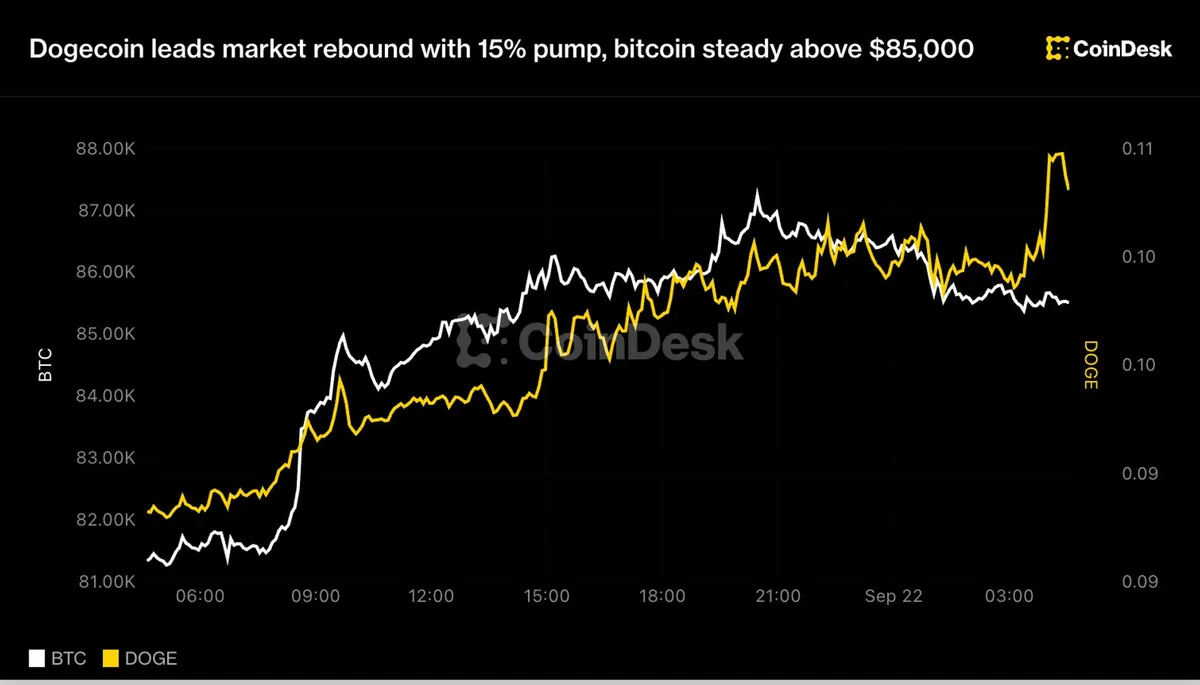
Dogecoin's 15% surge drives market recovery as bitcoin stabilizes above $85,000

Cardano adds tools for AI agent payments, joining Solana and XRP Ledger

Trueo prediction market moves from Base to Ethereum