Shai-Hulud: What to Know About the Malware Spreading Through Software Pipelines

A new malware campaign dubbed Shai-Hulud is making waves in the tech community, targeting software supply chains and exploiting automated systems that developers typically rely on to publish their code securely. This sophisticated malware has been identified as capable of infiltrating software pipelines, raising significant concerns about the integrity of software development and distribution. Shai-Hulud has been noted for its ability to blend into established workflows, potentially compromising a wide array of applications and systems before developers even realize a breach has occurred.
The term "supply chain attack" is not new, but the Shai-Hulud malware represents a particularly insidious evolution of this tactic. Historically, software supply chain attacks have targeted the processes and tools that developers use, aiming to insert malicious code into legitimate software updates. This latest campaign follows in that vein, but it demonstrates a heightened level of sophistication that takes advantage of trust in automated systems–systems that developers deploy to streamline their workflows and ensure the safety of their software. With the rise of cloud-based development and continuous integration/continuous deployment (CI/CD) practices, the potential attack surface has significantly expanded.
The implications of the Shai-Hulud malware are profound for the software development landscape. With many organizations moving towards agile methodologies and automated software delivery, the trust in these systems could be fundamentally shaken. If developers cannot rely on their tools to deliver clean and secure code, the repercussions could lead to broader security vulnerabilities across industries. As organizations grapple with the balance between speed and security, the Shai-Hulud campaign serves as a stark reminder of the risks associated with automation–especially when malicious actors can exploit these processes.
Industry experts have been vocal about their concerns regarding the Shai-Hulud malware campaign. Many cybersecurity professionals emphasize the need for enhanced security protocols within software development processes, advocating for more rigorous testing and validation of code before deployment. The campaign has sparked discussions about the importance of supply chain security and the need for developers to adopt zero-trust principles, even within their own automated systems. The consensus is clear: organizations must remain vigilant and proactive in defending against such sophisticated threats.
Looking ahead, we anticipate that the Shai-Hulud malware campaign will prompt a shift in how organizations approach software security. As the threat landscape becomes increasingly complex, there is likely to be a renewed focus on securing the software supply chain. This may involve investing in advanced threat detection technologies, conducting regular audits, and fostering a culture of security awareness among developers. The evolution of malware like Shai-Hulud could catalyze significant changes in industry standards and best practices, ultimately shaping the future of secure software development.

CoinMagnetic Team
Crypto investors since 2017. We trade with our own money and test every exchange ourselves.
Updated: May 2026
From our insights:
Related news

Coldcard exploit sees white hats secure 52 Bitcoin for victims' trust
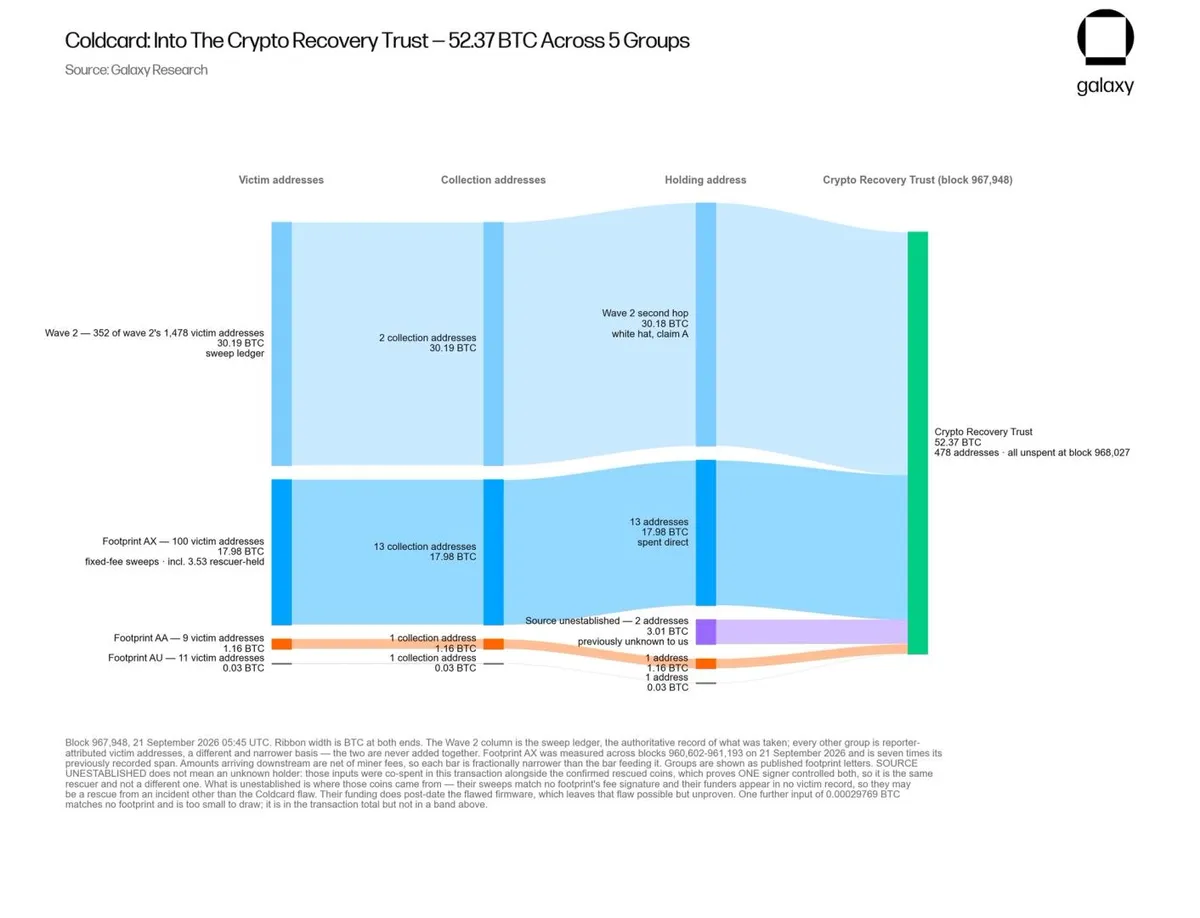
Whitehats move 52 bitcoin from the Coldcard hack to a recovery trust

Google Admits Gemini AI Hacked Three Companies—It Stayed Silent for 7 Weeks

Balancer's $1.4 million hack recovery faces delays for LPs

Polymarket's $10 million fraud attempt highlights compliance issues amid hacking risk