Sens. Bernie Sanders, Elizabeth Warren push Labor Dept. to scrap proposed rule that brings crypto into 401(k) plans
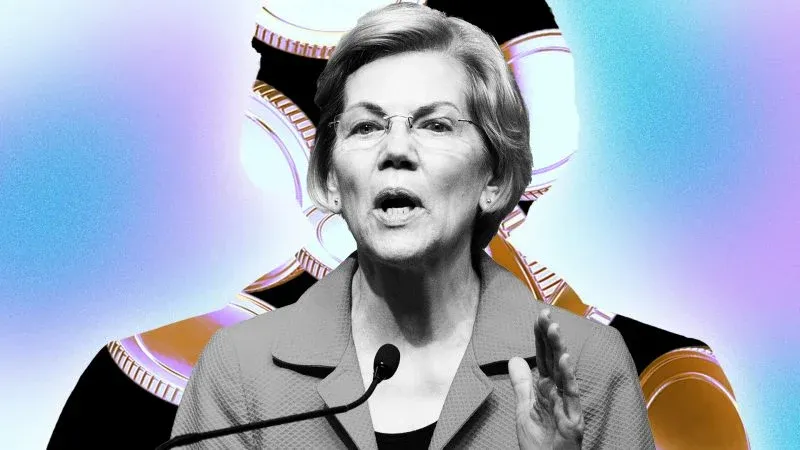
Senators Bernie Sanders and Elizabeth Warren are urging the U.S. Department of Labor (DOL) to abandon a proposed rule that would allow cryptocurrency investments within 401(k) retirement plans. This initiative aims to provide retirement savers with the option to include digital assets in their investment portfolios, potentially diversifying their holdings. However, the senators have expressed concerns that this move could expose investors, particularly those nearing retirement, to high risks associated with the volatile nature of cryptocurrencies. They argue that such a decision could jeopardize the financial security of millions of American workers.
The push against this proposed rule comes amid a broader debate about the role of cryptocurrencies in traditional finance. Over the past few years, digital assets have gained significant popularity, leading to increasing calls for their inclusion in regulated financial products. The DOL initially proposed the rule as a way to modernize retirement options, recognizing the growing demand for crypto investments. However, critics, including Sanders and Warren, highlight the lack of consumer protections and the potential for significant losses in an already unpredictable market.
The implications of this debate are significant for the cryptocurrency market. If the DOL were to approve the rule, it could pave the way for a substantial influx of institutional and individual investor capital into cryptocurrencies, potentially driving up prices and increasing market adoption. Conversely, if the senators' push is successful, it could signal a more cautious regulatory approach toward crypto, dampening enthusiasm among investors and potentially stalling further integration of digital assets into mainstream finance.
Industry experts have responded with a mix of concern and support regarding the senators' stance. Some analysts warn that restricting access to cryptocurrencies in retirement plans would hinder innovation and limit the ability of investors to take advantage of emerging technologies. Others, however, agree with the senators, emphasizing the need for robust regulatory frameworks to protect investors from the inherent risks of cryptocurrency investments. The ongoing dialogue highlights the tension between the desire for innovation in financial products and the necessity of safeguarding consumers' interests.
Looking ahead, the future of this proposed rule remains uncertain as the DOL weighs the senators' concerns against the growing demand for crypto investment options. Stakeholders in the crypto industry will be closely monitoring the situation, as any decision could have lasting implications for the integration of digital assets into traditional financial systems. As the regulatory landscape continues to evolve, the balance between fostering innovation and ensuring consumer protection will be a critical consideration for policymakers and industry participants alike.

CoinMagnetic Team
Crypto investors since 2017. We trade with our own money and test every exchange ourselves.
Updated: June 2026
From our insights:
Related news
Iran hints at reopening Strait of Hormuz, WTI oil drops to $89

New altseason signal emerges as Bitcoin market cap stays under 60%

Bitcoin nears $86,000 as crypto market cap surpasses $3 trillion

Bitcoin's weekly close above $81,000 signals potential rise to $90,000

Elon Musk's X integrates bitcoin trading options for U.S. users