Senators Warren, Wyden Quiz Commerce Secretary Lutnick Over Tether Loan to Children’s Trust
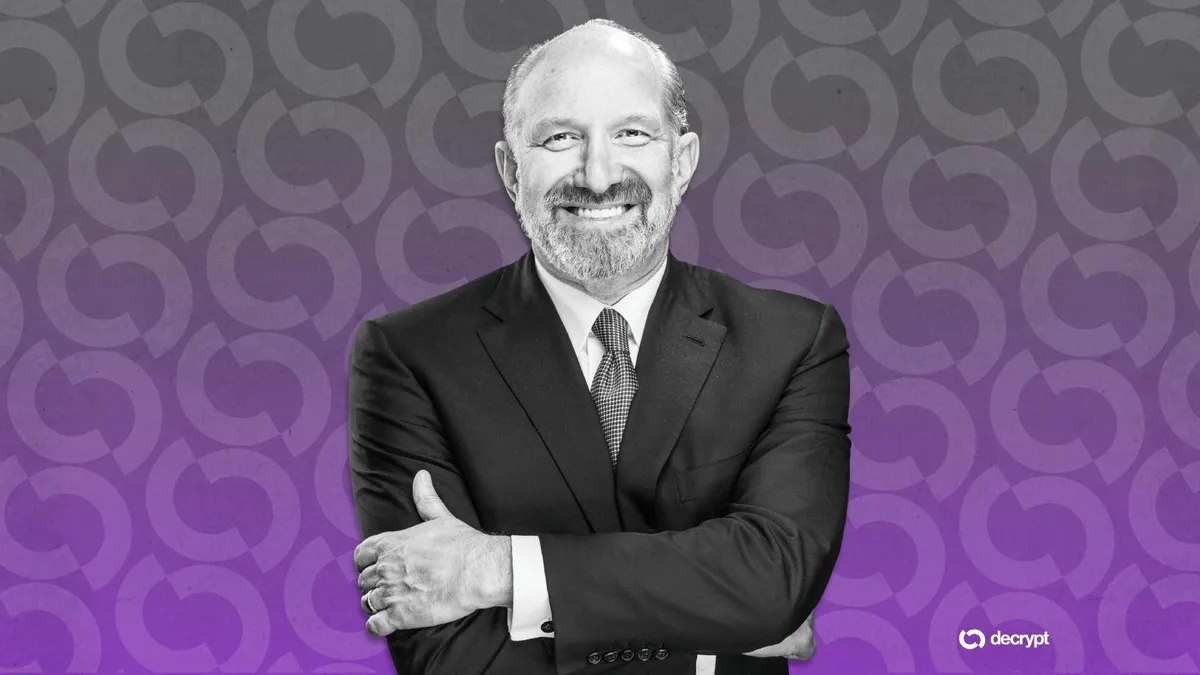
The ongoing scrutiny surrounding Tether has intensified as U.S. Senators Elizabeth Warren and Ron Wyden have directed questions towards Commerce Secretary Howard Lutnick regarding a loan taken by Dynasty Trust A, an entity that benefits Lutnick's children. The loan, the details of which remain undisclosed, has drawn attention given Tether's controversial reputation in the cryptocurrency space. Senators Warren and Wyden's inquiries are part of a broader effort to ensure transparency and accountability within the financial dealings involving stablecoin issuers, particularly in light of increasing regulatory focus on the crypto industry.
The backdrop of this inquiry is steeped in Tether's history of opacity and allegations of lacking sufficient reserves to back its stablecoin, USDT. Tether has faced criticism for not providing complete transparency about its reserves and for its connections to various financial entities. As the stablecoin market continues to grow, regulators have amplified their efforts to ensure that these financial instruments are adequately backed and do not pose systemic risks to the broader economy. The involvement of a high-profile figure like Lutnick in this matter adds another layer of complexity to the ongoing regulatory landscape.
This situation holds significant implications for the cryptocurrency market, particularly concerning the trust and stability of stablecoins. If the loan is found to raise conflicts of interest or regulatory concerns, it could lead to increased scrutiny of Tether and similar entities. This could, in turn, affect investor confidence and the overall market perception of stablecoins, which play a crucial role in facilitating trading and liquidity in the crypto ecosystem. As stablecoins like USDT are widely used for transactions and trading pairs, any regulatory backlash could have a ripple effect throughout the cryptocurrency markets.
Industry experts have weighed in on the situation, highlighting the potential ramifications of such high-profile scrutiny. Some analysts suggest that this inquiry could signal a shift toward stricter regulations for stablecoin issuers, particularly if lawmakers determine that existing frameworks are insufficient to ensure consumer protection and market integrity. Others express concern that excessive regulation could stifle innovation in the burgeoning cryptocurrency space, warning that a balance must be struck to foster growth while ensuring safety.
Looking ahead, the next steps in this unfolding scenario remain uncertain. As the Senators continue their investigation, it will be crucial to observe how Tether and other stablecoin issuers respond to these inquiries. Additionally, the broader regulatory landscape is likely to evolve as lawmakers consider the implications of stablecoin use in the financial system. The outcome of this probe could set important precedents for the future of stablecoins and their role in both the cryptocurrency market and the traditional financial ecosystem.

CoinMagnetic Team
Crypto investors since 2017. We trade with our own money and test every exchange ourselves.
Updated: May 2026
From our insights:
Related news

ECB and EU central banks propose liquidity thresholds for stablecoins
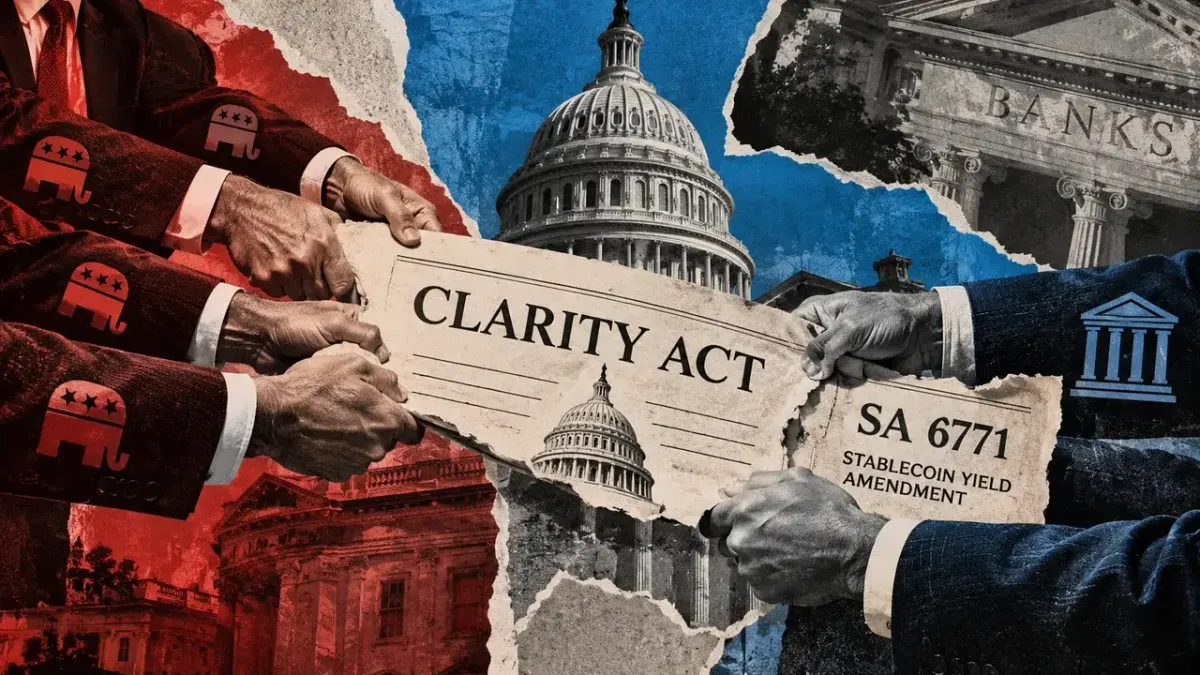
Four GOP senators backing CLARITY Act seek changes to stablecoin provisions
US investigates Binance for potential Iran-linked trading violations
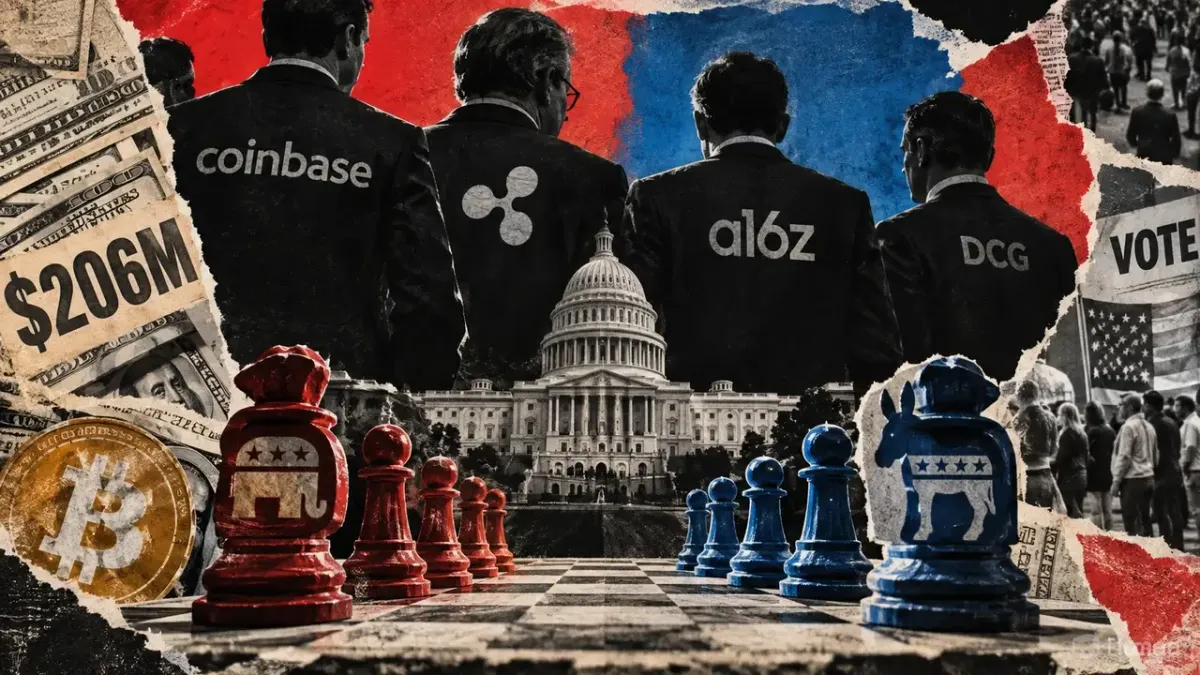
Crypto sector emerges as top donor with $206 million in midterms backing

Stand With Crypto’s 4 million registered advocates couldn’t get the CLARITY Act through the Senate