Senators Demand Answers From CFTC Over Alleged Polymarket Deceptive Advertising
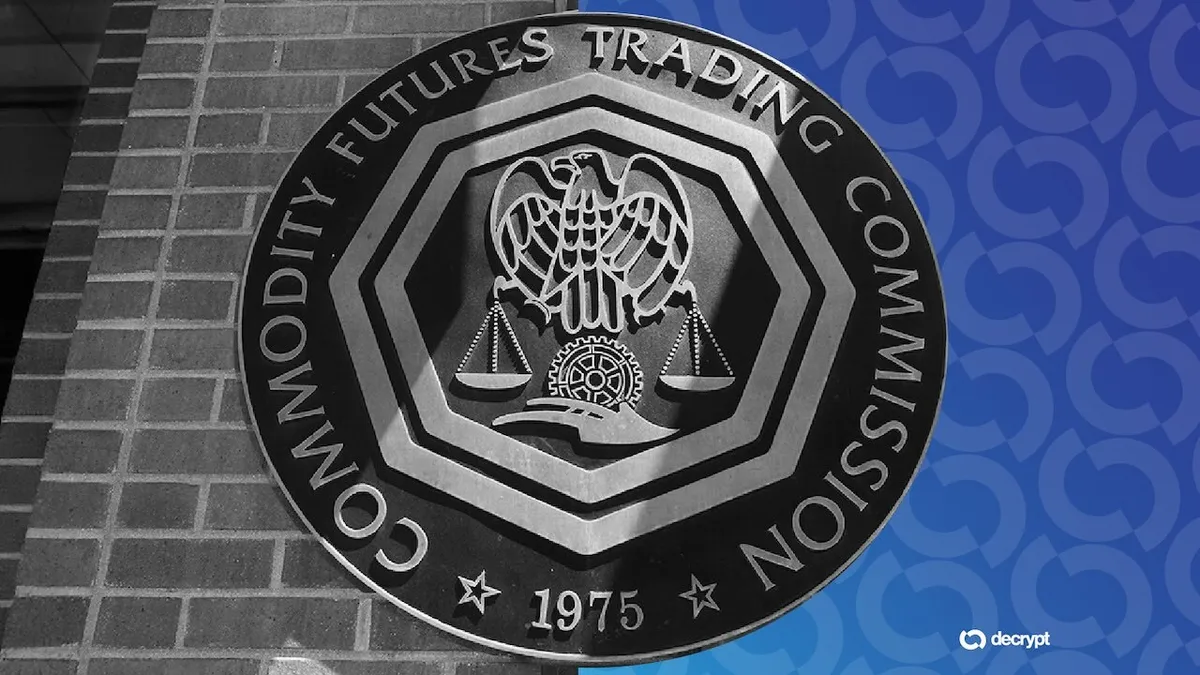
Recent developments have emerged in the world of cryptocurrency as a group of senators has expressed their concerns regarding alleged deceptive advertising practices by Polymarket, a prediction market platform. The senators have officially requested answers from the Commodity Futures Trading Commission (CFTC), aiming to clarify the extent of the allegations and the regulatory body's response. This scrutiny comes amidst growing concerns about transparency and ethics in the rapidly evolving crypto space, where misinformation could lead to significant financial risks for investors.
Polymarket, which allows users to bet on the outcomes of various events, has faced accusations of misrepresenting its services and the nature of its products. The senators' inquiry highlights a broader context where regulatory bodies are increasingly focusing on ensuring that digital asset platforms adhere to ethical marketing practices. This follows a trend of heightened regulatory interest in the crypto sector, especially as more mainstream investors engage with these platforms, amplifying the potential consequences of misleading information.
The implications of this inquiry are significant for the market. If the CFTC finds merit in the allegations against Polymarket, it could lead to stricter regulations and oversight for similar platforms, potentially reshaping the landscape of prediction markets and other crypto services. Increased scrutiny may also deter new entrants into the space, as regulatory compliance becomes a more daunting barrier to entry. Investors may become more cautious, leading to fluctuations in market confidence and affecting trading volumes across the sector.
Industry reactions have been mixed, with some experts supporting the senators' call for accountability, while others argue that overregulation could stifle innovation. Proponents of regulatory oversight emphasize the importance of protecting consumers from misleading practices, especially in a market that is notorious for its volatility and risk. On the other hand, critics warn that excessive regulation could hinder the growth of the crypto industry, which relies on its decentralized nature and freedom from traditional financial constraints.
Looking ahead, the outcome of this inquiry could set a precedent for how regulatory bodies interact with the crypto market. If the CFTC takes a firm stance against deceptive practices, it may prompt other agencies to follow suit, leading to a more regulated environment. It remains to be seen how Polymarket will respond to these allegations and whether the CFTC will enforce any changes or penalties. The ongoing dialogue between lawmakers and the crypto industry will likely shape the future of advertising and marketing practices within this dynamic ecosystem.

CoinMagnetic Team
Crypto investors since 2017. We trade with our own money and test every exchange ourselves.
Updated: June 2026
From our insights:
Related news

2.8 billion XRPL volume driven by just 185 trades across two obscure pools

New York's lawsuit against Polymarket seeks triple damages and penalties

TRON's lifetime volume of $30 trillion raises concerns for investors

Ondo Finance denies rumors of sale following founder Nathan Allman's death

U.S. commodities firms can invest in tokenized assets, use blockchain records: CFTC