Senator Gillibrand Seeks to Ban Trump, Elected Officials From Launching Meme Coins
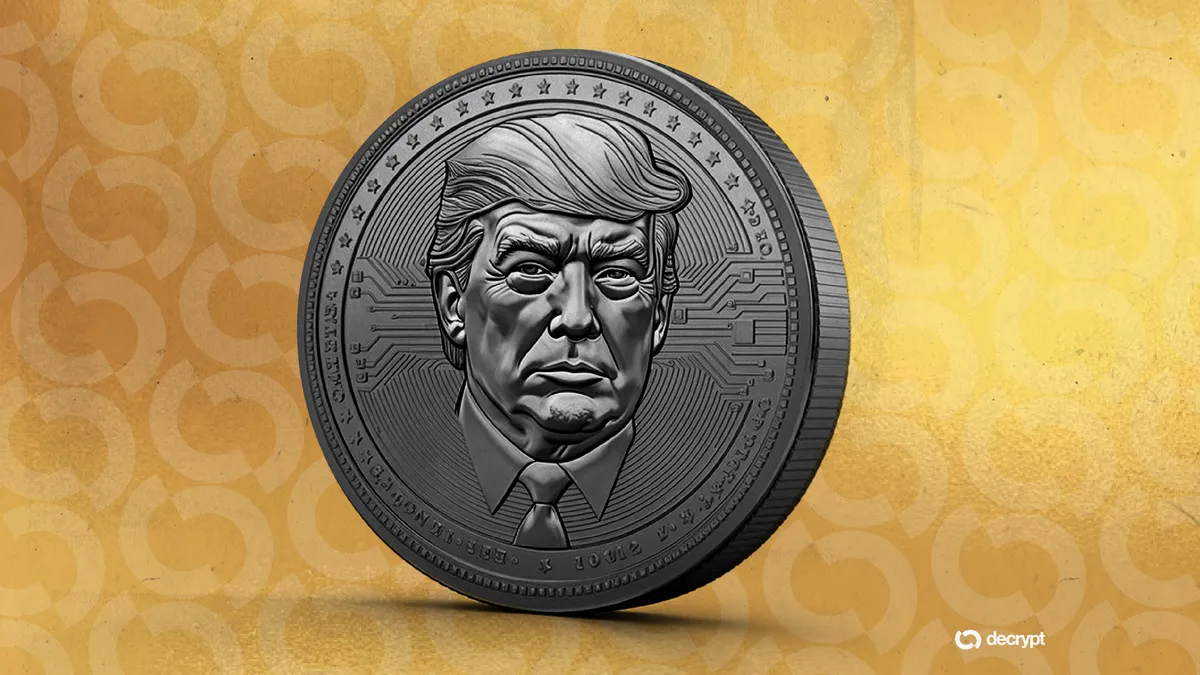
Senator Kirsten Gillibrand has recently made headlines with her proposal to ban former President Donald Trump and other elected officials from launching meme coins. This move comes in the wake of Trump revealing over $1 billion in crypto-related earnings, which has raised eyebrows across the political and financial spectrum. Gillibrand's initiative aims to address the potential conflicts of interest and ethical concerns that may arise when public figures enter the volatile world of cryptocurrency, particularly in the meme coin sector, which is known for its speculative nature and often lacks regulatory oversight.
The backdrop to this proposal is the growing intersection of politics and cryptocurrency, which has seen significant developments over the past few years. As digital currencies gain popularity, various public figures have started to leverage their influence to launch their own tokens, with meme coins often being marketed as fun, community-driven projects. However, the rise of these coins has also led to increased scrutiny regarding their legitimacy and the motivations behind their creation. Gillibrand's call for a ban specifically targets the potential for elected officials to exploit their positions for financial gain within this unregulated space, echoing broader concerns about accountability and transparency in both politics and finance.
This proposed ban is significant for the market as it underscores the growing awareness of regulatory frameworks surrounding cryptocurrency. If implemented, such a prohibition could set a precedent for how elected officials interact with digital currencies, potentially curbing the proliferation of meme coins that could be viewed as a conflict of interest. Market participants may react with caution, as regulatory measures often influence investor sentiment and market dynamics. The implications of this proposal extend beyond the immediate political landscape, as it might also prompt other lawmakers to consider similar restrictions, further shaping the regulatory environment for cryptocurrencies.
Industry experts have expressed mixed reactions to Gillibrand's proposal. Some see it as a necessary step to ensure ethical standards among public officials, while others argue that it could stifle innovation and the entrepreneurial spirit that characterizes the crypto space. The ongoing debate highlights the delicate balance between fostering a thriving digital currency ecosystem and ensuring that public trust is maintained in the faces of potential abuses. As conversations around regulation continue to evolve, stakeholders in the crypto industry are keenly observing how policymakers will navigate the complex relationship between politics and digital assets.
Looking ahead, the future of Gillibrand's proposal remains uncertain. It will likely spark further discussions among lawmakers and crypto advocates about the need for clearer guidelines and regulations in the sector. As the landscape continues to shift, stakeholders will be watching closely to see how this potential ban, if pursued, might influence the broader regulatory framework for cryptocurrencies, particularly in relation to elected officials and their involvement in the market. The outcome could have lasting implications for the legitimacy and growth of meme coins and other digital assets.

CoinMagnetic Team
Crypto investors since 2017. We trade with our own money and test every exchange ourselves.
Updated: July 2026
From our insights:
Related news
Spanish police detain 16-year-old linked to KillSec ransomware operations
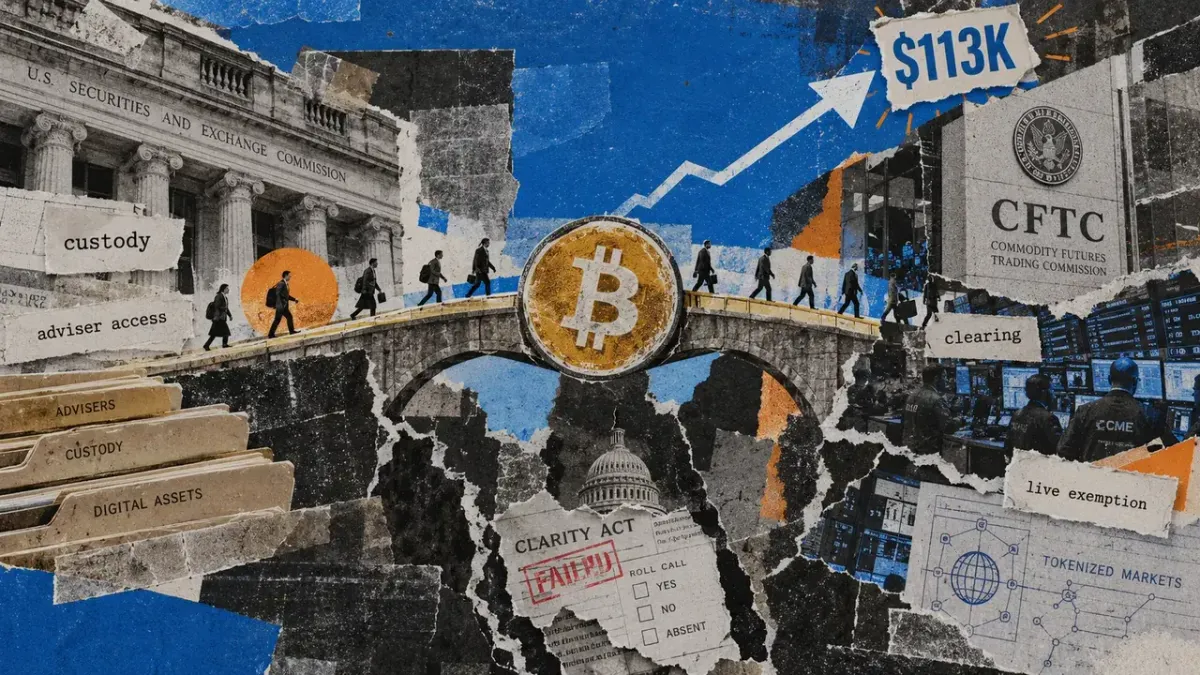
SEC's new custody framework boosts Bitcoin's $113,000 outlook amid 9 crypto actions
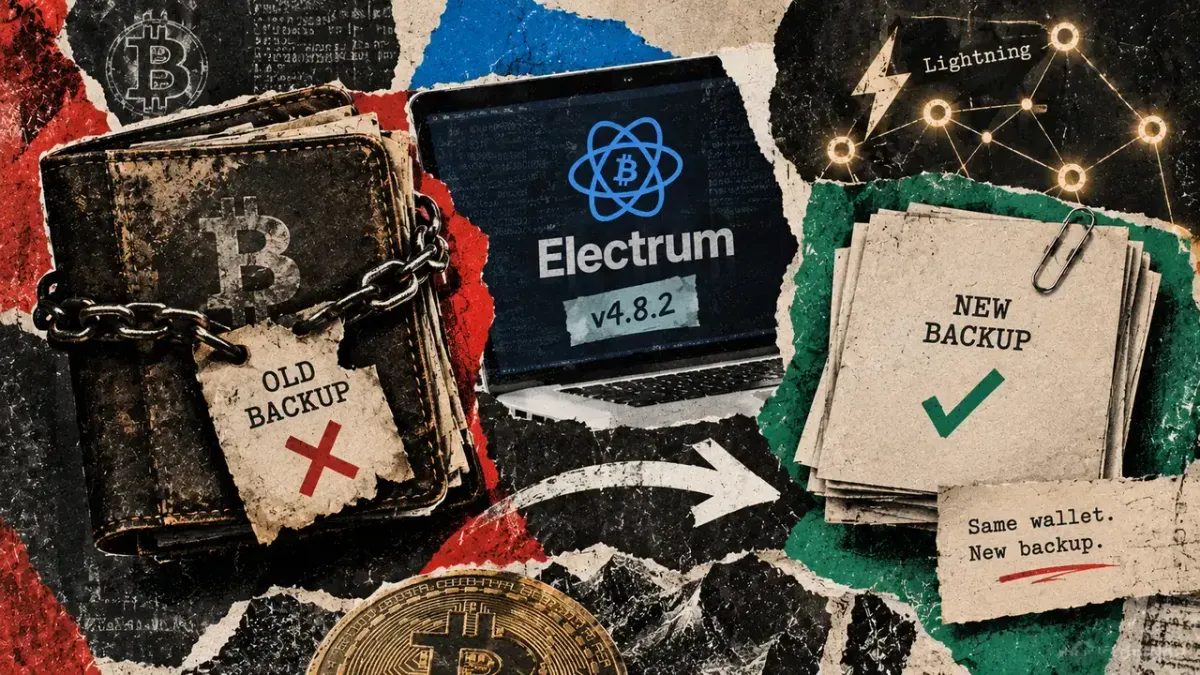
Electrum patches Lightning flaw, but old Bitcoin backups break

South Korea advances tokenized securities rules ahead of 2027 rollout

Robinhood faces hurdles in launching stock tokens due to SEC's innovation exemption