Senator Elizabeth Warren accuses U.S. regulator of approving unqualified crypto banks
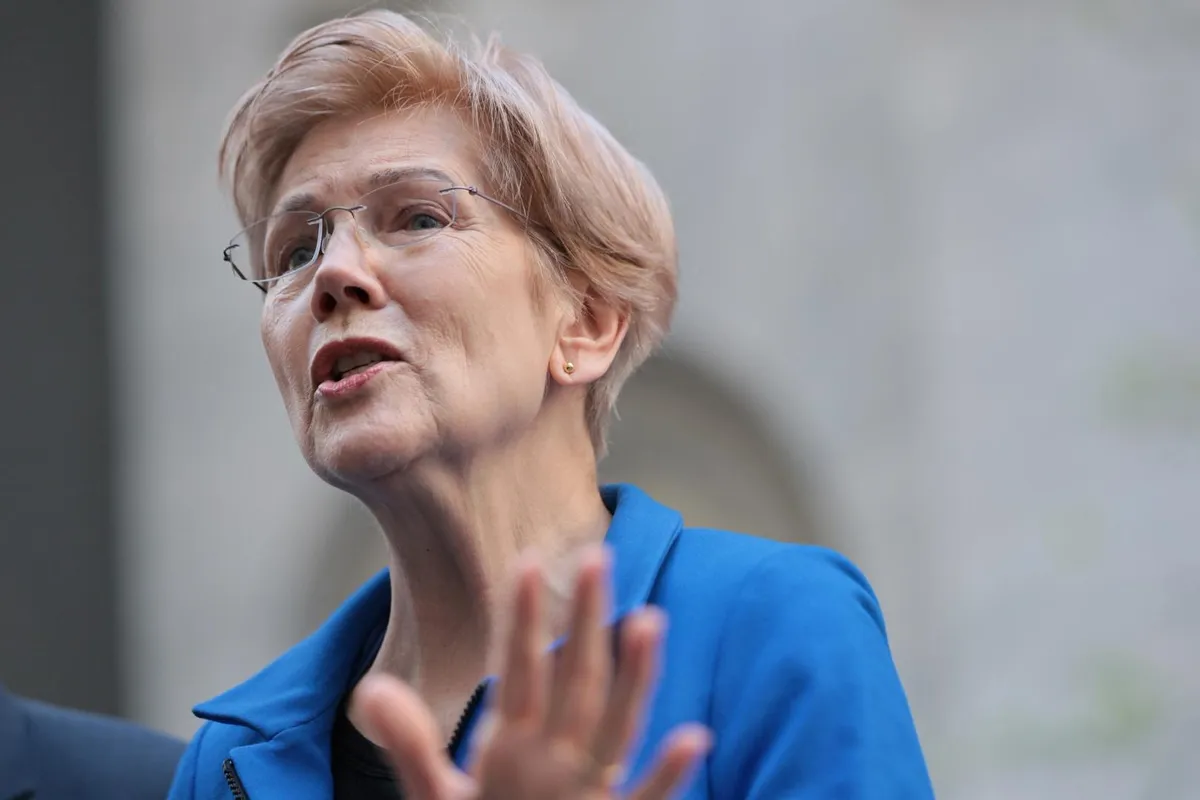
Senator Elizabeth Warren has recently taken a firm stand against what she perceives as a lax regulatory environment surrounding cryptocurrency banks in the United States. In a letter addressed to the Office of the Comptroller of the Currency (OCC), she questioned the charters granted to nine crypto firms. Warren's concerns center on the qualifications of these entities to operate as banks, highlighting the potential risks they pose to consumers and the financial system at large. This letter is part of her broader campaign to ensure that financial regulations keep pace with the rapidly evolving landscape of digital assets.
The backdrop to Warren's criticism lies in the increasing integration of cryptocurrency into the mainstream financial ecosystem. Over the past few years, numerous companies have sought to obtain banking charters, allowing them to offer services such as deposit-taking and lending. However, these developments have raised alarms among regulators and lawmakers, who argue that many of these firms may lack the necessary oversight and consumer protections typically associated with traditional banks. Warren's scrutiny reflects growing apprehensions about the adequacy of existing frameworks to handle the unique challenges posed by crypto firms.
Warren's letter could have significant implications for the cryptocurrency market, particularly if it leads to stricter regulatory measures for digital asset firms seeking bank charters. The scrutiny from a prominent senator may instill fear among investors and may even prompt some firms to reconsider their business models. This situation also underscores the ongoing tension between innovation in the crypto space and the regulatory bodies tasked with maintaining stability and consumer protection in the financial sector.
Industry reactions have been mixed, with some experts supporting Warren's call for more stringent oversight, emphasizing the necessity of ensuring that all financial institutions adhere to robust standards. Others, however, argue that overregulation could stifle innovation and drive crypto startups to other jurisdictions with more favorable regulatory environments. This divide highlights the ongoing debate within the industry regarding the balance between fostering innovation and ensuring consumer safety.
Looking ahead, the outcome of Warren's inquiry could set the stage for future regulatory developments in the cryptocurrency sector. If the OCC responds with heightened scrutiny or introduces new requirements for crypto firms, we could see a shift in how these companies operate. Conversely, if the OCC maintains its current stance, it could bolster the position of crypto firms seeking legitimacy within the banking system. The next steps will undoubtedly be closely monitored by both industry stakeholders and regulators as they navigate this complex landscape.

CoinMagnetic Team
Crypto investors since 2017. We trade with our own money and test every exchange ourselves.
Updated: May 2026
From our insights:
Related news

ECB and EU central banks propose liquidity thresholds for stablecoins

Four GOP senators backing CLARITY Act seek changes to stablecoin provisions
US investigates Binance for potential Iran-linked trading violations

Crypto sector emerges as top donor with $206 million in midterms backing

Stand With Crypto’s 4 million registered advocates couldn’t get the CLARITY Act through the Senate