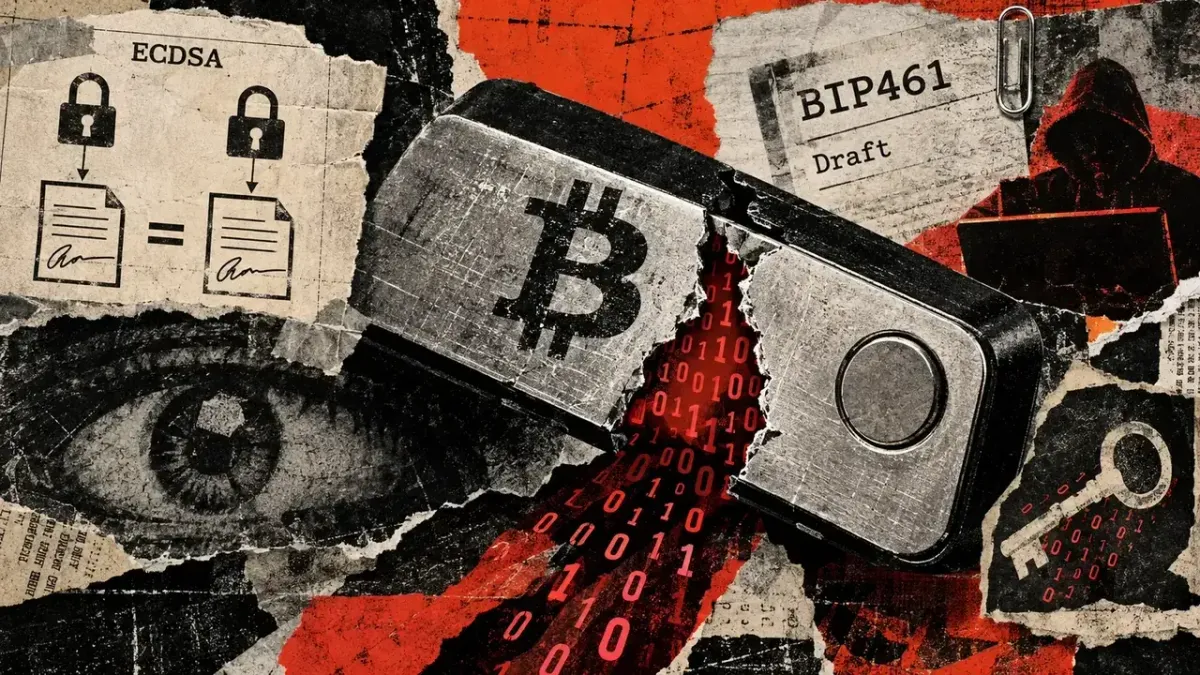
Senate tax proposal allows no-gain treatment for stablecoin purchases, keeps Bitcoin rules

A new proposal circulating in the Senate aims to offer more favorable tax treatment for transactions involving dollar-stablecoins. Under this proposal, eligible purchases made with stablecoins would be categorized as no-gain/no-loss transactions, thus eliminating the requirement to report capital gains or losses for such spending. Importantly, there is no stated value cap on these transactions, which could significantly ease the tax burden for stablecoin users. In contrast, Bitcoin transactions would still necessitate disposition reporting, maintaining the current tax framework in place for cryptocurrency.
This initiative comes amid ongoing discussions in the legislative landscape surrounding cryptocurrency regulation and taxation. The focus on stablecoins reflects a growing recognition of their role in the digital economy and the need for a regulatory framework that addresses their unique characteristics. Bitcoin, being the first and most prominent cryptocurrency, has long been subject to stringent tax regulations, which has often complicated its use in everyday transactions. The new proposal signals a potential shift in how lawmakers view and regulate different types of digital assets.
The implications for the market could be considerable. By allowing stablecoin transactions to be treated as no-gain/no-loss, this could encourage more widespread adoption and usage of stablecoins in day-to-day transactions. This regulatory clarity might lead to increased investment in stablecoin-related projects and platforms, as businesses and consumers could engage in transactions without the worry of unpredictable tax consequences. In contrast, Bitcoin’s continued regulatory burden may deter some users from utilizing it for everyday purchases, potentially impacting its adoption rate.
Industry reactions to this proposed tax treatment have been mixed. Some experts and advocates for cryptocurrency argue that the differentiation between stablecoins and Bitcoin is a positive step toward recognizing the unique benefits of stablecoins as a medium of exchange. Others express concern that the continued stringent regulations on Bitcoin could stifle its growth and adoption. As the conversation around cryptocurrency regulation evolves, industry players are closely monitoring how these proposals will shape the landscape for both stablecoins and Bitcoin.
Looking ahead, the fate of this tax proposal remains uncertain as it moves through the legislative process. Stakeholders in the cryptocurrency space are hopeful for a favorable outcome that could pave the way for more supportive regulations in the future. Should the proposal gain traction, it may set a precedent for further differentiation in how various types of cryptocurrencies are treated under tax law, potentially influencing future legislation.

CoinMagnetic Team
Crypto investors since 2017. We trade with our own money and test every exchange ourselves.
Updated: October 2026
From our insights:
Related news
Crypto shifts focus from Congress to Senators amid MetaMask security concerns

Illinois postpones 0.2% crypto tax until July amid ongoing legal dispute

Ripple enhances its presence in Brazil with XRPL tokenization initiative

Chainalysis prevails in most Celsius claims, $3.3 billion audit suit remains

Bitcoin's 43% Q3 surge sets stage for $147,000 predictions