Senate Democrats propose anti-corruption bureau as Trump’s crypto portfolio draws more scrutiny
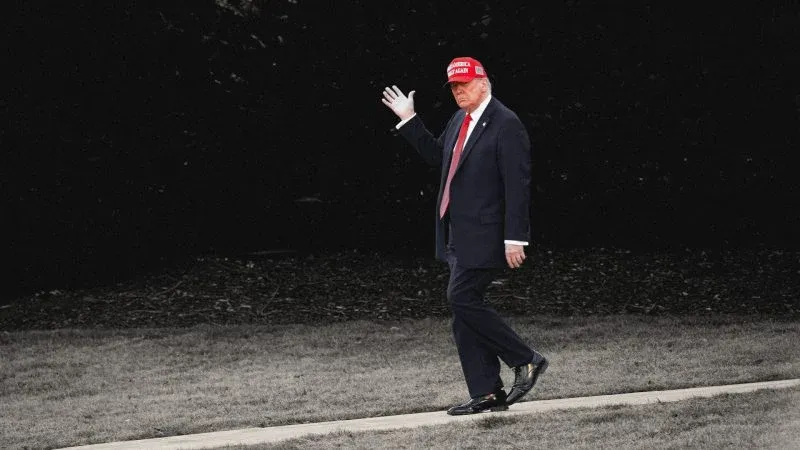
In a move that underscores the increasing intersection of politics and cryptocurrency, Senate Democrats have proposed the establishment of a new anti-corruption bureau amidst growing scrutiny of former President Donald Trump's financial disclosures. Recent reports revealed that Trump generated hundreds of millions of dollars in crypto-related income, raising eyebrows and concerns about transparency and regulation in the rapidly evolving digital asset space. This proposal aims to address potential conflicts of interest and ensure that public officials remain accountable in their financial dealings, especially as the influence of cryptocurrencies continues to expand.
The backdrop to this proposal is a political climate that is becoming increasingly polarized over issues of financial ethics and the role of cryptocurrencies in the economy. The recent disclosures about Trump’s crypto portfolio have intensified discussions around the regulatory framework governing digital assets. As more politicians and public figures invest in cryptocurrencies, the need for oversight and clear guidelines has never been more pressing. This is particularly true given the volatility of the crypto market and the potential for significant financial gains or losses that can affect the integrity of public office.
This development matters significantly for the market, as it highlights the potential for increased regulation in the crypto space. The establishment of an anti-corruption bureau could signal a shift towards more stringent oversight of cryptocurrency transactions, which could impact investor confidence and market dynamics. If implemented, this could create a ripple effect, leading to heightened scrutiny of other public figures involved in cryptocurrency, thus influencing market sentiment and trading behaviors. The prospect of increased regulation may lead some investors to reevaluate their positions within the crypto landscape.
Industry reactions have been mixed, with some experts welcoming the initiative as a necessary step toward ensuring transparency and accountability in the burgeoning crypto market. Others, however, caution that overregulation could stifle innovation and hinder the growth of the sector. Some analysts argue that a balanced approach is essential–one that promotes responsible investment while also protecting investors from potential misconduct. As the dialogue continues, it is evident that the industry is keenly aware of the implications these political moves could have on its future.
Looking ahead, the proposal's fate remains uncertain, but its introduction signals that the dialogue around cryptocurrency regulation is far from over. As Senate Democrats push for the anti-corruption bureau, we can expect further discussions and debates regarding the role of cryptocurrencies in politics and finance. The coming months may bring more clarity on how lawmakers plan to navigate the complexities of digital assets, and ultimately, this could lead to significant developments that shape the future of the crypto market.

CoinMagnetic Team
Crypto investors since 2017. We trade with our own money and test every exchange ourselves.
Updated: July 2026
From our insights:
Related news
Trump agrees to stricter ethics rules to save Clarity Act crypto bill: AP

FCA explores exempting tokenized gold from fund regulations to bolster London market

Bitcoin sees small gains as stocks fall ahead of Fed rate hike expectations

Republicans present revised 635-page CLARITY Act to Democrats ahead of vote

Senate vote brings clarity to crypto as AI fears trigger slowdown