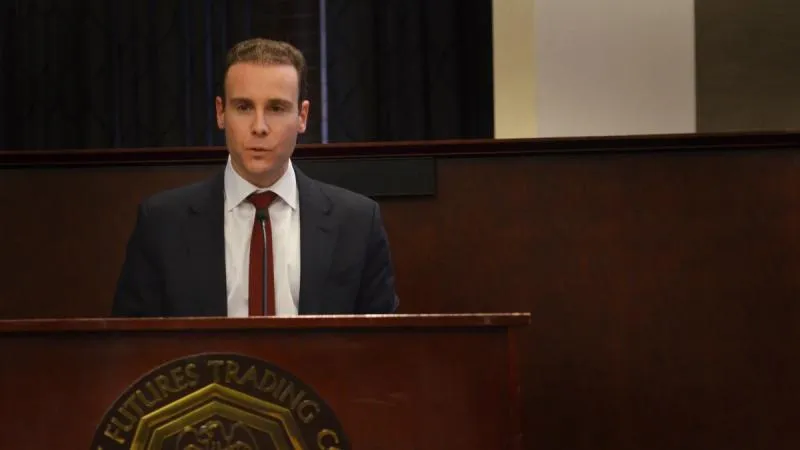
Blumenthal demands Cantor Fitzgerald disclose Tether ties and Lutnick profits
We are following a developing congressional inquiry as United States Senator Richard Blumenthal officially presses financial firm Cantor Fitzgerald to open its records regarding Tether. The Democratic lawmaker is specifically demanding transparency on the exact nature of the firm's relationship with the stablecoin issuer, alongside detailed financial data regarding how much Commerce Secretary Howard Lutnick's family has earned from the business partnership. This latest move by lawmakers highlights a growing Washington focus on the intersections between traditional financial institutions and major cryptocurrency entities.
Cantor Fitzgerald has long held a prominent role in the financial sector, and its involvement with Tether has drawn increasing scrutiny from federal regulators and lawmakers alike. Howard Lutnick, the head of Cantor Fitzgerald, has faced questions surrounding his ongoing business connections while navigating his government nomination and confirmation processes. Stablecoins like Tether occupy a massive footprint in the digital asset economy, acting as the primary liquidity bridge between fiat currency and cryptocurrencies, which places any major institutional custodian under heavy regulatory observation.
This inquiry matters deeply for the broader digital asset market because it directly targets the plumbing of stablecoin liquidity. Tether maintains a massive market capitalization, and any political or regulatory pressure on its primary banking and custodial partners can send shockwaves through trading desks worldwide. Market participants are increasingly sensitive to counterparty risks and institutional transparency, making the outcome of Senator Blumenthal's request a critical test case for how traditional Wall Street giants manage their crypto-adjacent portfolios.
Industry observers and policy experts have expressed mixed reactions to the escalating congressional interest. While consumer protection advocates and certain lawmakers argue that deeper oversight is essential to safeguard the financial system, defenders of the industry point out that established firms adhere to strict compliance frameworks. Financial analysts are closely monitoring the dialogue to see whether this pressure will prompt a broader policy shift or result in voluntary disclosures from other major market participants operating in the stablecoin space.
As this situation unfolds, we expect further developments regarding how Cantor Fitzgerald responds to the senator's document requests. The intersection of political oversight, executive appointments, and cryptocurrency reserves remains a volatile space that will likely shape upcoming legislative sessions. We will continue tracking these regulatory shifts and reporting on how increased political scrutiny impacts institutional involvement across the digital asset sector.

CoinMagnetic Team
Crypto investors since 2017. We trade with our own money and test every exchange ourselves.
Updated: October 2026
From our insights:
Related news
Regulatory stalemate creates unexpected room for decentralized finance growth

IMF spots rising demand for tokenized stocks amid persistent market risks

Coldcard investigates unauthorized link breach on its official X account

Kalshi reviews three Trump press secretary bets totaling 173 dollars ahead of official news

French committee adopts stablecoin swap and exit taxes before rejecting budget