SEC’s tokenized stock plan could force crypto exchanges to answer what investors really own
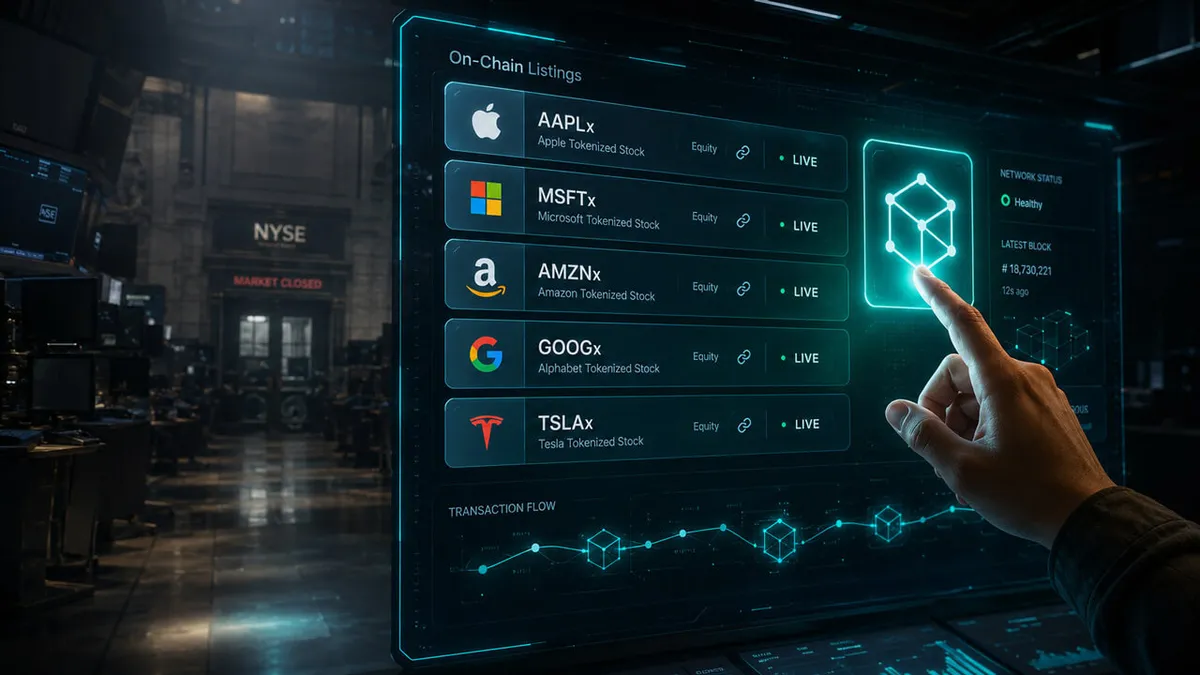
The U.S. Securities and Exchange Commission (SEC) has recently proposed a significant regulatory framework that could reshape how tokenized stocks are handled in the crypto market. This initiative aims to clarify the ownership rights of investors in tokenized versions of traditional stocks such as Tesla, Apple, and Nvidia. As the crypto landscape continues to evolve, the SEC's plan could place the onus on crypto exchanges to provide transparency regarding what investors actually own when they trade these digital assets. The potential ramifications of this proposal could lead to a substantial shift in the operations of exchanges and the overall market for tokenized assets.
To understand the implications of this proposal, it is essential to consider the backdrop of the regulatory environment surrounding cryptocurrencies. Over the past few years, the SEC has been increasingly focused on establishing guidelines for various digital assets, including stablecoins and decentralized finance (DeFi) applications. However, tokenized stocks introduce a unique set of challenges, as they blur the lines between traditional securities and digital assets. The SEC's scrutiny on these tokenized versions raises fundamental questions about investor rights and the relationship between companies and the platforms that facilitate trading in their stocks.
This development matters significantly for the market for several reasons. First, it could establish a precedent for how tokenized assets are treated under U.S. securities laws, which may influence regulations in other jurisdictions. Second, the decision could impact the operational models of crypto exchanges, potentially forcing them to disclose more information to investors regarding ownership rights and the actual backing of tokenized stocks. This could lead to greater investor confidence, but it may also raise compliance costs for exchanges, affecting their overall profitability and willingness to list such assets.
Industry experts have voiced a range of opinions on the SEC's move. Some believe that clearer regulations could bring legitimacy to the market and attract institutional investors, while others warn that excessive regulation could stifle innovation in the rapidly evolving crypto space. The consensus is that the SEC's approach reflects a growing recognition of the need to balance investor protection with the desire for innovation in the financial sector. As crypto continues to intersect with traditional finance, the SEC's actions will likely be closely monitored by both industry stakeholders and investors.
Looking ahead, the SEC's proposal will likely initiate a period of intense discussion and debate among stakeholders in the crypto and traditional finance sectors. Exchanges may need to prepare for new compliance requirements and reassess their business models in light of these potential regulations. As the dialogue continues, it will be crucial for industry players to engage with regulators to shape the future of tokenized assets and ensure that the interests of both investors and companies are adequately represented in the evolving regulatory framework.

CoinMagnetic Team
Crypto investors since 2017. We trade with our own money and test every exchange ourselves.
Updated: May 2026
From our insights:
Related news

Bitcoin ETFs take in $1.7B in 2 days as BTC tops holder cost basis
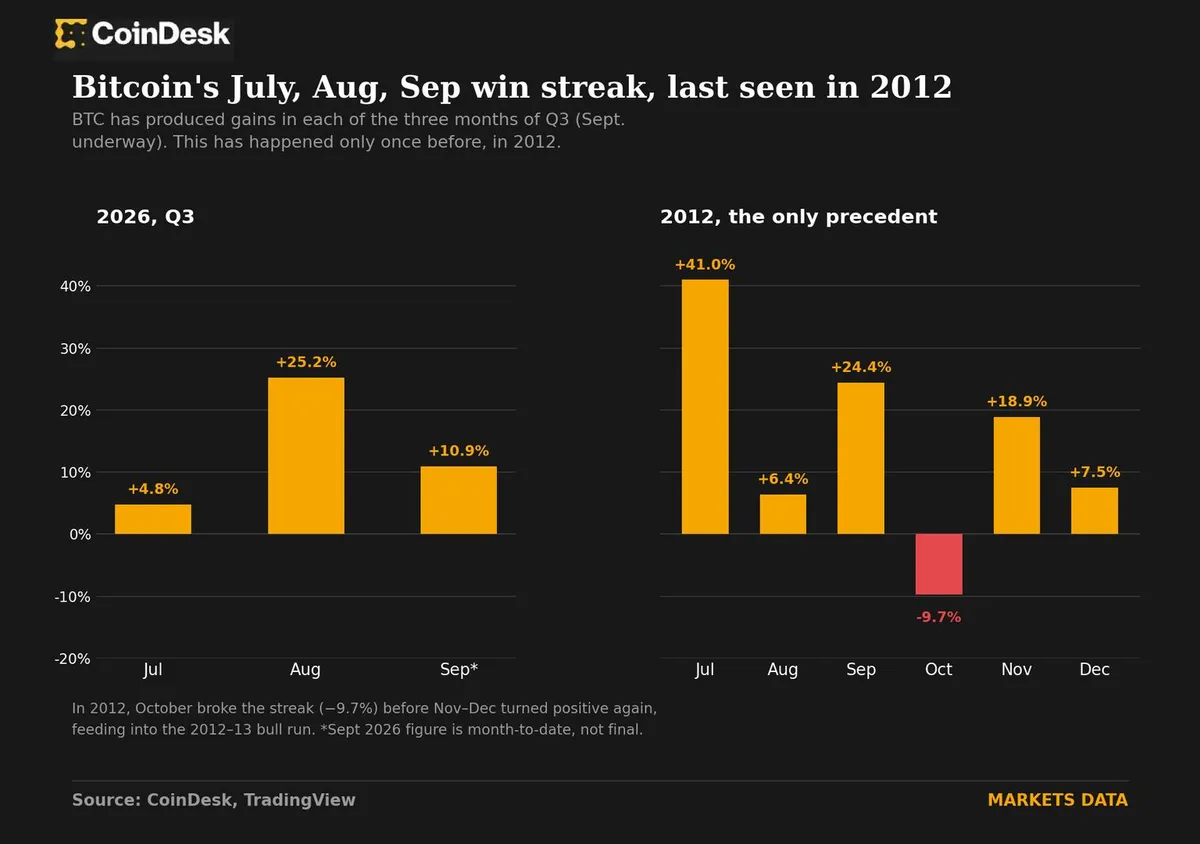
Bitcoin's on a streak it hasn't hit since 2012

CFTC warns against risky prediction market contracts following Trump's speech trades
CFTC issues advisory on risks of cheating in prediction markets

CFTC issues warning on manipulation risks in prediction markets tied to mentions