SEC delays tokenized asset exemption amid concerns over third-party tokens: Bloomberg Law
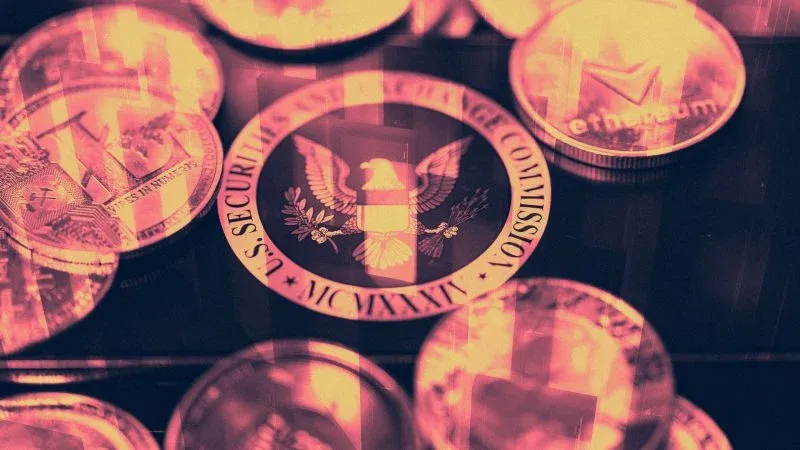
The U.S. Securities and Exchange Commission (SEC) has announced a delay in its efforts to establish an exemption for tokenized assets, a move that many in the crypto community were eagerly awaiting. According to Bloomberg Law, the SEC's decision stems from concerns regarding the implications of third-party tokens and their classification under existing regulations. This postponement has left many industry stakeholders wondering about the future of tokenization and its potential impact on the broader financial landscape.
This delay comes against a backdrop of increasing interest in tokenized assets, which have the potential to revolutionize traditional finance by enabling fractional ownership and improving liquidity. The SEC had initially signaled plans to provide clarity on how tokenized assets would be treated within the regulatory framework, aiming to foster innovation while ensuring investor protection. However, the complexities surrounding third-party tokens–those that are not directly issued by the underlying asset–have prompted the SEC to take a more cautious approach, extending the timeline for its decision-making.
The implications of this delay are significant for the market. As investors and companies look to navigate the evolving regulatory landscape, uncertainty around the status of tokenized assets could stifle innovation and investment. Many firms that were preparing to launch tokenized offerings may now find themselves in a holding pattern, awaiting further guidance from the SEC. This uncertainty could also impact the overall sentiment in the crypto market, as stakeholders reassess their strategies in light of the regulatory environment.
Industry experts have expressed mixed reactions to this news. Some view the delay as a necessary step to ensure that the SEC thoroughly evaluates the potential risks associated with third-party tokens. Others, however, argue that the lack of progress could hinder the U.S.'s competitive edge in the global crypto market, pushing innovators to seek more favorable regulatory environments elsewhere. The broader sentiment indicates a desire for clearer guidelines that can help foster growth while ensuring consumer protection.
Looking ahead, the SEC's decision is expected to be closely monitored by both industry insiders and regulatory observers. As the conversation around tokenized assets evolves, stakeholders will likely continue to advocate for clarity and a more defined regulatory framework. The SEC's eventual rulings will play a crucial role in shaping the future of tokenization and its integration into mainstream finance, making it an essential topic of discussion in the coming months.

CoinMagnetic Team
Crypto investors since 2017. We trade with our own money and test every exchange ourselves.
Updated: May 2026
From our insights:
Related news
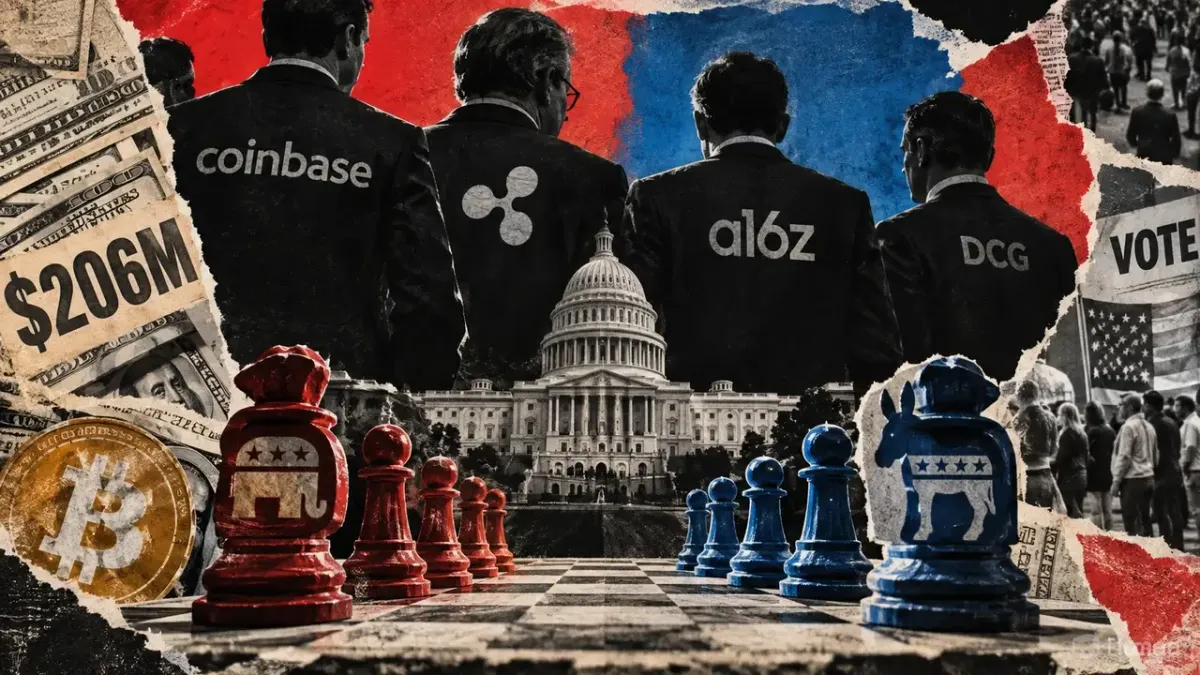
Crypto sector emerges as top donor with $206 million in midterms backing
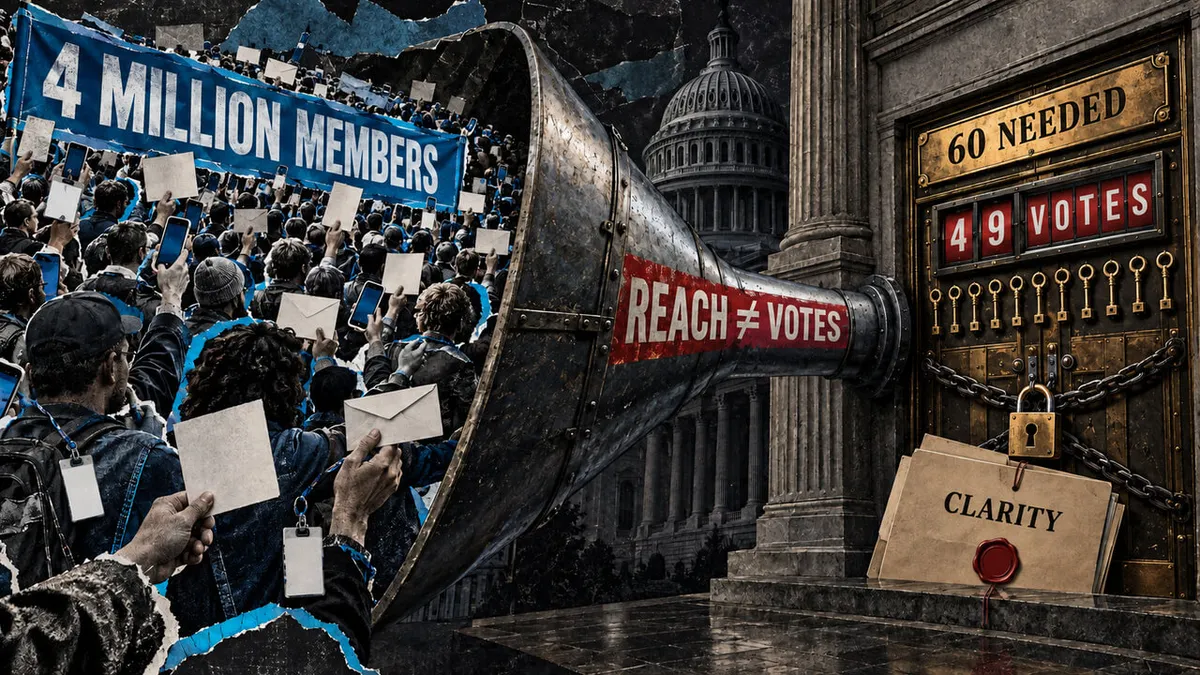
Stand With Crypto’s 4 million registered advocates couldn’t get the CLARITY Act through the Senate

Kakao Pay, KakaoBank to explore stablecoin opportunities with Fireblocks

US Attorney's investigation into Binance focuses on Iran sanctions compliance
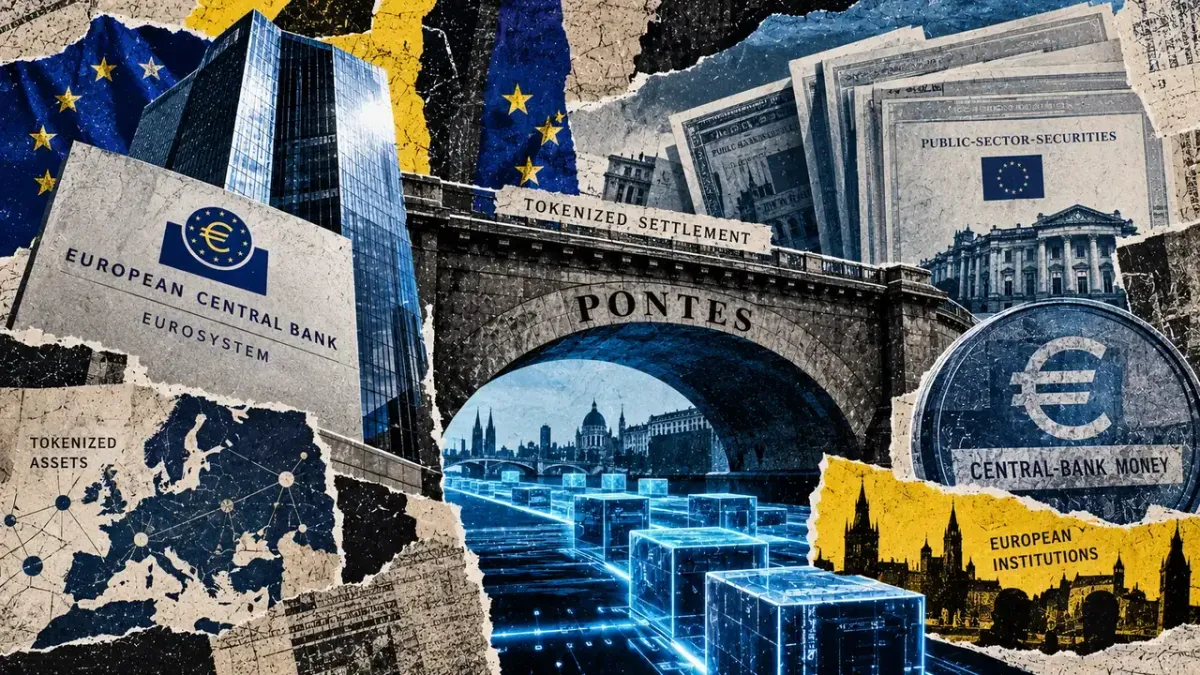
ECB initiates wholesale digital euro for banks and tokenized bond purchases