Saylor urges Bitcoin to reject BIP-110 in 110-point essay as soft fork’s August showdown approaches

In a recent development that has captured the attention of the cryptocurrency world, Michael Saylor has published a comprehensive 110-point essay urging the Bitcoin community to reject BIP-110. This proposed soft fork, which is set to be discussed in August, has sparked significant debate among developers and investors. Saylor, a prominent Bitcoin advocate and co-founder of MicroStrategy, emphasizes that adopting BIP-110 could have unintended consequences that may undermine the core values of Bitcoin. His essay delves deep into the technicalities and implications of the proposal, making a case for maintaining Bitcoin's integrity and security.
To understand the significance of this discussion, it is essential to consider the context surrounding BIP-110. Bitcoin Improvement Proposals (BIPs) are critical to the evolution of the Bitcoin protocol, with BIP-110 specifically aimed at enhancing transaction processing. While the intention behind the proposal may be to create efficiency, the community remains divided on whether the potential benefits outweigh the risks. Saylor's voice in this debate is particularly noteworthy given his history of advocating for Bitcoin as a superior store of value and his extensive investment in the cryptocurrency through his company.
The implications of Saylor's position on BIP-110 are substantial for the broader market. A rejection of the proposal could signal a commitment to Bitcoin's original principles, potentially reinforcing investor confidence. Conversely, if BIP-110 is accepted, it may lead to volatility as market participants react to the changes in protocol. The upcoming discussions are likely to affect not only Bitcoin's price but also the sentiment surrounding the cryptocurrency ecosystem as a whole. Investors will be watching closely to gauge how decisions made in August will shape the future of Bitcoin.
In the wake of Saylor's essay, industry reactions have been varied. Some experts agree with his assessment, citing concerns about the potential risks associated with changing the protocol. Others argue that innovation is critical for Bitcoin’s ongoing relevance and that BIP-110 could offer necessary upgrades to the network. This divergence of opinion highlights the ongoing tension between maintaining Bitcoin’s foundational principles and adapting to the demands of a rapidly evolving digital economy. As the community prepares for the August showdown, discussions are likely to intensify, reflecting the passionate beliefs that drive Bitcoin’s development.
Looking ahead, the outcome of the BIP-110 debate will be pivotal. Should the proposal be rejected, it may solidify a more conservative approach to Bitcoin's development, potentially influencing future proposals in a similar vein. Conversely, if BIP-110 is accepted, it could pave the way for further changes that might challenge traditionalist views within the community. As the August deadline approaches, all eyes will be on the Bitcoin developers and stakeholders to see how they navigate this crucial moment in the cryptocurrency's history.

CoinMagnetic Team
Crypto investors since 2017. We trade with our own money and test every exchange ourselves.
Updated: July 2026
From our insights:
Related news

MapQuest adds camera layer to track Flock Safety and other readers
Citrini points to real-world asset tokenization as the next major financial shift
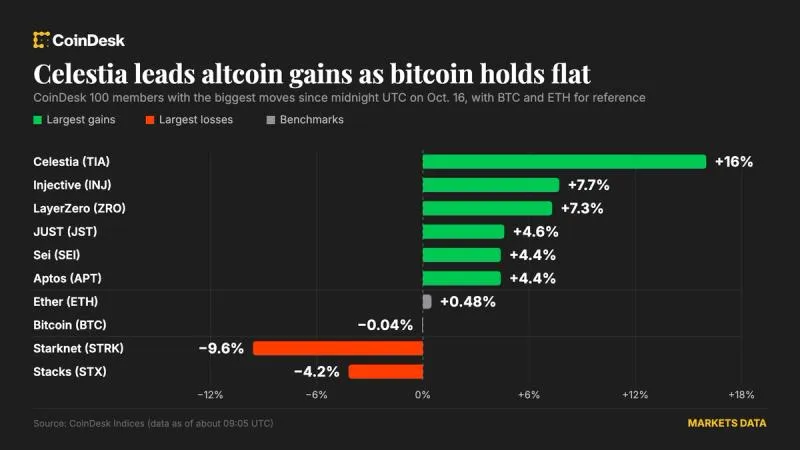
Celestia climbs 16 percent as alternative tokens outperform a flat bitcoin
Starknet initiates vote on exploring independent Layer 1 to counter quantum risks

STRK holders vote on Starknet leaving Ethereum to mitigate quantum risks