Saylor blamed AI for bitcoin crash. Arca has one word for that: Nonsense
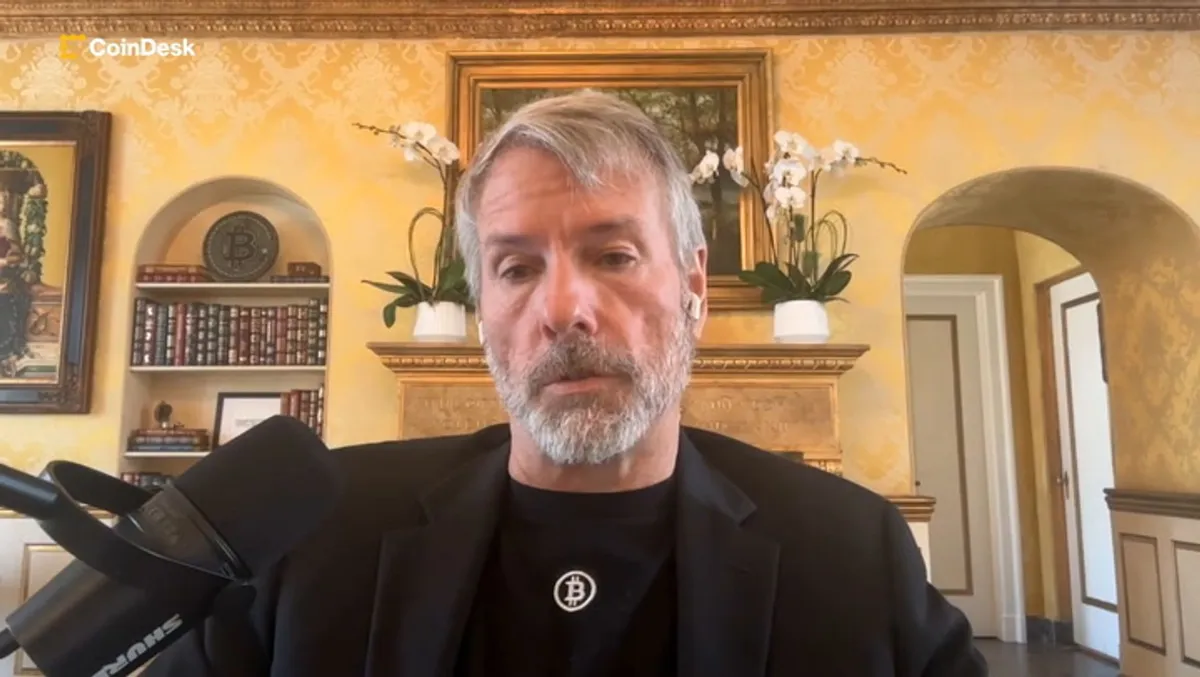
In a recent statement, Michael Saylor, the co-founder of MicroStrategy, attributed the recent Bitcoin crash to capital rotation towards artificial intelligence (AI) investments. His comments came after a notable drop in Bitcoin's price, which he suggested was influenced by market participants shifting their focus away from cryptocurrencies to AI-related assets. However, this assertion has been met with skepticism from various industry experts, particularly from Arca, a digital asset investment firm, which has called Saylor's claims "nonsense."
To provide some context, Bitcoin has experienced significant volatility in the past few weeks, with fluctuations that have raised concerns among investors and analysts alike. While Saylor's statement highlights a growing trend in the financial markets where AI technologies are capturing investor interest, many in the crypto community believe that attributing Bitcoin's price movements solely to this trend overlooks the underlying factors that affect cryptocurrency markets. Notably, the sale of 32 BTC by MicroStrategy's Strategy fund has been cited by Arca as a more plausible reason for the recent downturn, rather than a mere shift in focus to AI.
This debate is crucial for the broader cryptocurrency market, as it reflects the ongoing struggle to understand the drivers behind Bitcoin's price movements. The narrative surrounding AI's impact on traditional assets is undeniable, and investors are keen to grasp how these developments might affect their portfolios. However, the disagreement between Saylor and Arca underscores the complexity of market dynamics and the multiple factors that can influence prices, from macroeconomic trends to specific trades by large holders.
Industry reactions have varied, with some experts siding with Arca's assessment that the sale of BTC was a significant factor in the price decline. Others argue that Saylor's comments reflect a broader anxiety among crypto advocates, who may feel threatened by the rapid rise of AI technologies. Analysts are observing the situation closely, with some suggesting that Saylor's focus on AI might indicate a deeper concern about Bitcoin's long-term position in the investment landscape.
Looking ahead, the ongoing discourse around the relationship between AI and cryptocurrency markets may shape future investment strategies. As the technology sector continues to evolve, it is likely that the narratives surrounding both AI and blockchain will become increasingly intertwined. Investors and analysts alike will need to stay vigilant and adaptable, as the interplay between these two powerful trends could lead to further fluctuations in market sentiment and asset valuations.

CoinMagnetic Team
Crypto investors since 2017. We trade with our own money and test every exchange ourselves.
Updated: June 2026
From our insights:
Related news

Bitcoin surges past $86,000 as $1 billion in shorts are liquidated, eyes on $90,000
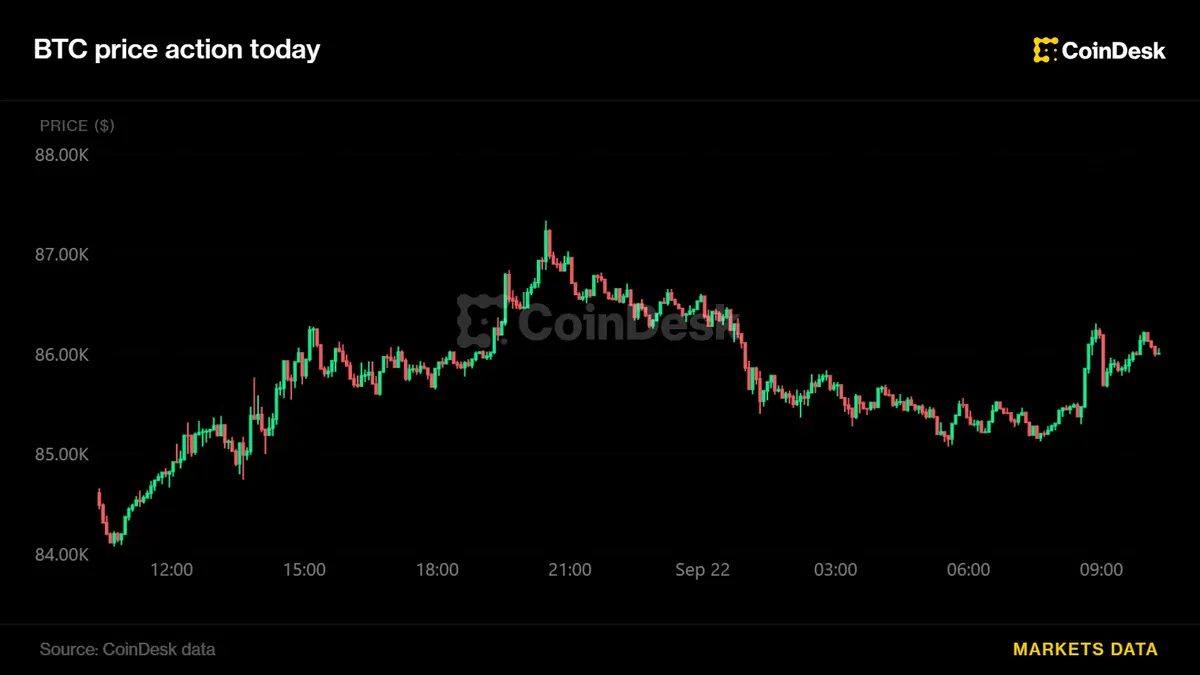
Bitcoin bounces back to $86,000 as oil prices decline and stocks rise

Prediction markets projected to reach $10 trillion by 2035, surpassing sports
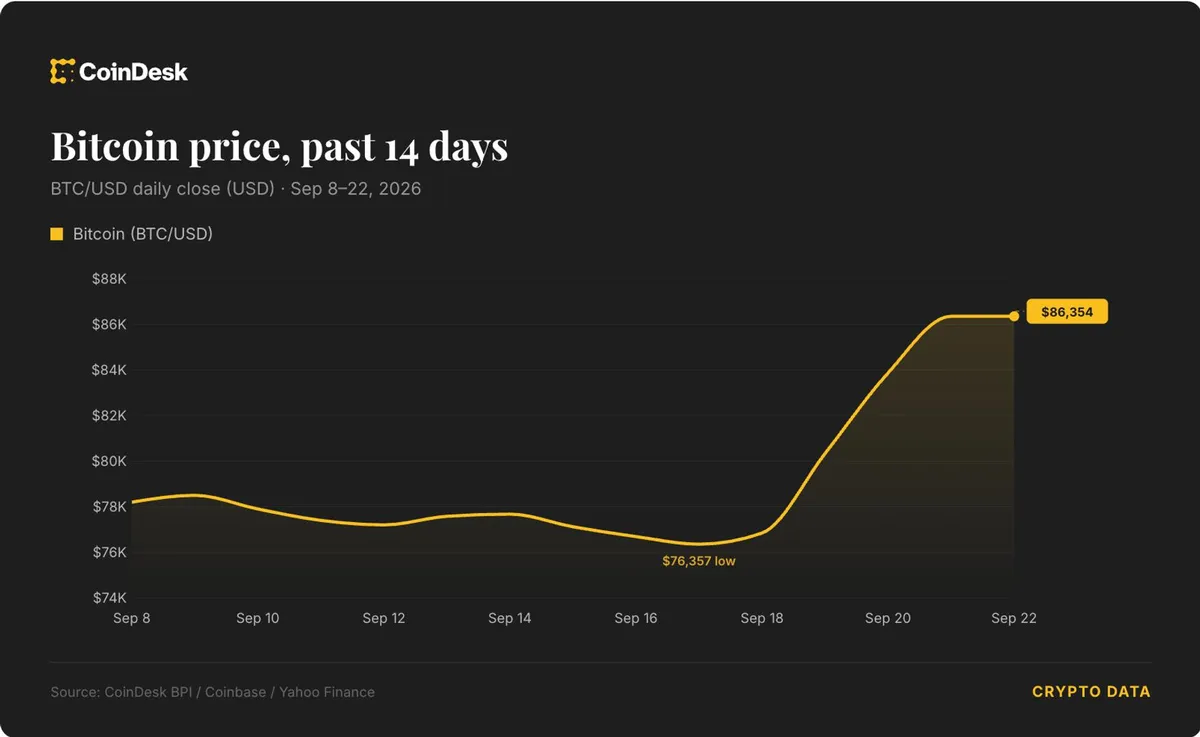
Iran hints at reopening Strait of Hormuz, WTI oil drops to $89

New altseason signal emerges as Bitcoin market cap stays under 60%