Saudi Arabia is tokenizing its multi-trillion dollar economy to protect its wealth from global shocks
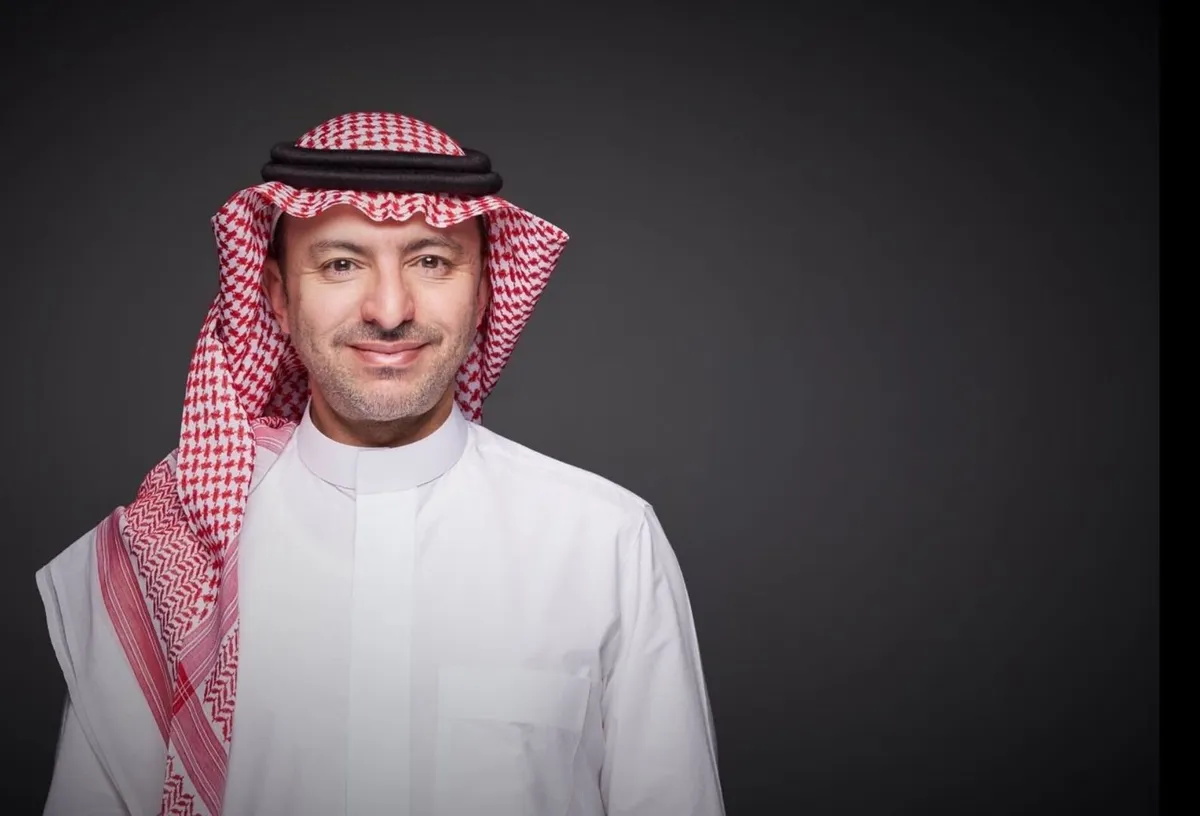
Saudi Arabia is making significant strides in the digital asset space by tokenizing parts of its multi-trillion dollar economy. The chairman of droppRWA recently announced that he has secured $12.5 billion in mandates aimed at tokenizing real estate assets. This initiative is part of a broader vision to expand beyond just real estate, with plans to bring trillions of dollars worth of assets onto blockchain platforms. By digitizing these assets, Saudi Arabia aims to protect its wealth from global economic shocks and enhance the efficiency and transparency of its economic activities.
The move towards tokenization is not just a random shift; it has been influenced by the country's strategic economic vision. As part of its Vision 2030 plan, Saudi Arabia is diversifying its economy away from oil dependency. The introduction of blockchain technology aligns with this vision, offering a way to modernize the financial system and attract foreign investment. Tokenization provides an opportunity to create new financial instruments that can enhance liquidity and provide easier access to investments for a broader audience.
This development is crucial for the market as it signifies a growing acceptance of digital assets by traditional economies. By entering the tokenization space, Saudi Arabia is positioning itself as a forward-thinking player in the global economy. The potential to bring trillions of dollars on-chain could lead to increased liquidity in the market, allowing for innovative financial products that could attract both local and international investors. As more countries explore similar initiatives, we may witness a paradigm shift in how wealth is stored and transferred.
Industry experts have expressed optimism about Saudi Arabia's initiative, noting that it could set a precedent for other nations. The concept of tokenizing assets is gaining traction, with many seeing it as a way to enhance financial inclusion and democratize access to wealth. Some analysts believe that if Saudi Arabia successfully executes its plans, it could inspire other countries to follow suit, potentially leading to a global wave of asset tokenization. However, there are also concerns regarding regulatory frameworks and the potential risks associated with such significant shifts in asset management.
Looking ahead, the success of this tokenization initiative will depend on how effectively Saudi Arabia can navigate the regulatory landscape and build a robust digital infrastructure. As the country progresses, industry stakeholders will be closely monitoring developments, particularly in terms of how these tokenized assets are received in both local and global markets. If executed well, this could not only bolster Saudi Arabia's economy but also contribute to the broader acceptance and integration of blockchain technology in mainstream finance.

CoinMagnetic Team
Crypto investors since 2017. We trade with our own money and test every exchange ourselves.
Updated: May 2026
From our insights:
Related news

Crypto sector emerges as top donor with $206 million in midterms backing

Stand With Crypto’s 4 million registered advocates couldn’t get the CLARITY Act through the Senate

Kakao Pay, KakaoBank to explore stablecoin opportunities with Fireblocks

US Attorney's investigation into Binance focuses on Iran sanctions compliance

ECB initiates wholesale digital euro for banks and tokenized bond purchases