Satoshi’s 1.1M bitcoin and millions more can be saved from quantum attack, says expert

Recent developments in the world of cryptocurrency have brought attention to the potential vulnerabilities posed by quantum computing. Researchers from a privacy-focused blockchain startup have proposed a multi-layer quantum defense mechanism that could safeguard dormant Bitcoin holdings, including the infamous stash of 1.1 million BTC attributed to Satoshi Nakamoto. This defense strategy involves implementing a soft fork, which would effectively freeze these dormant coins, thus protecting them from potential quantum attacks that could threaten the security of the Bitcoin network.
To understand the significance of this proposal, it's essential to recognize the context surrounding quantum computing. This emerging technology has the potential to perform calculations at speeds far beyond what classical computers can achieve, which, in theory, allows it to break the cryptographic algorithms currently securing cryptocurrencies. Many in the crypto community have been concerned that as quantum technology advances, it could compromise the integrity of blockchain systems, leading to the theft of funds and a loss of trust in the network. The researchers' approach aims to preemptively address these concerns by securing dormant coins against such future risks.
The implications of this proposal are significant for the cryptocurrency market. The ability to protect dormant Bitcoin, especially those believed to be held by Satoshi, would not only provide a sense of security to Bitcoin holders but could also bolster confidence in the resilience of the Bitcoin network itself. Such innovations could potentially attract more institutional investors who may have been hesitant due to the perceived risks associated with quantum threats. Moreover, it could serve as a precedent for other cryptocurrencies to adopt similar protective measures, thereby enhancing the overall robustness of the digital asset ecosystem.
Industry experts have reacted positively to the news, acknowledging the proactive approach taken by the researchers. Many see this initiative as a necessary step in the evolution of cryptocurrency security, as the threat posed by quantum computing becomes increasingly tangible. Some experts have even suggested that this could spark a broader movement within the crypto community to prioritize quantum resistance in future developments. However, there are also voices of caution, emphasizing the need for rigorous testing and community consensus before such significant changes are implemented in the Bitcoin protocol.
Looking ahead, the proposed multi-layer quantum defense and the soft fork mechanism will need to undergo extensive scrutiny and testing to ensure its effectiveness and safety. If successful, this initiative could set a new standard in the industry for addressing quantum risks. As the conversation around quantum computing continues to evolve, we may see further innovations aimed at securing digital assets, ensuring that the cryptocurrency landscape remains resilient in the face of technological advancements.

CoinMagnetic Team
Crypto investors since 2017. We trade with our own money and test every exchange ourselves.
Updated: May 2026
From our insights:
Related news
ZetaChain votes to shut down Layer 1 network and move ZETA to Solana

Solana reduces block times by 17% with latest upgrade, boosting transaction freshness

Optimism secures upgrade for Superchain to enable interoperability

Solana boosts transaction size by 3x amid surge in network activity
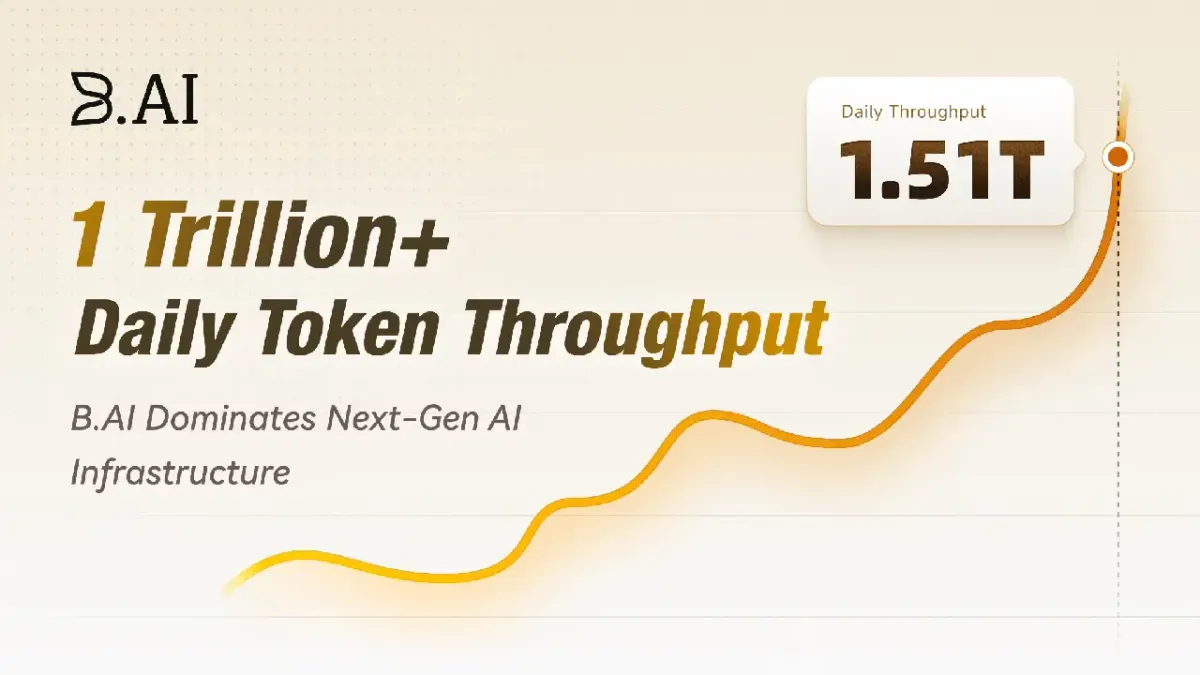
B.AI achieves record 1.51 trillion tokens daily throughput for AI infrastructure