Samson Mow says bitcoin bottom is in despite skepticism from analysts

Samson Mow, a prominent advocate for Bitcoin and the CEO of Pixelmatic, has made headlines recently by asserting that the bottom for Bitcoin has been reached. Mow's claim is rooted in his analysis of the traditional four-year halving cycle, which he believes has undergone a significant shift in recent times. According to Mow, the patterns that once dictated Bitcoin's price trajectory are evolving, and this change is pivotal in understanding the current market dynamics. While Mow's assertions bring a fresh perspective to the ongoing discussion about Bitcoin's price movements, they have not gone without challenge, as several analysts express skepticism and caution regarding the potential for further downside.
The concept of the four-year halving cycle is integral to Bitcoin's economic model. Historically, Bitcoin undergoes a halving event approximately every four years, reducing the reward for mining new blocks by half. This mechanism has historically been associated with bullish price trends that follow each halving. However, Mow's assertion suggests that the typical market responses to these events may be changing, prompting a reevaluation of established beliefs within the crypto community. The current market environment, marked by macroeconomic factors and regulatory scrutiny, adds complexity to the discussion around Bitcoin's price stability.
Understanding why Mow's statement matters requires a closer look at the market sentiment. Many traders and investors heavily rely on historical patterns to forecast future price movements. If Mow's perspective gains traction, it could influence trading strategies and market behavior significantly. Conversely, if analysts remain convinced of further downside, it could lead to increased volatility and uncertainty, as investors grapple with conflicting narratives regarding Bitcoin's future. The balance between optimism and skepticism could define the upcoming months for Bitcoin and the broader cryptocurrency market.
Industry reactions to Mow's claim have been mixed. While some crypto enthusiasts and influencers have rallied behind his perspective, citing the need for a fresh outlook on Bitcoin's price dynamics, others have voiced concerns. Analysts caution that historical trends may still hold weight, and dismissing them outright could lead to reckless investment decisions. The discourse around Mow's assertion reflects a broader tension in the cryptocurrency space, where optimism often clashes with caution amid unpredictable market conditions.
Looking ahead, we can expect to see ongoing debates surrounding Bitcoin's price trajectory. As the market continues to react to macroeconomic developments and regulatory changes, Mow's claims will likely be scrutinized. Whether or not Bitcoin's bottom is indeed in may not only impact investor sentiment but could also shape the strategies of institutional players as they navigate this evolving landscape. The dialogue between proponents of new theories and traditional analysts will be crucial in determining the future path of Bitcoin and its role within the larger financial ecosystem.

CoinMagnetic Team
Crypto investors since 2017. We trade with our own money and test every exchange ourselves.
Updated: June 2026
From our insights:
Related news
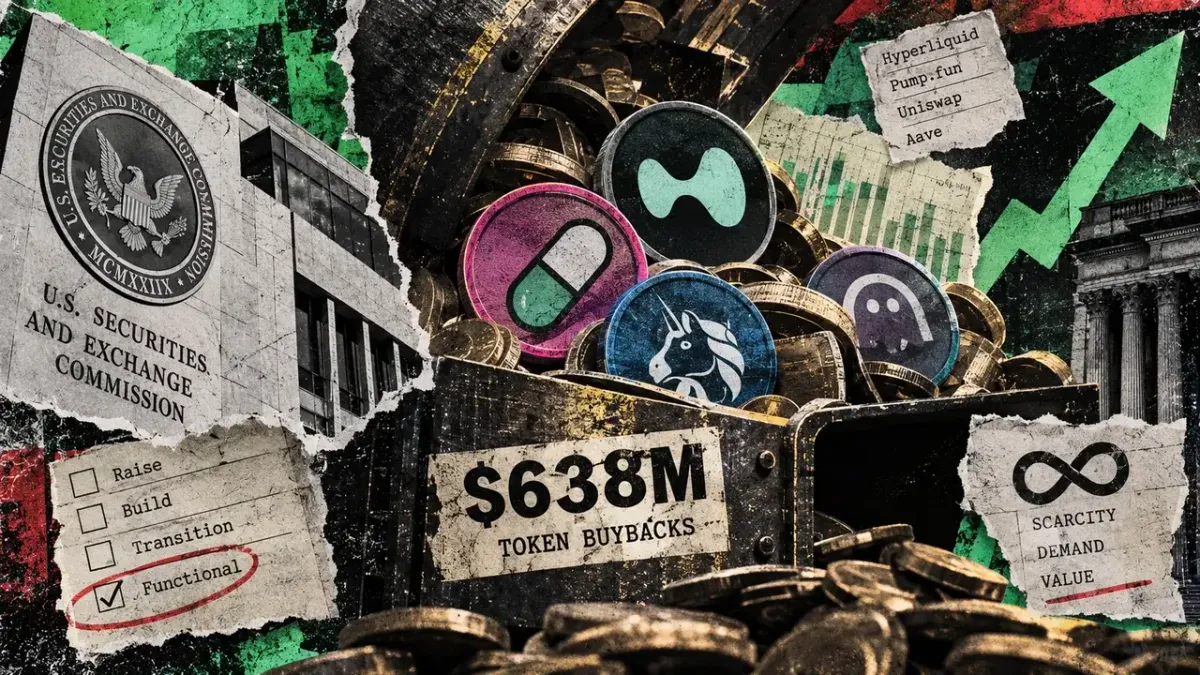
Crypto token buybacks reach $638 million as SEC clears path for projects

Bitcoin ETFs attract nearly $3 billion in seven days, reversing losses
After Clarity Act's failure, regulators take swift action on crypto rules

Kalshi loses appeal over Ohio and Tennessee sports betting laws, widening circuit split

LayerZero faces $292M lawsuit as $15B exits amid rsETH exploit fallout