Samson Mow defends Strategy selling portions of its Bitcoin treasury

In a recent statement, Samson Mow, a prominent figure in the Bitcoin community, defended the strategy of selling portions of a Bitcoin treasury. This comes on the heels of Michael Saylor's comments indicating that his company, MicroStrategy, might consider liquidating some of its Bitcoin holdings. Mow, who is known for his steadfast advocacy of Bitcoin, highlighted the importance of maintaining a robust treasury strategy while addressing the potential implications of selling off assets that have been viewed as long-term investments. His remarks seem aimed at clarifying the rationale behind treasury management in the cryptocurrency sector.
The backdrop to this discussion is a shifting landscape among companies heavily invested in Bitcoin. MicroStrategy, under Saylor's leadership, has been a trailblazer in corporate Bitcoin adoption, amassing significant holdings over the years. Traditionally, Saylor has positioned the company as a long-term holder of Bitcoin, viewing it as a hedge against inflation and a store of value. However, recent signals from Saylor suggest a potential pivot in that strategy, raising eyebrows among market participants who have come to see MicroStrategy as a bellwether for institutional adoption.
This matter is particularly significant for the broader cryptocurrency market, as corporate treasury strategies can influence investor sentiment and market dynamics. The idea of a major player like MicroStrategy selling a portion of its Bitcoin could create ripples across the market, potentially leading to a decline in Bitcoin prices if other companies follow suit. Conversely, if Mow's views on maintaining a strong treasury resonate with other institutions, it could reinforce confidence in Bitcoin as a long-term asset, stabilizing its price and encouraging further institutional investment.
Industry reactions have been varied, with some experts supporting Mow's stance while others caution against the risks of selling. Some analysts argue that selling portions of a Bitcoin treasury can be a prudent strategy, especially for companies needing liquidity or looking to reinvest in growth opportunities. Conversely, critics of Saylor's potential decision suggest that selling now could undermine confidence in Bitcoin's value proposition and signal weakness at a time when the market is navigating volatility.
Looking ahead, the cryptocurrency community is keenly watching how this debate unfolds. Should MicroStrategy decide to move forward with significant sales, it could set a precedent for other companies holding large Bitcoin treasuries. On the flip side, if the prevailing sentiment leans toward maintaining strong Bitcoin holdings, it could bolster the narrative of Bitcoin as a reliable store of value in uncertain economic times. As we continue to monitor developments in this space, the ongoing dialogue between Mow and Saylor will likely shape strategies for corporate Bitcoin treasury management in the future.

CoinMagnetic Team
Crypto investors since 2017. We trade with our own money and test every exchange ourselves.
Updated: May 2026
From our insights:
Related news

Bitcoin's weekly close above $81,000 signals potential rise to $90,000

Elon Musk's X integrates bitcoin trading options for U.S. users
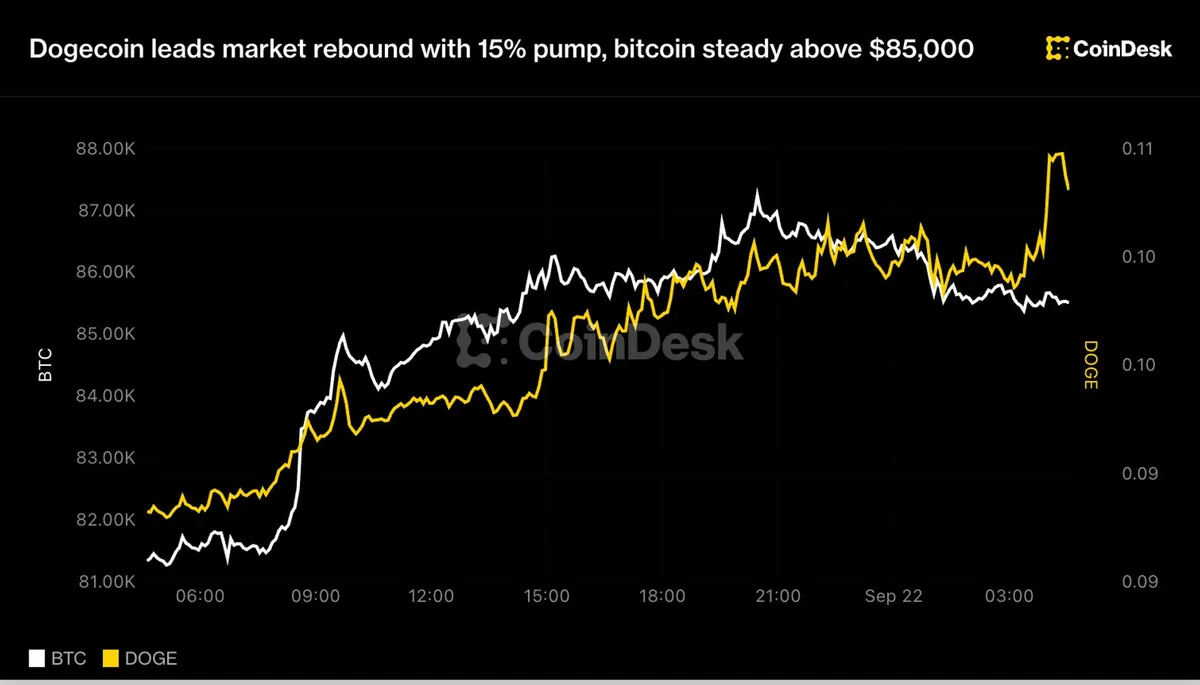
Dogecoin's 15% surge drives market recovery as bitcoin stabilizes above $85,000

Cardano adds tools for AI agent payments, joining Solana and XRP Ledger

Trueo prediction market moves from Base to Ethereum