Bank of Russia sets July 2027 deadline to outlaw peer-to-peer crypto trades
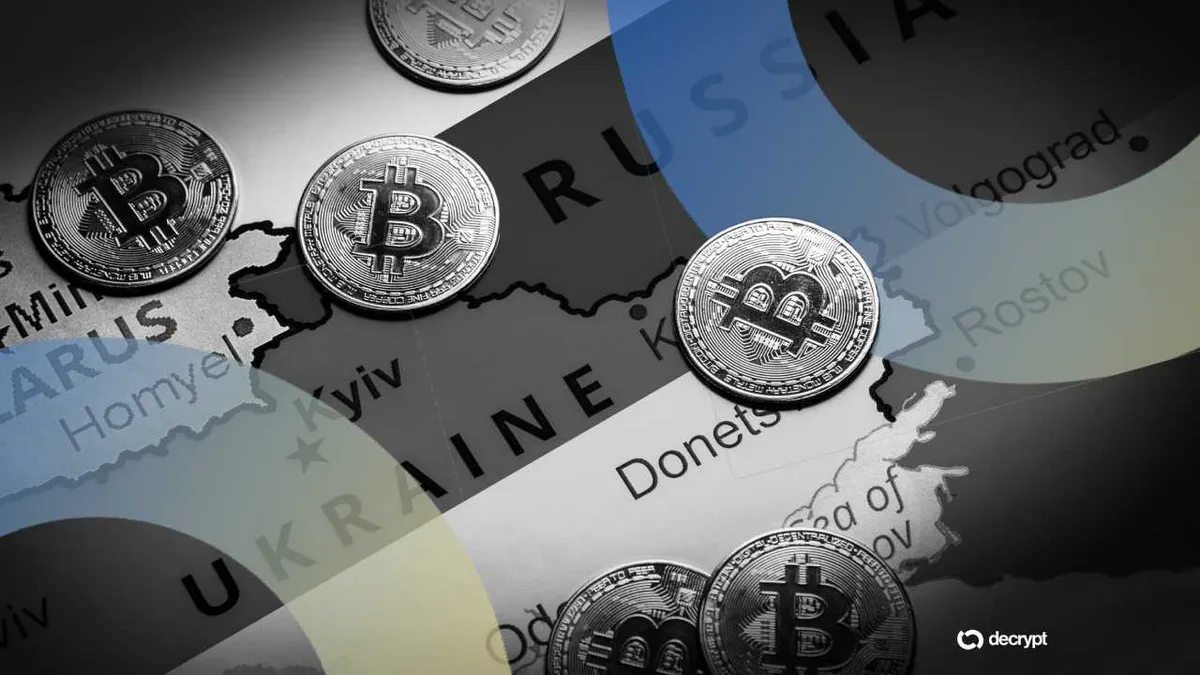
We are closely following a major regulatory shift in Russia, where the central bank has officially confirmed plans to ban peer-to-peer bitcoin and cryptocurrency trading. According to the recent announcement, citizens and residents will have until July 1, 2027, to buy and sell digital assets directly with one another without intermediaries. Once this transition window closes, the regulatory framework will mandate that all crypto transactions must flow exclusively through brokers or exchanges that have received explicit approval from the Bank of Russia.
This decision marks a continuation of Russia's tightening grip on the domestic cryptocurrency market over recent years. While the country has gradually carved out legal pathways for certain digital asset activities, authorities have consistently expressed deep skepticism toward decentralized and unhosted financial transactions. Peer-to-peer trading has long served as a primary avenue for retail participants looking to bypass traditional banking channels, making it a frequent target for regulators concerned with capital controls, anti-money laundering compliance, and overall financial oversight.
For the broader market, this impending ban signals the end of an era for decentralized local liquidity within one of the world's most active crypto populations. As direct trading goes dark, market participants will face a stark choice between fully centralized compliance under state-approved entities or operating entirely outside the legal framework. This centralization pressure could reshape trading volumes, potentially driving some volume toward regulated domestic platforms while pushing remaining informal activity into more opaque channels.
Industry observers and legal experts are already weighing in on the logistical hurdles of enforcing such a comprehensive restriction on peer-to-peer commerce. Many point out that while formal exchanges offer greater transparency for authorities, they also strip away the privacy and accessibility that drew many users to bitcoin in the first place. Compliance costs for approved brokers are expected to rise significantly, which may ultimately trickle down to everyday traders in the form of higher fees and stricter identity verification requirements.
Looking ahead, the multi-year runway leading up to the July 2027 deadline gives market participants ample time to adjust their strategies, but it also creates a lingering period of uncertainty. We expect to see increased debate regarding the future of self-custody and decentralized finance in the region as the central bank works out the finer details of its approved broker network. How this policy interacts with international liquidity and cross-border transactions remains one of the critical storylines to watch in the coming months.

CoinMagnetic Team
Crypto investors since 2017. We trade with our own money and test every exchange ourselves.
Updated: October 2026
From our insights:
Related news

Hidden instructions trick Alibaba map AI agents into revealing tasks

Riksbank urges Swedish lawmakers to prepare for a digital krona rollout
Mastercard's $1.8 billion BVNK acquisition yields new Global Money Platform

Mastercard links stablecoin balances to cards via Global Money Platform

Wall Street shifts focus to crypto rules as Congress delays action