Russia creates crypto sanctions loophole, but cash-out routes remain ringfenced
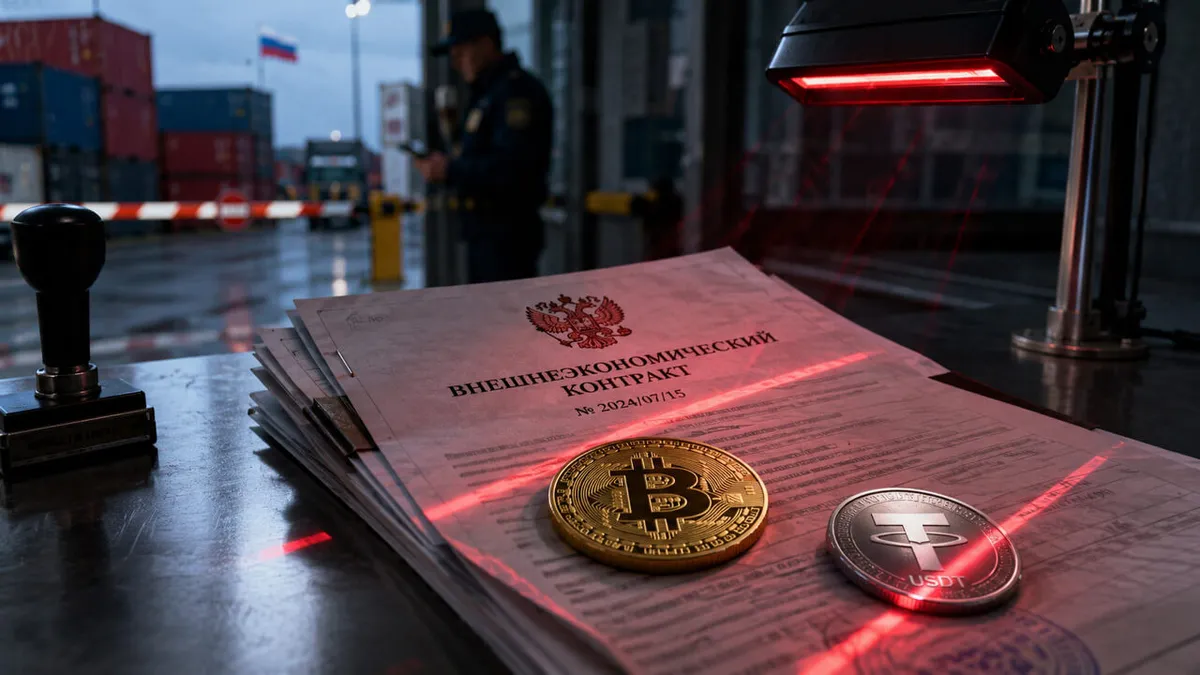
In a significant development, Russia has established a legal framework that creates a loophole for select firms to operate within the constraints of international sanctions. The newly introduced Electronic Ledger Register (ELR) allows these firms to engage in cryptocurrency transactions without breaching existing sanctions, thereby providing a lifeline for businesses that have been affected by stringent financial restrictions. However, while this move appears to open some doors, it is important to note that wallets, exchanges, counterparties, and issuers remain under heightened scrutiny and face considerable pressure, limiting their ability to fully capitalize on this new regulation.
This initiative is rooted in Russia's ongoing struggle with international sanctions imposed in response to geopolitical tensions, particularly following the conflict involving Ukraine. As these sanctions have increasingly targeted traditional banking channels, many Russian businesses have turned to cryptocurrency as an alternative means of transacting. The introduction of the ELR signals a strategic shift by the Russian government to formalize and regulate such activities, aiming to bolster the country's economy amidst ongoing isolation from global financial systems.
The implications of this regulatory shift are profound for the cryptocurrency market. On one hand, it could lead to a surge in legitimate crypto transactions within Russia, as companies seek to leverage this new legal framework. On the other hand, the stringent controls on cash-out routes suggest that the broader market may not experience the same level of enthusiasm. As firms navigate these constraints, it raises questions about the overall liquidity of Russian cryptocurrencies and their acceptance in international markets. The potential for increased regulatory scrutiny on cross-border transactions could further complicate matters.
Experts in the industry have expressed mixed reactions to this development. Some view the establishment of the ELR as a pragmatic move, allowing certain firms to operate more freely within a challenging economic landscape. Others, however, caution against the potential pitfalls of creating a bifurcated market where only select players benefit. The ongoing pressure on wallets and exchanges underscores concerns about compliance, as firms must navigate a complex web of regulations to avoid penalties. Overall, the sentiment reflects a cautious optimism tempered by an awareness of the challenges that lie ahead.
Looking forward, it remains to be seen how this legal framework will evolve and what impact it will have on the global cryptocurrency landscape. As Russia's regulatory environment continues to take shape, we anticipate further developments that may either tighten or loosen the reins on crypto activities. Additionally, how other nations respond to this shift will play a crucial role in shaping the future dynamics of the market. For now, businesses operating in this space must stay vigilant, adapting to regulatory changes while seeking opportunities to thrive in an increasingly complex environment.

CoinMagnetic Team
Crypto investors since 2017. We trade with our own money and test every exchange ourselves.
Updated: June 2026
From our insights:
Related news
SEC drops crypto cases to maintain credibility, says ex-acting chair

China investigates DeepSeek and Moonshot AI over Anthropic data leak claims

Kalshi case could clarify sports betting regulations if SCOTUS accepts it
Trump's July purchase of Strategy shares could be worth up to $100K

‘Not behind closed doors’: Senate Banking Democrats call for prediction markets hearing as GOP meets privately with Kalshi