Russia Charges Telegram's Pavel Durov With Aiding Terrorism
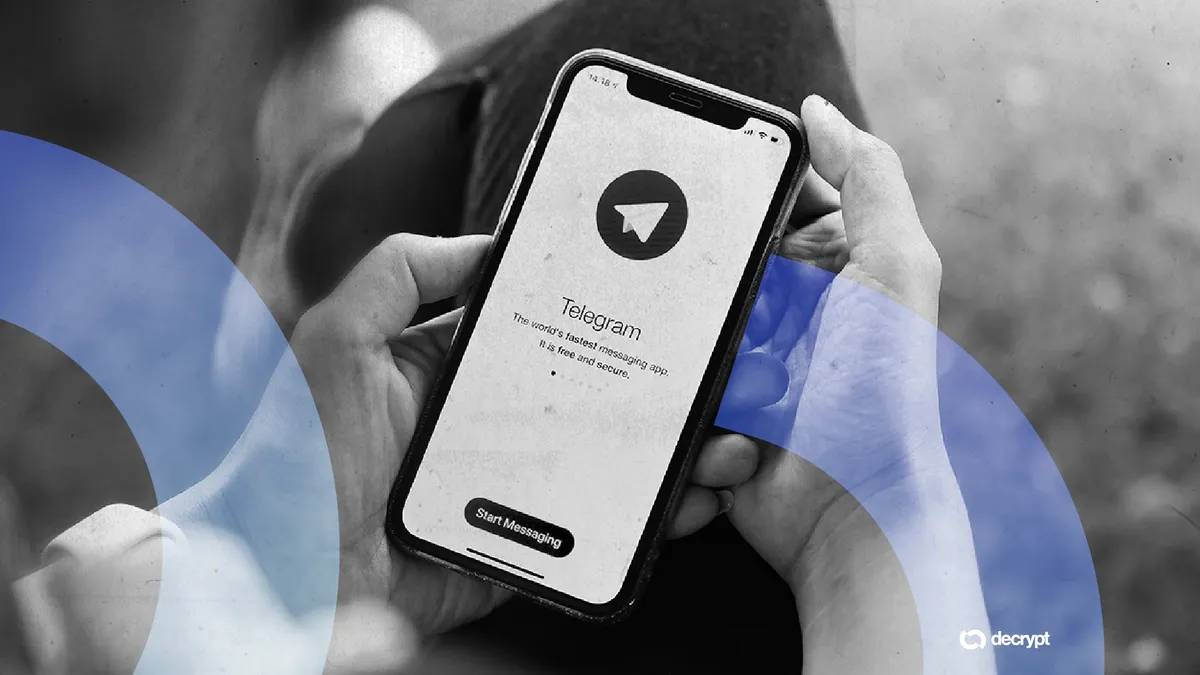
In a significant escalation of tensions between Russia and the tech industry, Pavel Durov, the founder of Telegram, has been charged with aiding terrorism. This move comes as part of a broader crackdown on dissent and digital platforms that the Russian government views as threats. Durov, who has positioned Telegram as a bastion for free speech and privacy, has vehemently denied the charges, characterizing them as politically motivated. He previously referred to the case against him as "a sad spectacle of a state afraid of its own people," underscoring his perspective on the Russian government's attempts to control online discourse.
The backdrop to these charges is a complex interplay of geopolitics and digital freedom. Telegram gained prominence during the Arab Spring and has been a favored platform for activists and dissidents worldwide, including in Russia. The Russian government has long sought to regulate and control online communication, particularly in the wake of protests and civil unrest. Durov's refusal to comply with demands to hand over user data has made him a target for authorities, further complicating his relationship with the Russian state. His commitment to privacy and free expression aligns poorly with the Kremlin's agenda, which has intensified since the onset of the Ukraine conflict.
The implications of these charges extend beyond Durov and Telegram; they reflect broader issues surrounding digital rights and government control in the cryptocurrency and tech industries. As governments worldwide grapple with regulating digital assets and platforms, cases like Durov's serve as a cautionary tale about the lengths to which regimes may go to stifle dissent. Investors and users are closely watching how this situation unfolds, as it could influence the operational environment for other tech companies operating in or engaging with Russian markets.
Reactions from the tech community have been swift, with many experts voicing concern over the implications of such charges for freedom of speech and innovation. Some view the government's actions as a direct attack on the principles of open communication that underpin the tech sector. Industry insiders believe this case could set a precedent for how governments interact with digital platforms, especially those that prioritize user privacy and autonomy. The situation has sparked discussions about the responsibilities of tech companies in authoritarian regimes, raising questions about their accountability and ethical obligations.
Looking ahead, the outcome of Durov's case could have far-reaching consequences not only for Telegram but also for the broader tech ecosystem in Russia and beyond. As Durov continues to fight these charges, the international community will be watching closely for any signs of retaliation or further repression from the Russian government. The situation serves as a reminder of the fragile nature of digital rights in the face of authoritarianism, and it may prompt other tech leaders to reassess their strategies for operating in similar environments. The unfolding developments are likely to be pivotal in shaping the future landscape of digital communication and governance.

CoinMagnetic Team
Crypto investors since 2017. We trade with our own money and test every exchange ourselves.
Updated: July 2026
From our insights:
Related news

SoFi discloses 503,000 crypto products as gross crypto revenue hits $162 million

BNY adds XRP and RLUSD to custody as ledger invoice pilots unfold

McDonald's McRib return sparks internet theories about bitcoin price pumps

Crypto Market Structure Explained

Surveillance system flags hundreds of alerts daily as Polymarket probes midterm bets