Russia Approves Trading of Bitcoin, Ethereum and USDT—But No XRP

In a significant development for the cryptocurrency landscape in Russia, the central bank has approved the trading of Bitcoin, Ethereum, and Tether (USDT) among retail investors. This decision comes after the central bank established a liquidity threshold that these cryptocurrencies successfully cleared, paving the way for their trading on domestic exchanges. However, not all cryptocurrencies made the cut, as Ripple's XRP was notably excluded from this list, leaving many in the industry curious about the reasons behind this decision.
The backdrop for this approval lies in Russia's evolving stance towards cryptocurrencies, which has fluctuated between caution and acceptance over the years. While the central bank has historically been wary of digital assets, citing concerns over financial stability and potential risks to investors, this recent move indicates a shift towards a more regulated and inclusive approach. The introduction of a liquidity bar for digital currencies suggests that the authorities are attempting to create a structured environment for crypto trading, balancing innovation with consumer protection.
This decision is expected to have a significant impact on the Russian crypto market. Allowing Bitcoin, Ethereum, and USDT trading could potentially lead to increased participation from retail investors, thereby enhancing the overall liquidity and market depth for these assets. Furthermore, this approval aligns with global trends where many countries are moving towards the regulation and acceptance of cryptocurrencies, which could encourage more robust trading activities in Russia.
Industry reactions have been mixed, with some experts welcoming the move as a positive step towards mainstream adoption of cryptocurrencies in Russia. However, the exclusion of XRP has raised eyebrows, with some analysts speculating that this could be a result of ongoing legal issues surrounding Ripple and its classification as a security in various jurisdictions. The decision has sparked discussions around regulatory consistency and the criteria used to evaluate cryptocurrencies for trading.
Looking ahead, it will be interesting to see how this regulatory framework evolves and whether other cryptocurrencies will eventually be allowed for retail trading. The future of XRP in the Russian market remains uncertain, and the overall sentiment among investors will likely depend on how the central bank continues to shape its policies regarding digital assets in the coming months.

CoinMagnetic Team
Crypto investors since 2017. We trade with our own money and test every exchange ourselves.
Updated: August 2026
From our insights:
Related news

Blockchain Association to see leadership change as Summer Mersinger steps down

New $500 per month ChatGPT Pro Max plan targets high-demand users

Daily dividend proposal could shift Bitcoin funding dynamics for investors

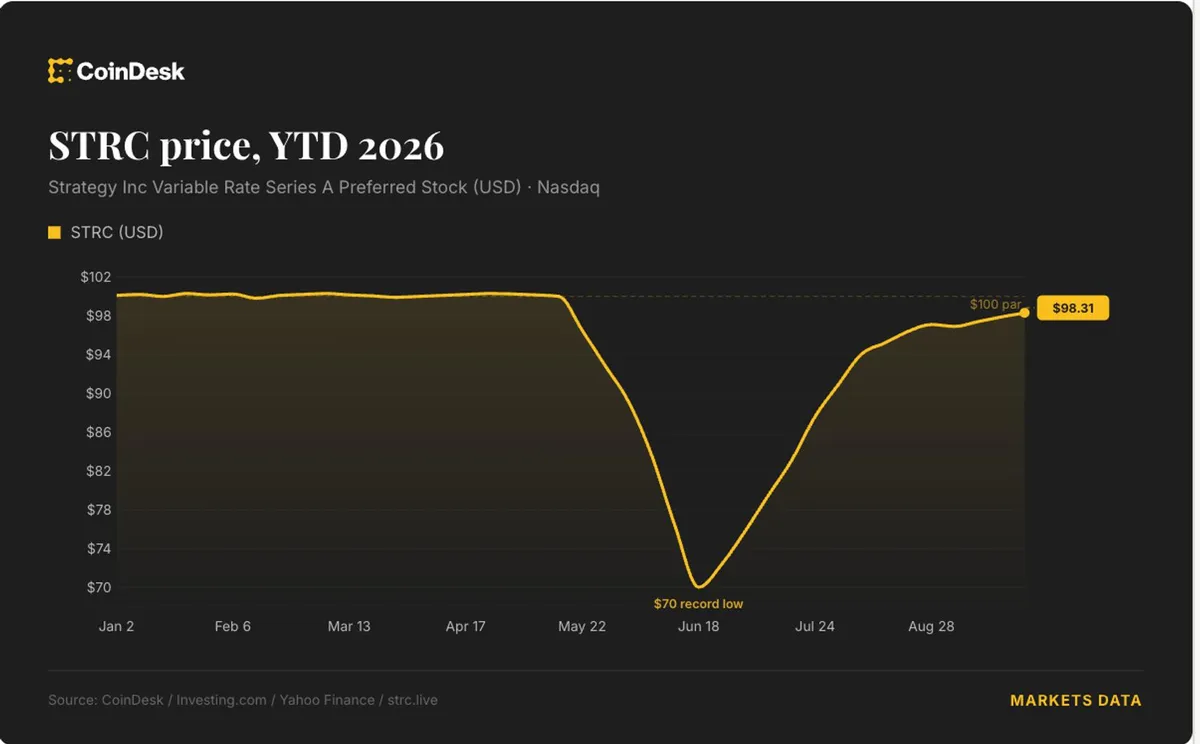
Strategy aims for daily dividends on STRC preferred stock, following Strive's lead
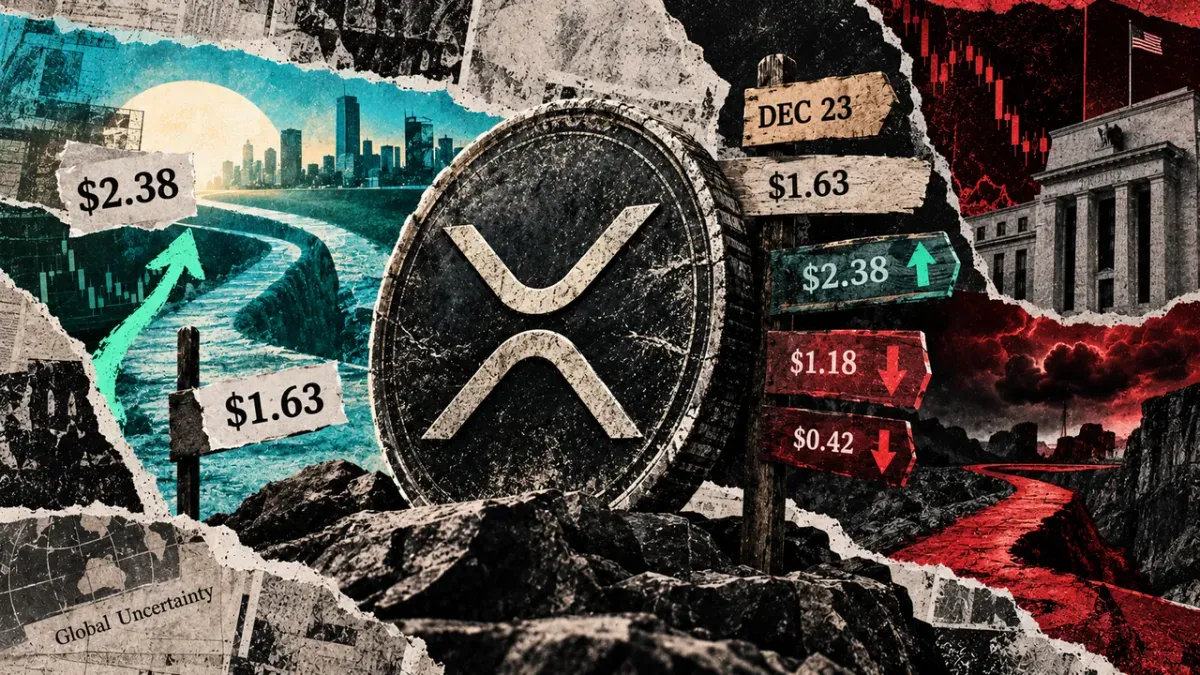
$2.38 XRP price target masks potential drop to $1.18, analysis shows