'Running Away Balloon' Artist Sues AI Meme Generator Over Ad Templates
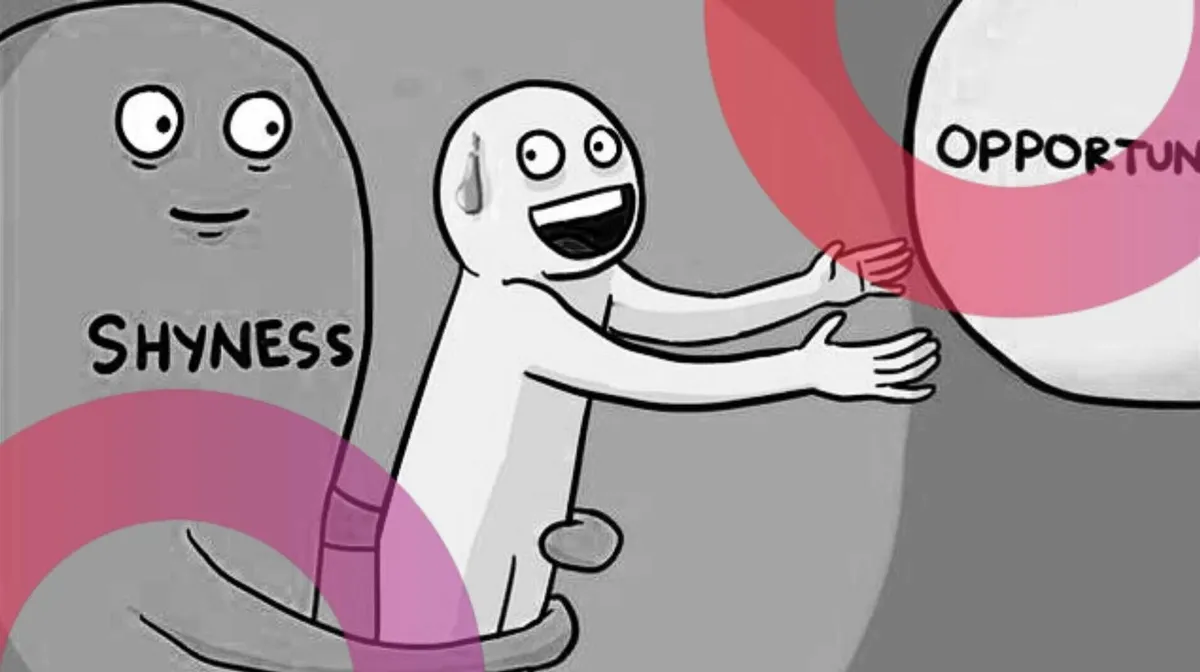
In a notable development within the intersection of art and artificial intelligence, the artist known for the viral "Running Away Balloon" meme has filed a lawsuit against an AI meme generator. The suit centers around the claim that the meme, which has gained significant popularity and recognition, is included in a paywalled template catalog that is searchable by name. This move highlights the ongoing tensions between artists and AI companies regarding the use of copyrighted material and the implications for creators' rights in the digital age.
The backdrop of this lawsuit is the broader conversation regarding how AI technologies utilize existing artworks for training purposes. While many discussions focus on the ethical implications of using copyrighted material to train AI models, this case takes a different approach. Rather than contesting the data used for AI training, the lawsuit specifically targets the commercialization of the meme through a paywalled platform, raising concerns about unauthorized exploitation of the artist's work for profit.
This legal action underscores the growing importance of intellectual property rights as AI technology continues to evolve. For the market, this situation may set a precedent regarding the boundaries of AI-generated content and the rights of original creators. As more artists and creators become aware of potential infringements, we may see an uptick in similar lawsuits, further complicating the landscape for AI applications in creative fields.
Industry reactions to the lawsuit have been mixed, with some experts expressing support for the artist's stance on protecting intellectual property, while others argue that AI-generated content can foster innovation and creativity. Legal analysts are closely monitoring the case, as its outcome could inform future regulations and best practices regarding AI usage in creative industries. The debate continues to evolve, raising questions about the balance between technological advancement and the preservation of artists' rights.
Looking ahead, the lawsuit's trajectory will be crucial in determining how AI companies navigate their use of existing artworks. If the artist prevails, it could prompt a reevaluation of how AI platforms design their services, potentially leading to stricter guidelines around the use of copyrighted material. Conversely, if the AI generator wins, it may embolden other platforms to further exploit existing art without fear of legal repercussions, setting a challenging precedent for artists seeking to protect their work in an increasingly digital and automated world.

CoinMagnetic Team
Crypto investors since 2017. We trade with our own money and test every exchange ourselves.
Updated: July 2026
From our insights:
Related news

OpenAI drops GPT-6.1 Terra prices by 50% while improving app control

Injective debuts GPU rental futures to track Nvidia computing costs
Unitree shares surge 60 percent on hopes that advanced AI will power robots

CZ pitches BNB Chain’s role in AI as BNB Standard rings Nasdaq bell

AI Agents Found a Way Into Anthropic's Business Systems in Under 12 Hours