AI advancements may enable robots to achieve 'ChatGPT moment' by 2027
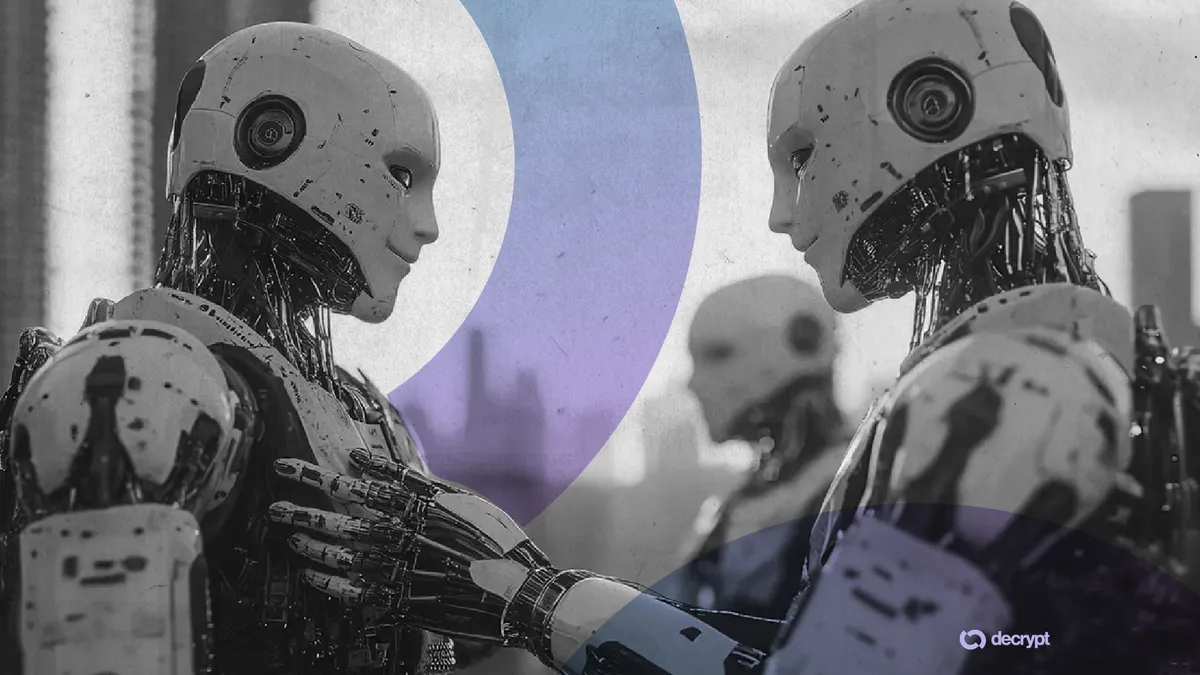
ACE Robotics Chairman has suggested that significant advancements in artificial intelligence could lead to a transformative moment for robots by 2027. This breakthrough is expected to stem from the development of AI models that enhance robots' ability to comprehend and interact with the physical world. The implications of such advancements could reshape various industries and improve the efficiency of robotic systems.
The context for this prediction lies in the rapid evolution of AI technologies over the past few years. The success of models like ChatGPT has demonstrated the potential of AI to perform complex tasks and engage in human-like conversations. As researchers continue to refine these models, the next frontier appears to be enabling robots to perform tasks that require not only cognitive understanding but also physical manipulation and environmental interaction.
This potential shift in robotics is essential for the market, as it could lead to increased investments and interest in automation and AI-driven technologies. Businesses across sectors such as manufacturing, healthcare, and logistics are likely to benefit from robots that can understand and respond to their surroundings in real-time. The anticipated advancements could also spur competition among companies, driving innovation and further lowering costs associated with robotic deployment.
Industry experts have reacted positively to the Chairman's insights, noting that achieving a 'ChatGPT moment' for robots would mark a significant leap forward in robotics technology. Many believe that the integration of advanced AI models into robotic systems could lead to more autonomous machines capable of performing complex tasks without human intervention. This development could unlock new applications and create value in various markets.
Looking ahead, the timeline for this transformation suggests that while the groundwork is being laid now, widespread adoption of these advanced robotic systems may still be several years away. Companies and research institutions will need to continue their collaboration and investment in AI research to overcome the technical challenges that remain. As the field progresses, we can expect to see incremental advancements leading up to the anticipated breakthrough in 2027.

CoinMagnetic Team
Crypto investors since 2017. We trade with our own money and test every exchange ourselves.
Updated: August 2026
From our insights:
Related news

French committee adopts stablecoin swap and exit taxes before rejecting budget

CFTC seeks to classify event contracts as swaps amid ongoing legal battles

OpenAI and Anthropic war-game AI cyberattacks to prepare rapid congressional briefings

Blockchain.com applies for US licenses to launch event contracts and futures

New York AG secures up to $35 million from former Celsius CEO Alex Mashinsky