Robinhood's tokenized stocks see $217 million in trading volume as memecoins surge
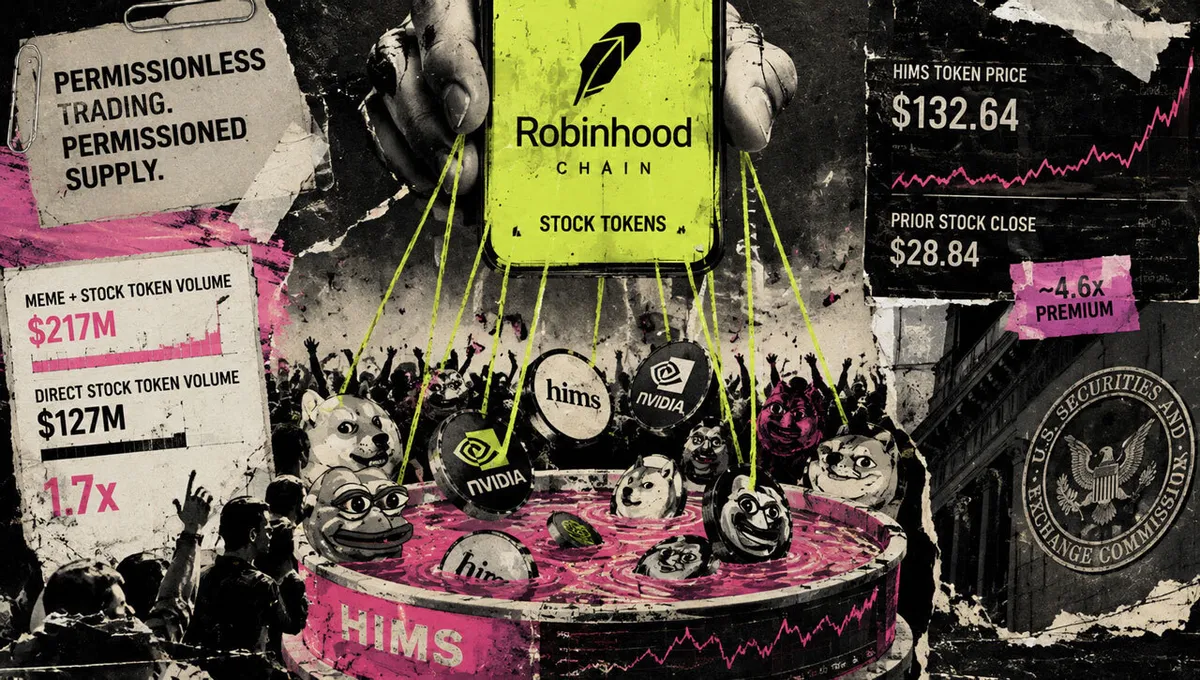
On September 2, Robinhood made a significant move by allowing trading of tokenized stocks on a permissionless blockchain, resulting in an impressive trading volume of $217 million. This volume was notably higher than the $127 million generated through direct stock token markets on the same day. The surge was largely driven by traders engaging with tokenized shares of companies like Nvidia and Hims & Hers, showing a clear interest in the intersection of traditional equities and the burgeoning world of cryptocurrency.
This development marks a pivotal moment for Robinhood, which has been at the forefront of democratizing trading. By integrating traditional stocks into a blockchain environment, Robinhood is not only expanding its product offerings but also catering to a growing demographic of traders who are increasingly interested in the advantages that blockchain technology can provide, such as transparency and reduced transaction costs. The move comes on the heels of a broader trend in which several platforms are venturing into the tokenization of assets, reflecting a shift in how markets may operate in the future.
The implications of this trading volume are significant for the market. With memecoins paired against traditional stocks gaining traction, it illustrates a shift in trading behavior and preferences among retail investors. This could signal a new era where crypto assets and traditional equities coexist more closely, potentially leading to increased liquidity and volatility in both markets. Furthermore, the preference for trading on a blockchain platform could encourage other trading platforms to reconsider their approaches to asset trading and integration.
Industry reactions have been mixed, with some experts praising the innovation while others express caution regarding potential risks involved. Analysts highlight the importance of regulatory frameworks as this new trading paradigm unfolds. Concerns surrounding market manipulation, especially with the involvement of memecoins, have been raised, prompting discussions about the need for safeguards to protect investors. Nevertheless, many view this as an exciting opportunity for innovation within the financial space.
Looking ahead, the success of Robinhood's initiative may pave the way for further developments in the tokenization of stocks and other financial products. As the market continues to adapt and evolve, it will be vital to monitor how regulatory bodies respond and how trading behaviors may shift in response to these new offerings. The coming months will likely reveal whether this experiment will lead to sustained interest or if it remains a temporary phenomenon.

CoinMagnetic Team
Crypto investors since 2017. We trade with our own money and test every exchange ourselves.
Updated: September 2026
From our insights:
Related news
VIX and bitcoin point to a quick recovery from Friday stock market panic

Attacker mints 10 million CYS before bridge suspension and Ethereum transfer

Allium reports stablecoin payments reached $482 billion this year amid 45% growth

Prediction market growth contrasts with poll showing opposition to election bets

Bitwise eyes $100,000 bitcoin finish while LO:TECH flags inflation risks