Robinhood cuts 10% of workforce as Tenev touts business strength

In a surprising move, Robinhood has announced a reduction of approximately 10% of its workforce, a decision that comes on the heels of CEO Vlad Tenev asserting that the company is currently in a robust position. Despite facing challenges in Q1 trading volumes, Tenev emphasized the resilience and strength of the business during a recent company briefing. This announcement has raised eyebrows across the industry, as layoffs typically signal financial distress, yet Tenev's comments suggest a more optimistic outlook for the company moving forward.
To understand the context of this decision, it is essential to look at Robinhood's recent performance and the broader market dynamics. The company has experienced fluctuations in user engagement and trading activity since its meteoric rise during the pandemic. As trading volumes have dipped and competition from other platforms intensifies, the decision to lay off staff may be seen as an attempt to streamline operations and reduce costs. However, Tenev's assertion that the company has never been stronger indicates that Robinhood is strategically positioning itself for future growth, perhaps by focusing on efficiency in the face of a challenging environment.
This development is significant for the market, particularly for investors and traders who closely monitor Robinhood's performance. The reduction in workforce could lead to a more focused and efficient operation, potentially enhancing profitability in the long term. However, it also raises questions about the sustainability of Robinhood's business model in an increasingly competitive landscape. If the company can successfully navigate these challenges while maintaining a strong user base, it could emerge as a more formidable player in the financial technology sector.
Industry reactions to the layoffs have been mixed. Some experts view the layoffs as a necessary step in adapting to the current market conditions, while others express concern about the implications for employee morale and company culture. Additionally, analysts are closely watching how these changes will affect Robinhood's customer service and user experience, which have been key differentiators in attracting new clients. The consensus seems to be that while the layoffs may be a tough pill to swallow, they could ultimately position the company for a more sustainable future.
Looking ahead, it will be crucial for Robinhood to demonstrate that its strategic decisions will yield positive results. Stakeholders will be keen to see how the company plans to leverage its strengths while managing the fallout from the layoffs. As the crypto and trading landscapes continue to evolve, Robinhood's ability to adapt and innovate will be closely scrutinized. The coming months will reveal whether the company's claims of strength are backed by substantial improvements in performance and user engagement.

CoinMagnetic Team
Crypto investors since 2017. We trade with our own money and test every exchange ourselves.
Updated: June 2026
From our insights:
Related news

Bitcoin's weekly close above $81,000 signals potential rise to $90,000

Elon Musk's X integrates bitcoin trading options for U.S. users
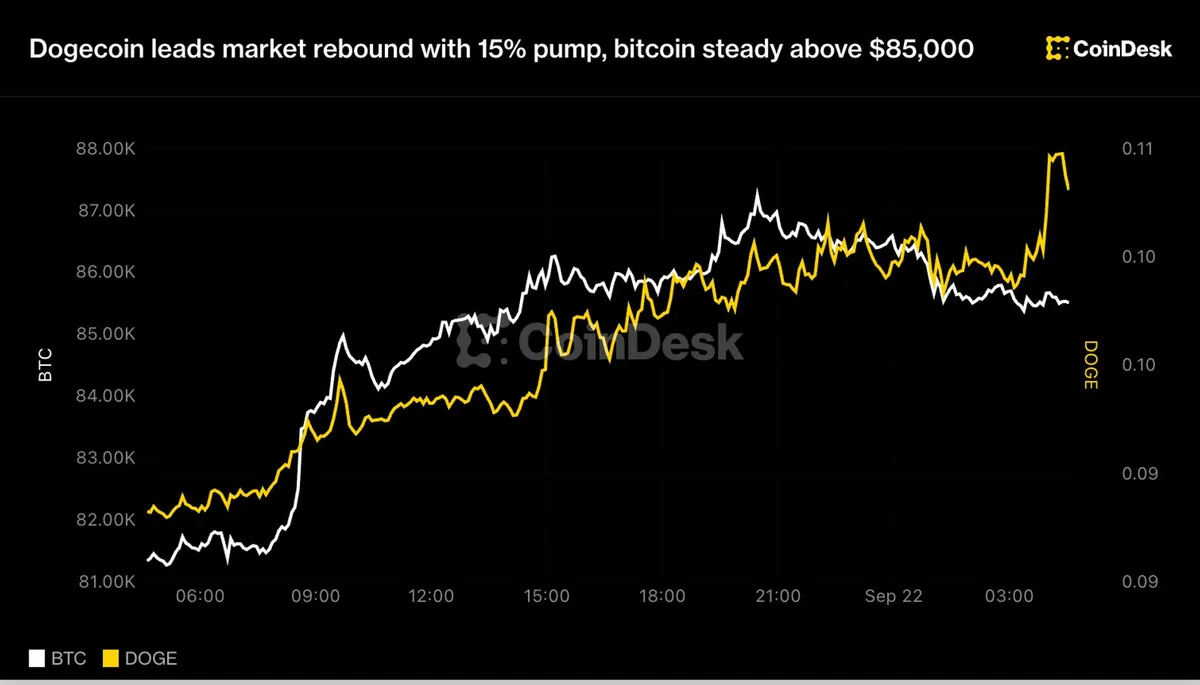
Dogecoin's 15% surge drives market recovery as bitcoin stabilizes above $85,000

Cardano adds tools for AI agent payments, joining Solana and XRP Ledger

Trueo prediction market moves from Base to Ethereum